Most homeowners do not realize that an offhand comment during an adjuster visit can make a roof claim harder than it needs to be. You call your insurer after a storm, someone shows up with a clipboard, and you try to be helpful. That instinct is good, but guessing out loud can blur the facts of your claim.
Roof insurance adjusters are trained professionals. Their job is to figure out what caused the damage and what your policy covers. That does not mean they are acting in bad faith. It just means you should walk into that meeting prepared, with clear facts and good documentation. One of the best ways to get there is a professional roof inspection before the adjuster arrives, so you know what is actually up there.
Whether you are dealing with wind damage, hail, or a fallen tree branch, this guide covers the common mistakes that trip up Pittsburgh homeowners and what you should do instead. One note before we start: we are a roofing contractor, not a public adjuster or an attorney. Your claim is between you and your insurance company. We can document the condition of your roof and write up the repair scope, and the decisions about your claim stay with you.
The Words That Can Quietly Hurt Your Claim
Language matters in an insurance setting. Casual conversation can be read as an admission of neglect or a willingness to accept a smaller repair than the roof needs. The fix is simple: be truthful, be specific, and do not guess.
Saying something like "I should have dealt with that sooner" is a guess about cause, not a fact. Insurers generally do not cover wear and tear, so an offhand remark like that can be taken as a statement that the damage came from neglect. Stick to what you actually know: when the storm happened, what you saw afterward, and when you first noticed a leak or missing shingles.
Downplaying the damage with phrases like "it is not that bad" or "maybe a small patch will do" can anchor the adjuster's view too low before anyone has looked closely. You are not a roofer, and you do not need to diagnose your own roof. Let the inspection findings and the photos speak for themselves.
What Do Insurance Adjusters Look for on Roofs?
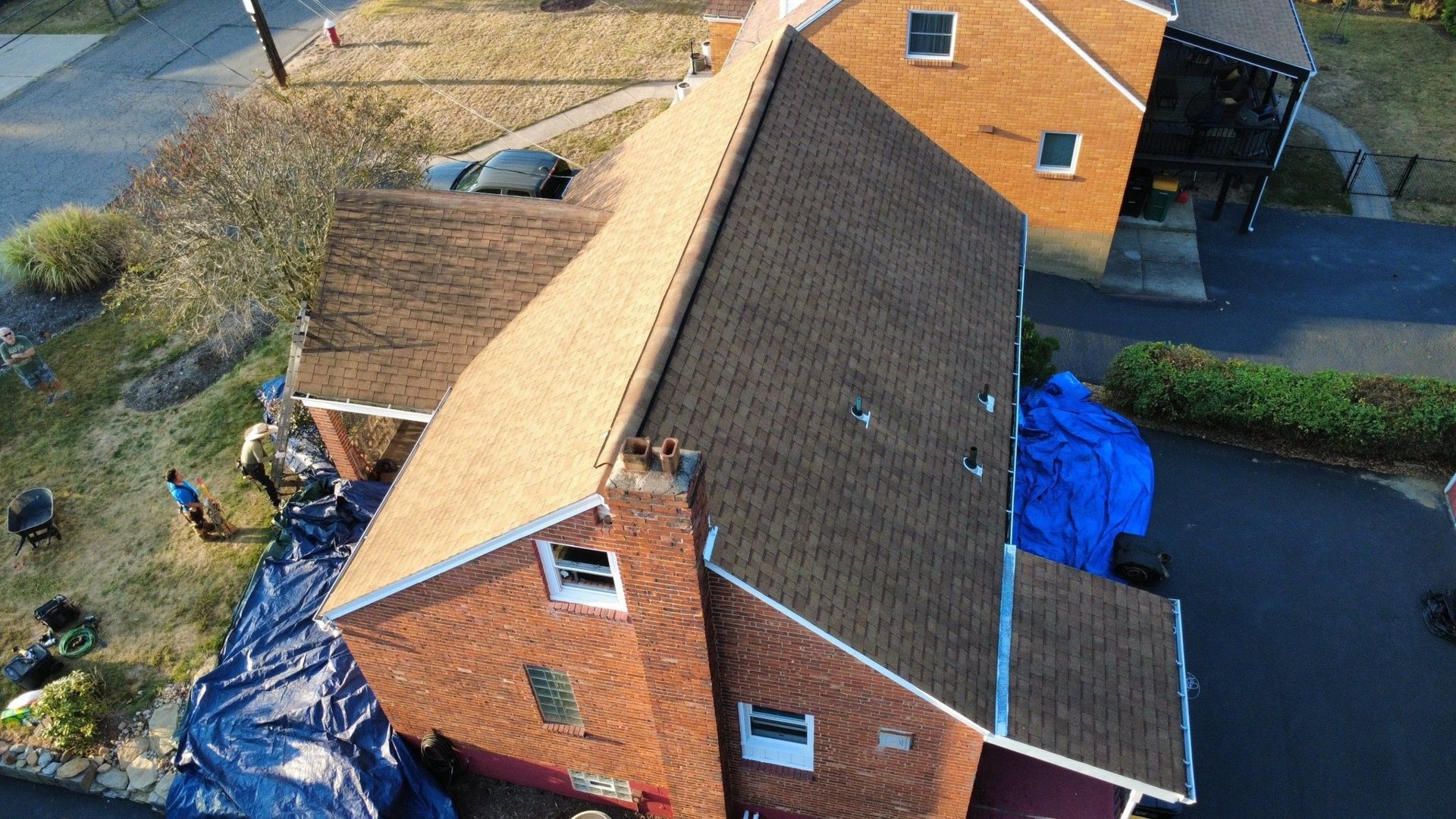
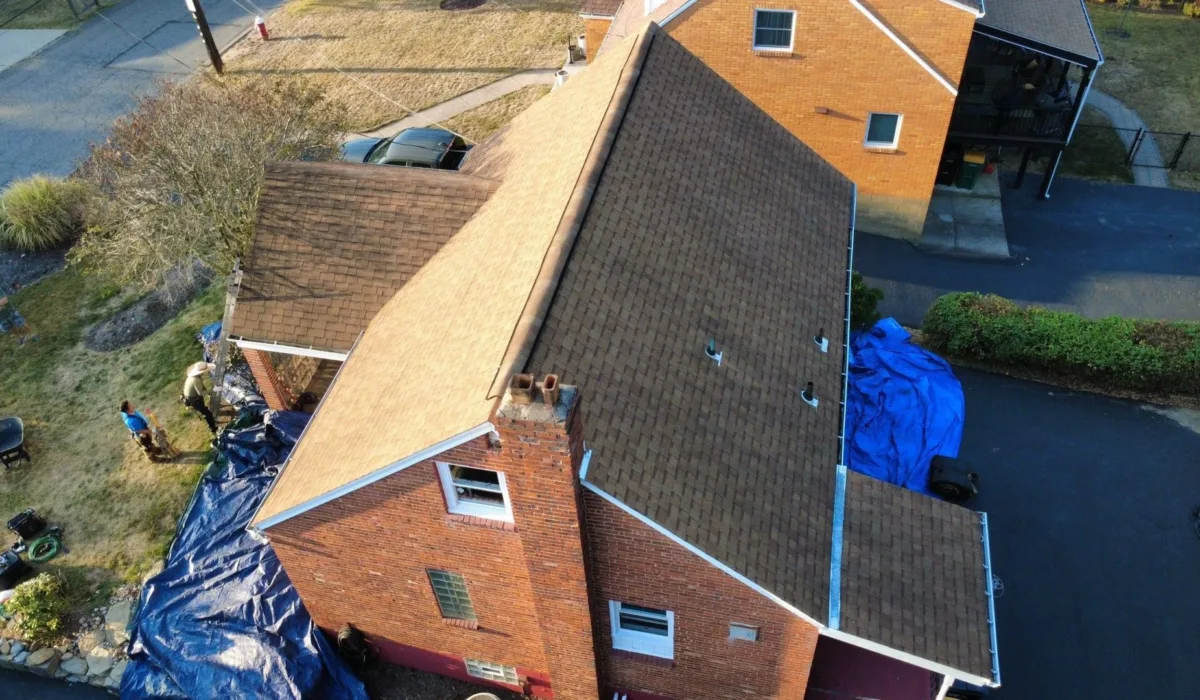
Adjusters look for signs that damage is storm related rather than the result of age or lack of upkeep. They examine granule loss on shingles, dents and bruising from hail, lifted or missing shingles from wind, damaged flashing, and any visible structural problem. They also look for older damage that predates the reported event.
Adjusters note the age of your roof and compare visible wear against what would be expected at that age. A roof that is fifteen years old and showing its age is different from a newer roof damaged by a recent hailstorm. Understanding that difference helps you describe your claim accurately, without overstating or underselling what happened.
If you know about an older issue, such as a repair from a few years ago, answer honestly if you are asked. Being accurate protects you. Overstating damage or hiding history can create far bigger problems than the original issue.
What Not to Say to an Insurance Adjuster About Your Roof During the Inspection
Here is a practical breakdown of common phrases, why they can cause trouble, and what to say or do instead:
| Phrase to Avoid | Why It Can Hurt | What to Do Instead |
|---|---|---|
| "I think that leak has been there a while." | A guess about timing can be read as older damage. | Share only what you know for sure, such as when you first saw it. |
| "It is probably just a small patch." | Anchors the scope too low before a full inspection. | Have the roof inspected and share the written findings. |
| "I am planning to do it myself." | Can shape how the repair is scoped and valued. | Say you are gathering written estimates. |
| "It is my fault for waiting." | A guess about cause that sounds like neglect. | Describe the event and what you observed, nothing more. |
| "Just cut me a check." | Skips the documentation that supports a fair outcome. | Ask for the adjuster's estimate in writing. |
These mistakes are easy to make when you are nervous or trying to seem cooperative. The goal is not to be uncooperative. It is to be honest, precise, and measured in everything you say.
What Are Common Reasons for Roof Claim Denials?
Denials often come down to a few recurring issues. The most common is a finding that the damage comes from age or deferred upkeep rather than a covered weather event. If shingles were already cracked, curling, or missing granules before the storm, an insurer may decide the roof was already compromised.
Another frequent problem is a lack of documentation. Without photos taken soon after the event, it is hard to show timing. Take clear, dated photos from the ground, of any interior water stains, and of debris in the yard or gutters. Do not climb onto the roof yourself, especially when it is wet or damaged.
Filing delays can also create problems. Most policies require prompt notice after a loss. Waiting weeks or months makes it harder to connect the damage to a specific storm. Report quickly, document thoroughly, and read the notice and deadline language in your own policy.
How a Roof Inspection Helps Before the Adjuster Visit

You do not need to feel powerless in the claims process. Homeowners who arrive with organized information tend to have clearer conversations with their adjuster. A detailed inspection from a licensed local contractor gives you a factual record of the roof's condition: photos, the areas affected, and a written repair scope.
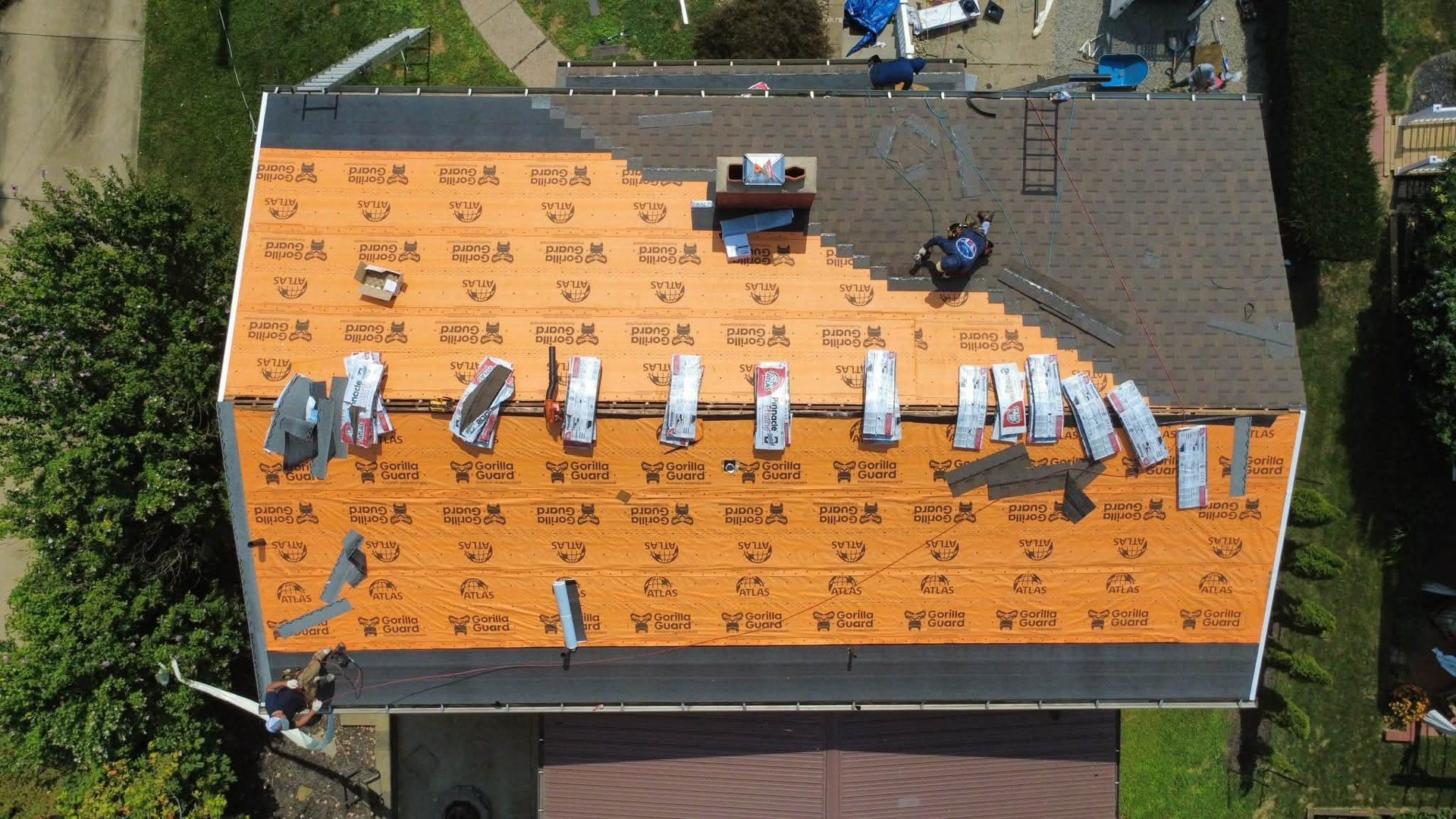
When we inspect a roof after a storm, we look at shingles, flashing, vents, pipe boots, and gutters, and we photograph what we find. You get those findings to use however you choose. You can share them with your insurer, compare them with the adjuster's estimate, or simply use them to understand your roof. We do not negotiate claims, we do not speak for you with your insurance company, and we do not tell you what your policy covers. That is between you and your insurer.
Keep your claim file organized: dated photos, a short written timeline, copies of every letter and email, and the names of everyone you speak with. As the Insurance Information Institute explains, keeping a detailed record from the beginning helps if questions come up later.
Pittsburgh Weather and Roof Claims
Western Pennsylvania roofs take a beating from summer thunderstorms, strong wind gusts, occasional hail, heavy wet snow, and repeated freeze and thaw cycles. Many homes in the North Hills, the South Hills, and the older city neighborhoods have steep roofs, mature trees close to the house, and roofs that have been patched more than once over the years. That mix is exactly why adjusters look so closely at age and prior repairs, and why an accurate, honest record of your roof matters.
If Your Claim Is Denied or the Estimate Seems Low
If your claim is denied or the offer seems too low, start by reading the denial letter or estimate carefully. It should explain which policy provision is being cited or how the repair was scoped. Understanding that tells you what information might help.
You can ask your insurer about a re-inspection and share any written inspection report and photos you have. Many policies also describe an appraisal process for disputes over the amount of a loss. Those are steps you take with your insurance company, and if you need advice about your rights, a licensed public adjuster or an attorney is the right person to ask, not a roofing company. For more on the Pennsylvania side of the process, read our guide to navigating roof insurance claims in Pennsylvania.
Frequently Asked Questions
Should I get my roof inspected before the adjuster comes?
It often helps. An independent inspection tells you what is damaged and gives you photos and a written scope. What you do with that information, and how you handle your claim, is up to you.
Can Malick Brothers talk to my insurance company for me?
No. We are a roofing contractor, not a public adjuster. Your claim stays between you and your insurer. We can provide inspection findings, photos, and a written estimate for the repair or replacement work.
Should I mention old repairs if the adjuster asks?
Yes. Always answer honestly. The point of this guide is to avoid guessing and speculating, not to leave anything out.
Is it safe to go on my roof to take photos?
We do not recommend it. Take photos from the ground and from inside the house, and leave roof access to a professional with the right safety equipment.
What Not to Say to an Insurance Adjuster About Your Roof: A Final Word
The most useful thing you can do before an adjuster arrives is learn the real condition of your roof. Take your own photos, keep a timeline, and consider an independent inspection from a licensed local roofer. When the adjuster is on site, keep answers short, truthful, and limited to what you actually know about the event and the damage.
Do not speculate about cause, do not downplay damage, and do not exaggerate it. Following these tips will not guarantee any particular outcome, but it gives you a clear, factual foundation. The adjuster is doing their job. Make sure you are prepared to do yours.
Family owned Malick Brothers Exteriors is based at 500 Perry Highway in West View, is BBB A+ accredited, and is licensed under PA HIC PA174918. If a storm has you worried about your roof, contact us to schedule an inspection and a free written estimate for any repair work.