Why Winter Roof Prep Matters in Pittsburgh
Western Pennsylvania sees snowstorms, freezing rain, and rapid temperature swings. When you own or manage a building here, winter weather becomes a true test of your roof. Neglecting seasonal maintenance allows heavy snow to accumulate and form ice dams, increases the odds of cracked shingles or membranes, and puts gutters under extreme strain. Early winter roof prep helps prevent costly repairs, extend your roof’s lifespan, and protect your property’s energy efficiency.
Understanding Pittsburgh’s Winter Challenges
Pittsburgh’s climate is unpredictable. One week it’s 50 degrees and rainy, and the next it’s in the teens with snow and ice. This constant freeze-thaw cycle expands small cracks into larger leaks and creates weak points across roofing membranes. Commercial and residential roofs alike are vulnerable. For business owners, even one leak can interrupt operations or damage inventory, which is why Pittsburgh commercial roof maintenance should begin before the first snow falls.
Schedule a Professional Roof Inspection
The foundation of any cold weather roof care plan starts with a professional inspection. An expert will look for missing or damaged shingles, weak flashing, clogged drains, and early signs of ponding or membrane blistering. These small problems often go unnoticed until they turn into leaks. In Pittsburgh, inspections should be performed twice a year—once in the fall before freezing temperatures arrive and again in the spring after thaw.
Clean Gutters, Drains, and Scuppers
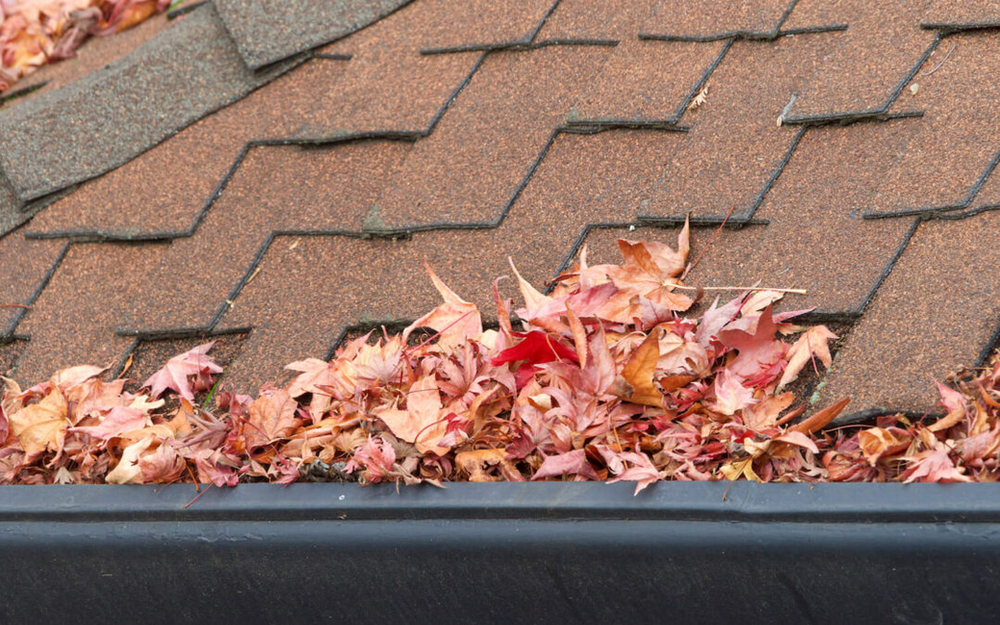
Gutters full of leaves and debris can cause ice dams that lift shingles and allow water to seep into your roof deck. Before winter hits, make sure all drainage points are clear and downspouts direct water away from your foundation. Overflowing gutters are a clear red flag that water isn’t moving properly. Routine gutter cleaning is one of the simplest yet most important steps in Pittsburgh commercial roof maintenance.
Inspect Flashing, Pipe Boots, and Penetrations
Flashing and pipe boots seal the areas around vents, skylights, and HVAC systems. Over time, temperature fluctuations cause these materials to shrink, crack, or pull away. Resealing and reinforcing these vulnerable points can prevent leaks before they start. Have a qualified roofing professional replace old caulking and check for rust or gaps that allow moisture to enter.
Evaluate Ventilation and Insulation
Proper ventilation prevents warm indoor air from melting snow unevenly on the roof’s surface. This melting and refreezing process forms destructive ice dams. A well-insulated attic also helps stabilize temperatures, keeping heat inside while lowering energy costs. Inspect soffit vents and ridge vents for blockages, and ensure attic insulation meets current energy standards. For additional insights, refer to How to Prepare Your Roof for Winter in Pittsburgh.
Trim Surrounding Trees
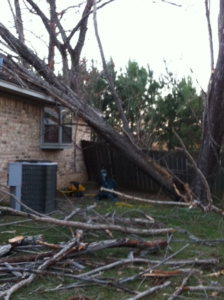
Tree limbs may appear harmless now, but when they’re coated in snow or ice, they can snap and puncture roofing materials. Trim branches that hang over the building or are within striking distance of your roof. Keeping the perimeter clear not only reduces the chance of impact damage but also helps minimize gutter clogging.
Repair or Replace Damaged Roofing Materials
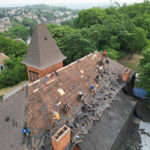
Even a single missing shingle can allow water intrusion. For flat or low-slope commercial roofs, cracks in EPDM or seams in TPO membranes can quickly worsen in cold temperatures. Schedule spot repairs in the fall to address damage before snow covers your roof. Timely maintenance saves you from emergency calls later in the season.
Understand Roofing Material Performance in Cold Weather
| Material | Cold Weather Rating | Typical Lifespan | Notes |
|---|---|---|---|
| EPDM | Excellent | Up to 30 years | Flexible in freezing temps, easy maintenance |
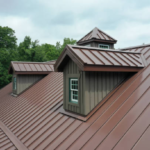
| Metal (Standing Seam) | Excellent | 40+ years | Sheds snow quickly, energy efficient |
| Asphalt Shingles | Good | 20–25 years | Affordable, but prone to ice dams if attic ventilation is poor |
Knowing how each material behaves in winter helps you make informed maintenance and replacement decisions. EPDM and metal roofing systems remain the most reliable choices for long-term durability in Western Pennsylvania’s extreme conditions.
Plan for Budget and Permits
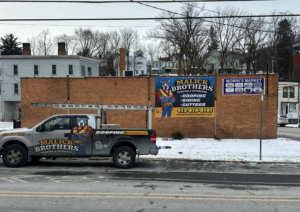
Preventive commercial roof repairs usually cost between $750 and $1,200, depending on scope and material type. That’s a small investment compared to a midwinter leak that can cause thousands in damage. Pittsburgh may require permits for structural work, so check city codes before starting major repairs. Trusted roofing companies like Malick Brothers Exteriors can guide you through this process and handle inspections for compliance.
Develop an Emergency Response Plan
No matter how well-prepared you are, unexpected issues can still occur. Have an emergency contact ready for snow removal, leak containment, or temporary tarping. Keep documentation of roof conditions before and after major storms for insurance purposes. Having a clear action plan helps minimize damage and ensures a faster response during severe weather.
Stay Proactive Through the Season
Winter roof prep doesn’t end once the first snow falls. After every major storm, visually check your roof from the ground or schedule a maintenance visit. Look for sagging gutters, ceiling stains, or unusual drafts that could indicate hidden leaks. Staying proactive with cold weather roof care will keep your business dry and your structure sound all winter long.
Final Thoughts
The best defense against winter roofing issues in Pittsburgh is preparation. Clean drainage systems, proper insulation, routine inspections, and timely repairs all work together to safeguard your investment. Business owners who take action before the first freeze can avoid emergency calls, downtime, and expensive interior damage. Winter will test every roof, but with consistent Pittsburgh commercial roof maintenance, you’ll be ready for whatever the season brings.