
Table of Contents
A roof problem rarely announces itself at a convenient time. You might wake up to water stains on your ceiling, notice missing shingles after a storm, or discover damage during a routine inspection. Whatever the scenario, immediate replacement isn’t always possible. Budget constraints, scheduling conflicts, or insurance delays can force you into a holding pattern.
The good news? You have options. With the right roof maintenance solutions, you can protect your home and buy yourself valuable time before a full replacement becomes necessary.
What to Do While Waiting for Roof Repair?
The waiting period between discovering roof damage and getting it fixed can feel agonizing. Every rainstorm becomes a source of anxiety. But this time doesn’t have to be wasted.
Start with containment. Place buckets under active leaks, move furniture away from affected areas, and consider using plastic sheeting to protect valuables. If you notice a bulging ceiling, poke a small drainage hole to release pooled water before it collapses. These simple steps prevent secondary damage while you wait for temporary roof repair professionals to arrive.
Immediate Containment Strategies That Actually Work
When your roof is compromised, every hour counts. Water infiltration can lead to mold growth within 24 to 48 hours, so speed matters more than perfection at this stage.
Tarping Your Roof Safely
Heavy-duty tarps offer the most effective short-term protection for large damaged areas. Secure them with sandbags rather than nails when possible. Nailing into already damaged decking can create additional entry points for water. Extend the tarp at least four feet past the damaged area on all sides to ensure adequate coverage.
Sealing Small Leaks and Cracks
Roofing sealant, caulk, and emergency repair tape work well for minor cracks and punctures. Focus on areas around roof penetrations like vents, skylights, and chimneys. These junctions are common failure points. A tube of quality roofing sealant costs under twenty dollars and can prevent thousands in water damage.
Can You Repair a Roof Instead of Replacing It?
This question deserves an honest answer. Sometimes, yes. If damage is localized and your roof has significant life remaining, targeted repairs make financial sense. Patching a few missing shingles or resealing flashing around a chimney doesn’t require a full tear-off.
However, repairs become a losing proposition when your roof is near the end of its lifespan or when structural damage has occurred. Multiple repairs over time can actually exceed the cost of replacement. A professional inspection will clarify which path makes sense for your situation. For more details on common roofing questions, visit our Frequently Asked Questions About Our Roofing and Exterior Services page.
Mid-Term Stabilization: How to Address a Roof Problem for the Long Haul
Once you’ve contained immediate damage, it’s time to think about stabilization. These solutions can extend your timeline from weeks to months or even years, depending on your roof’s overall condition.
Patching and Replacing Damaged Shingles
Missing or cracked shingles leave your underlayment exposed to the elements. Replacing them promptly maintains your roof’s protective envelope. Match new shingles as closely as possible to existing ones. This is one area where DIY can work if you’re comfortable on a ladder, though many prefer leaving it to professionals.
The Power of Commercial Roof Coatings
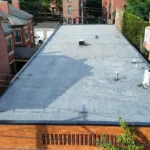
For flat or low-slope roofs, commercial roof coatings offer remarkable protection. These specialized membranes create a waterproof barrier that can add years to a roof’s functional life. They’re particularly valuable for commercial properties where replacement costs run into six figures. Coatings also reflect sunlight, reducing cooling costs during summer months.
Improving Attic Ventilation
Poor ventilation accelerates roof deterioration from the inside out. Heat and moisture build up in your attic, causing shingles to deteriorate prematurely and encouraging mold growth. Proper intake and exhaust ventilation can extend roof life significantly. It’s one of the most overlooked aspects of roof health.
Can an Insurance Company Force You to Get a New Roof?
Insurance companies cannot literally force you to replace your roof. However, they can make things uncomfortable. Many policies reduce coverage or increase premiums for roofs beyond a certain age. Some insurers won’t renew policies at all if your roof exceeds fifteen or twenty years.
If storm damage triggers a claim, your insurer may require replacement as a condition of continued coverage. According to Progressive, homeowners should review policy details carefully to understand coverage limitations related to roof age and condition. Understanding your policy before damage occurs puts you in a stronger negotiating position.
What Not to Say to Insurance Adjuster Roof Claims
When an adjuster arrives, your words matter. Avoid speculation about what caused the damage or when it occurred if you’re uncertain. Statements like “I think it happened during that storm last month” can backfire if evidence suggests otherwise.
Never downplay the damage or suggest you can “make do” with repairs. Adjusters are trained to minimize payouts, and casual comments can justify lower settlements. Stick to documented facts and let the damage speak for itself.
Documentation Essentials for Insurance Claims
Thorough documentation separates successful claims from disputed ones. Start photographing immediately after you notice damage, even before contacting your insurer. The following checklist ensures you capture everything adjusters need to process your claim.
| Documentation Type | What to Capture |
|---|---|
| Wide exterior shots | Full roof from all angles showing overall damage scope |
| Close-up damage photos | Missing shingles, holes, punctures, exposed decking |
| Interior evidence | Water stains, attic leaks, ceiling damage |
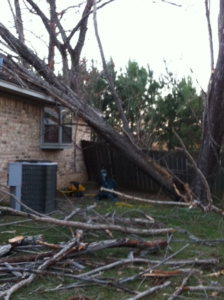
| Cause indicators | Fallen branches, hail, storm debris near home |
| Temporary repairs | Photos of tarps, patches, and protective measures taken |
Why Professional Inspection Matters When Replacement Isn’t an Immediate Option
I’ve seen homeowners attempt DIY repairs only to make problems worse. A professional inspection reveals hidden damage invisible from ground level. Soft spots in decking, compromised underlayment, and flashing failures often go unnoticed until they cause major leaks. Roofers also provide detailed reports for insurance purposes that carry weight with adjusters.
A Critical Safety Warning About DIY Roof Work
This needs to be said plainly. Storm-damaged roofs are dangerous. Wet surfaces, weakened structures, and hidden hazards create conditions where falls and injuries happen. Every year, thousands of homeowners are injured attempting repairs they should have left to professionals.
If you must inspect damage yourself, never go onto the roof. Use binoculars from ground level or photograph with a long lens. The temporary savings from DIY aren’t worth a trip to the emergency room.
Planning for Eventual Replacement
Even with excellent temporary repairs, every roof has an expiration date. Use this time wisely. Get multiple quotes, research materials, and explore financing if budget is a concern.
Many homeowners are surprised to learn that quality roof maintenance solutions can defer replacement by several years. Annual inspections, prompt repairs of minor issues, and proactive maintenance extend the functional life of most roofing systems. Think of it as preventive medicine for your home.
Taking Action Today
A roof problem doesn’t have to become a roof crisis. The strategies outlined here can stabilize your situation and protect your home while you arrange for permanent solutions. Contain the damage, document everything, and get professional guidance. Remember that temporary fixes buy you time, not absolution from the underlying problem. Use that time to plan carefully. Your roof deserves thoughtful attention, not panicked reactions.