When it comes to protecting your investment, few things matter more than the roof over your commercial building. A leaking roof can disrupt operations, damage inventory, and lead to costly repairs that eat into your bottom line. The good news is that modern leak-resistant roofing systems have come a long way. Choosing the right material from the start can save you years of headaches.
Not all roofing systems are created equal when it comes to keeping water out. Some materials naturally shed moisture better than others. Installation quality plays a massive role too. In this guide, we will walk through the top options for watertight roofing systems and help you understand which one makes the most sense for your building.
What Type of Roof Leaks the Least?
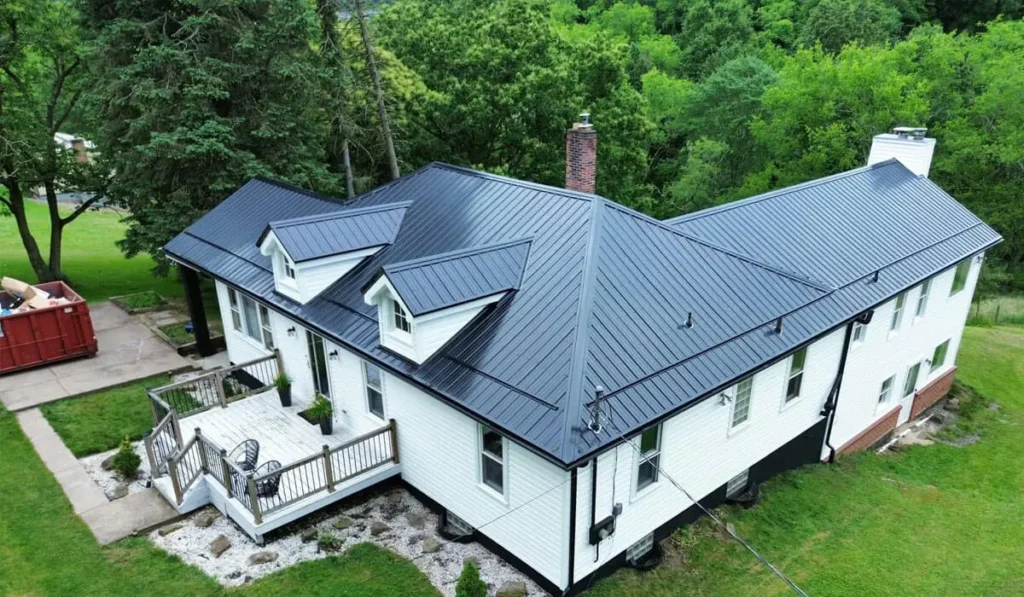
If we are being direct, metal roofing consistently ranks as the least likely to leak over the long term. Standing seam metal roofs feature concealed fasteners and interlocking panels that naturally channel water away from vulnerable points. When properly installed, these systems can last 50 years or more with minimal maintenance.
That said, single-ply membranes like PVC and TPO are close contenders. Their heat-welded seams create a continuous waterproof barrier across the entire roof surface. The key difference comes down to your building's specific needs, climate, and budget.
Top 5 Leak-Resistant Commercial Roofing Options
Let us break down the most reliable choices for roof leak prevention on commercial properties.
Metal Roofing
Standing seam metal roofs offer exceptional durability and water-shedding capability. The panels interlock tightly, and fasteners remain hidden beneath the surface. This design eliminates the exposed screw holes that often become leak points on cheaper metal systems. Metal roofing works best on steep-slope applications where water runs off quickly.
PVC Single-Ply Membranes
PVC roofing has earned a strong reputation in the commercial sector. The heat-welded seams actually become stronger than the membrane itself. This makes PVC an excellent choice for restaurants, manufacturing facilities, or any building exposed to grease, chemicals, or harsh conditions.
TPO Single-Ply Membranes
TPO offers similar benefits to PVC at a slightly lower price point. It reflects UV rays effectively and provides solid energy efficiency. However, quality varies between manufacturers, so working with an experienced contractor matters here.
Liquid-Applied Membranes
These coatings create a seamless, monolithic surface with zero seam vulnerabilities. They conform perfectly to irregular roof shapes and penetrations. For existing roofs that need restoration, liquid-applied systems can extend service life significantly.
Built-Up Roofing (BUR)
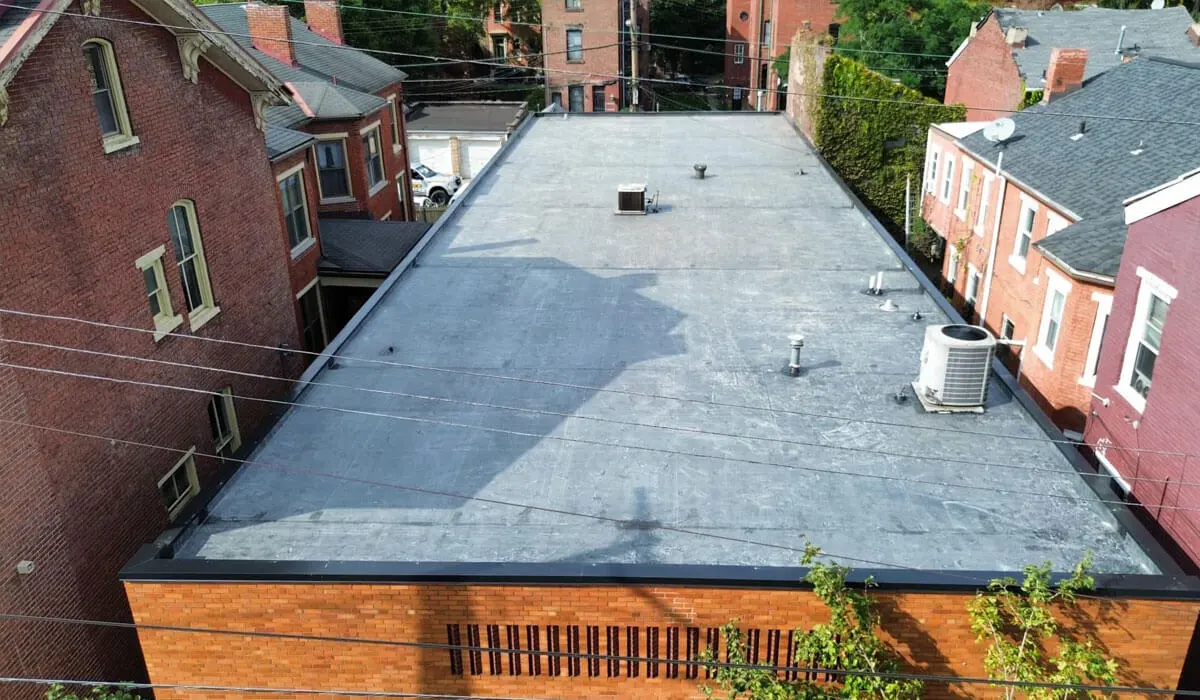
The traditional tar and gravel approach still holds its own. Multiple layers of asphalt and reinforcement create a robust, waterproof assembly. BUR systems have proven themselves over decades of use on commercial flat roof design applications.
What Is the Best Roof for a Commercial Building?
There is no single best answer here because every building has different requirements. A warehouse with rooftop HVAC equipment needs something different than a retail strip mall. Your local climate, building use, and maintenance capacity all factor into the decision.
For buildings in moderate climates with flat or low-slope construction, TPO and PVC remain popular choices. They balance cost, performance, and longevity well. For steep-slope applications or buildings where aesthetics matter, standing seam metal often wins out. If you want a deeper dive into matching systems to building types, check out What Commercial Roofing Type Is Best? (Choosing the Right System for Your Property).
What Is Better, TPO or EPDM?
This comparison comes up constantly in commercial roofing discussions. Both are single-ply membranes, but they differ in important ways.
TPO seams are heat-welded, creating a fused bond that resists separation. EPDM seams rely on adhesive tape or glue, which can degrade over time. From a leak-resistance standpoint, TPO generally offers better long-term seam integrity.
EPDM does have advantages in flexibility and proven track record. It has been around longer than TPO, and high-quality EPDM installations can last 30 years or more. However, if roof leak prevention is your primary concern, TPO's welded seams give it an edge.
What Type of Roof Is Best for Heavy Rain?
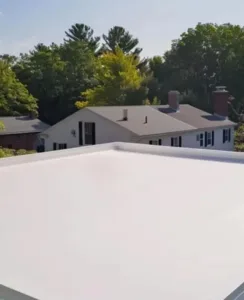
Buildings in high-rainfall areas need roofing systems that handle constant moisture without failing. Steep-slope metal roofing excels here because water simply cannot pool. The steep angle combined with slick metal panels moves water off the roof immediately.
For flat or low-slope buildings, proper drainage design becomes critical. TPO and PVC membranes perform well in rainy climates when installed with adequate slope to drains. According to the National Roofing Contractors Association, most roofing failures stem from ponding water rather than material defects. Ensuring positive drainage is just as important as material selection.
Comparison of Leak-Resistant Roofing Systems
| Roofing Type | Lifespan | Seam Type | Best For | Relative Cost |
|---|---|---|---|---|
| Standing Seam Metal | 50+ years | Interlocking panels | Steep slopes, high visibility | Higher |
| PVC | 20-30 years | Heat-welded | Chemical exposure, restaurants | Moderate-High |
| TPO | 15-25 years | Heat-welded | Energy efficiency, budget-conscious | Moderate |
| Liquid-Applied | 10-20 years | Seamless | Restoration, irregular shapes | Varies |
| BUR | 20-30 years | Multi-layer | Heavy foot traffic, durability | Moderate-High |
Key Factors That Prevent Leaks on Any Roof
Even the best watertight roofing systems will fail without proper installation and care. Here are the factors that matter most.
Installation Quality
The skill of your roofing contractor determines everything. Seams, flashings, and penetrations are where most leaks originate. A quality installer pays close attention to these details and follows manufacturer specifications precisely.
Regular Maintenance
Small problems become big problems fast on commercial roofs. A cracked sealant joint or lifted flashing can let water into the building for months before anyone notices. Schedule inspections at least twice per year.
Proper Drainage
Water that sits on a roof will eventually find a way inside. Tapered insulation, internal drains, and scuppers all help move water off the surface. Your commercial flat roof design should prioritize positive slope.
Making the Right Choice for Your Building

Selecting a roof based purely on leak resistance misses the bigger picture. You need to consider longevity, maintenance requirements, energy efficiency, and total cost of ownership. A cheaper system that requires constant repairs will cost more over time than a premium installation.
Work with a contractor who understands your building's specific demands. Get multiple opinions if needed. The right leak-resistant roofing system installed correctly will protect your property for decades.