
Table of Contents
Commercial property owners often face a significant decision when it comes to selecting a roof. The reality is that there is no universal answer to what the best commercial roof truly is. Every building has unique demands based on its structure, location, climate, and intended use. What works perfectly for an industrial warehouse in Phoenix may not suit a retail center in Seattle.
This guide breaks down everything you need to know about commercial roofing systems. We will explore flat and low-slope options, steep-slope materials, and the key factors that should drive your decision. By the end, you will have the knowledge necessary to make a confident, well-informed investment.
Understanding Commercial Roof Construction Types
Before diving into specific materials, it helps to understand the three main construction categories. Flat roofs are the most common in commercial settings because they allow engineers and architects maximum flexibility. They accommodate rooftop HVAC units, satellite systems, and other equipment when ground space is limited. However, flat roofs require proper insulation sloping to prevent water ponding.
Low-slope roofs have a gentle pitch that naturally drains water. They work well with certain materials but can create challenges with others. Metal panels, for instance, often underperform on low slopes due to leakage risks. Steep-slope roofs mirror residential construction and typically feature gable or hip designs. These are common on condominiums, retail plazas, and mixed-use buildings.
What Is the Best Type of Commercial Roofing System?
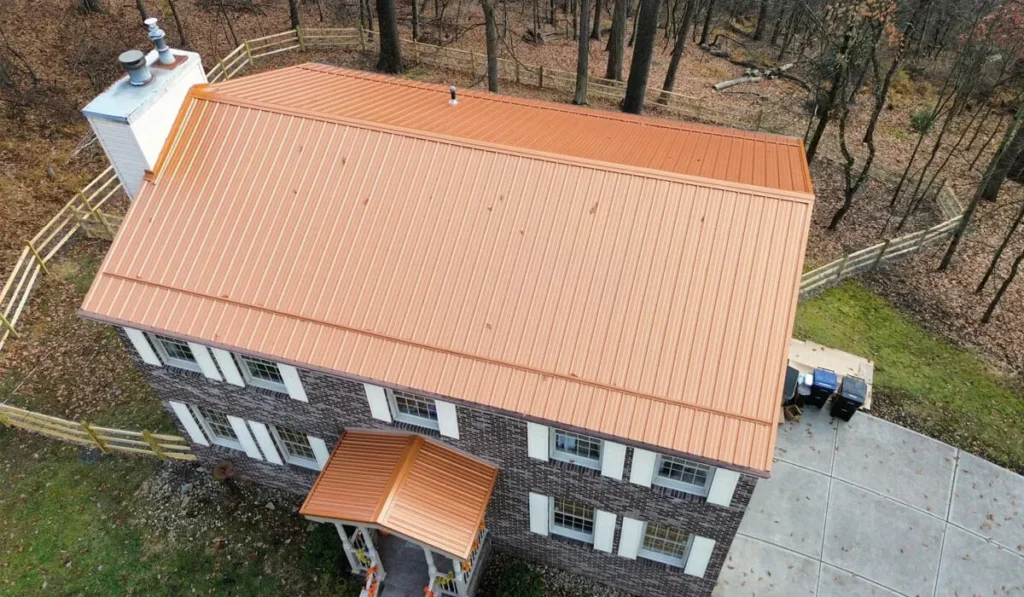
Determining the best roofing type requires evaluating four primary factors: desired lifespan, durability requirements, energy efficiency goals, and budget. A building with heavy rooftop foot traffic from maintenance crews needs a different solution than one with minimal access. Similarly, properties in hot climates benefit tremendously from reflective materials that reduce cooling costs.
The R-value of your roofing system matters more than many owners realize. This measurement indicates thermal resistance. Higher R-values mean less heat penetration from the sun, which translates directly to lower energy bills. Government projects often mandate minimum R-30 ratings, and many private owners now follow similar standards voluntarily.
Single-Ply Roofing: TPO, PVC, and EPDM
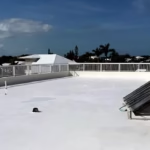
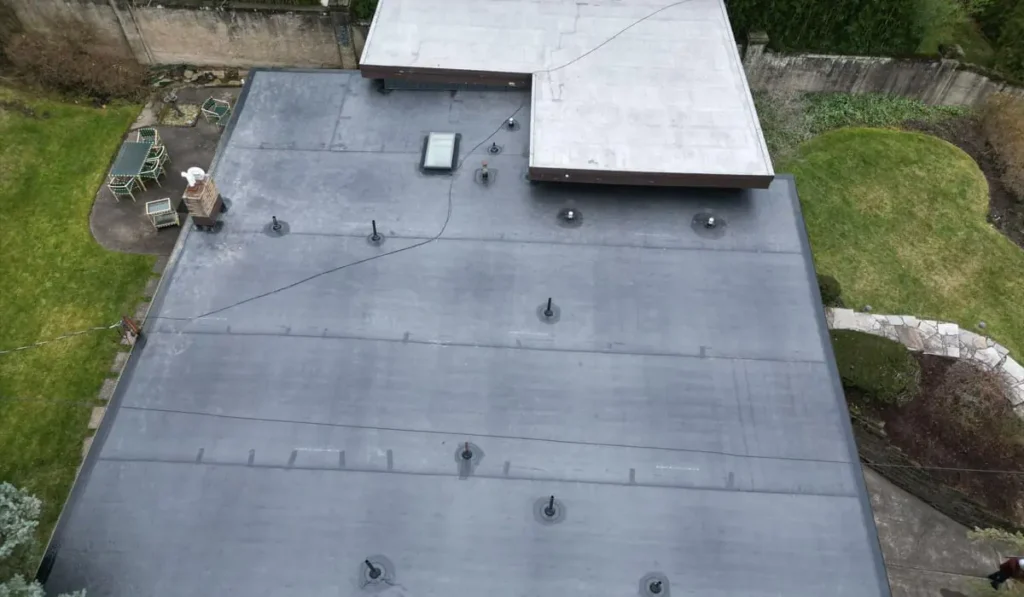
Single-ply membranes dominate the flat roof market today. They come in varying thicknesses, typically 45-mil or 60-mil, with thicker products carrying longer manufacturer warranties. TPO and PVC systems feature three layers: a base, a reinforced scrim, and a protective top coat that shields against UV damage. These membranes are heat-welded at the seams, creating watertight bonds.
EPDM takes a different approach. This synthetic rubber membrane uses adhesive or seam tape rather than heat welding. It performs exceptionally well in extreme temperatures and resists UV degradation. The advantages of single-ply systems include lightweight installation, fire resistance, high wind ratings, and chemical resistance. White membranes earn Energy Star ratings thanks to their reflective properties. For a deeper roofing system comparison, consider your building’s specific exposure to chemicals and foot traffic.
What Is Better, TPO or EPDM?
This question comes up constantly, and the answer depends entirely on your priorities. When comparing EPDM vs TPO vs metal options, consider that TPO excels in hot climates where its white, reflective surface can dramatically reduce cooling expenses. It also resists grease and chemicals, making it ideal for restaurants and light industrial facilities.
EPDM, on the other hand, offers superior flexibility and durability in cold climates. It handles temperature fluctuations without cracking or shrinking. Black EPDM absorbs heat, which can be advantageous in northern regions where passive heating helps reduce winter energy costs. Both materials are easily repairable, though TPO’s heat-welded seams tend to be more reliable long-term than EPDM’s adhesive joints.
Modified Bitumen and Built-Up Roofing
Modified bitumen represents the evolution of traditional tar roofing. It eliminates the need for dangerous on-site asphalt heating in most cases. Installation methods include hot tar, cold tar, torch application, and self-adhesion. The self-adhered option has made this system far more efficient and safer to install.
Built-up roofing, often called BUR, layers fiberglass plies with hot asphalt mopped between them. Four to six layers create exceptional durability for high-traffic roofs. The top coat typically consists of a flood layer with embedded gravel. While incredibly long-lasting at 20 to 30 years, BUR carries higher installation requirements due to material and labor intensity. This makes it better suited for larger commercial projects where durability is the top priority.
Choosing the Best Commercial Roof: Metal Roofing Options
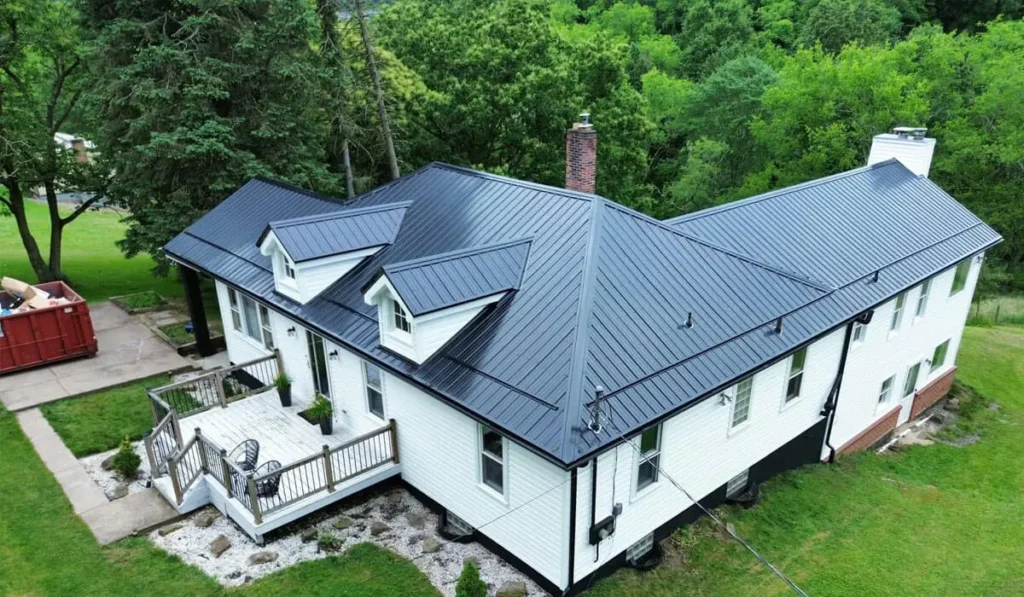
Metal roofing delivers unmatched longevity and curb appeal for commercial properties. Standing seam systems use concealed fasteners and can last 50 years or more with proper installation. They resist high winds and add significant value to buildings. Screw-down panels offer a more economical alternative but require maintenance within five years as thermal expansion loosens exposed fasteners.
Three primary metals dominate commercial applications: aluminum, steel, and galvalume. Aluminum naturally resists corrosion and comes in mill finish or painted options with 40 to 45-year warranties. Steel remains the most popular choice due to its versatility, available in 24, 26, or 29-gauge thicknesses. Galvalume combines a steel core with aluminum coating, providing excellent corrosion resistance and performance near saltwater environments.
Which Is Better, Corrugated or Rib Type?
Metal panel profiles significantly impact both performance and aesthetics. Corrugated panels feature rounded, repeating waves and have been used for over a century. They shed water efficiently and work well on agricultural and industrial buildings. R-panels, also called rib-type or multi-rib panels, use trapezoidal ridges that provide greater structural rigidity.
For most commercial applications, rib-type panels offer advantages. Their flat surfaces make them easier to seal and maintain. Standing seam systems take this further by eliminating exposed fasteners entirely. The trade-off comes down to budget versus longevity. Corrugated and exposed-fastener systems have lower upfront investment but require more maintenance over time.
What Are the Latest Trends in Commercial Roofing?
Energy efficiency continues driving innovation in commercial roofing. Cool roof coatings that reflect solar radiation have become increasingly popular, regardless of underlying material. According to the U.S. Department of Energy, cool roofs can reduce peak cooling demand by 10 to 15 percent in many commercial buildings.
Green roofing systems that incorporate vegetation layers are gaining traction in urban areas. They reduce stormwater runoff, improve insulation, and extend membrane life by protecting it from UV exposure. Solar-ready roofing has also become standard on many new commercial projects, with mounting systems integrated during initial installation rather than retrofitted later.
Asphalt Shingles for Commercial Buildings
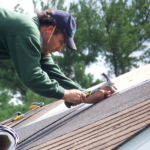
Steep-slope commercial buildings often use upgraded asphalt shingles rather than builder-grade products. Designer shingles provide wind ratings suitable for commercial applications and can last 25 to 35 years. They represent the most affordable option for appropriate roof slopes. The main drawback is that replacement creates significant debris, which can disrupt tenants and customers during the project.
Commercial Roofing Lifespan and Application Comparison
| Roofing Type | Expected Lifespan | Best Applications |
|---|---|---|
| TPO/PVC | 20-30 years | Hot climates, restaurants, chemical exposure |
| EPDM | 20-30 years | Cold climates, warehouses, offices |
| Modified Bitumen | 15-20 years | Retail, high foot traffic areas |
| Built-Up (BUR) | 20-30 years | Schools, offices, heavy equipment areas |
| Metal (Standing Seam) | 40-50+ years | Long-term investment, high visibility |
| Designer Shingles | 25-35 years | Steep slopes, smaller buildings |
Making the Right Decision for Your Property
Your building’s specific circumstances should guide your final choice. Consider foot traffic patterns, exposure to chemicals or grease, wind conditions, sun exposure, and whether the roof is visible to customers or tenants. Budget matters, but so does long-term value. A metal roof requires greater initial investment yet may prove more economical over 40 years than replacing a single-ply system twice. For more guidance on material longevity and value, visit Expert Roofing and Siding Insights: Your Ultimate Blog Resource.
I recommend starting with a professional roof inspection before making any decisions. An experienced contractor can assess your current system, identify specific challenges, and recommend solutions tailored to your property. The best system ultimately balances your investment, energy efficiency, maintenance requirements, and durability for your unique situation.