After a severe storm rolls through your neighborhood, the last thing on your mind is paperwork. You are focused on safety, checking on family, and looking over the visible damage. But here is something many Pittsburgh homeowners overlook: the clock starts ticking the moment that storm passes. Understanding how long you have to report roof damage can mean the difference between a fully covered repair and paying for a new roof out of pocket.
Too many property owners assume they have unlimited time to file. They do not. Insurance companies have built in deadlines, and missing them can result in a denied claim.
How Long After a Storm Can You File a Roof Claim?
The short answer is: as soon as possible. Most homeowner policies include a "prompt notice" clause, which requires you to report damage within a reasonable time frame. While "reasonable" is somewhat subjective, insurers generally expect notification within days or a few weeks of the event. Waiting months is risky.
Typical filing windows in most policies run from six months to one year after the storm. Some carriers allow up to two years, but that is the exception rather than the rule. The safest approach is to report within 48 to 72 hours of discovering the damage. Before you call your carrier, it helps to know exactly what you are reporting. A residential roof inspection from a local roofer gives you a written record of what the storm did, which protects your credibility and strengthens your claim from day one.
Understanding the Roof Claim Timeline for Insurance
The roof claim timeline involves several stages beyond the initial report. First, you notify your insurer. Then, an adjuster visits your property. Following that assessment, you receive an estimate, negotiate if necessary, and proceed with repairs.
Some policies also include depreciation schedules and repair completion deadlines. If you fail to complete repairs within a specified window, typically 180 days to one year, you might only receive actual cash value instead of full replacement cost. That leaves a gap between what your repairs cost and what your insurer pays, and the gap is yours to cover.
Is There a Time Limit to Claim on Insurance?
Absolutely. Every insurance policy has deadlines embedded in the fine print. These limits exist because insurers need to verify that damage resulted from a specific storm event, not gradual wear and tear. The longer you wait, the harder it becomes to prove causation.
State law plays a role as well. In Pennsylvania, a dispute over a homeowner policy is treated as a contract matter, and the general statute of limitations for a written contract is four years. However, many policies shorten that window with their own "suit against us" clause, often to one or two years from the date of loss. Your policy language controls, so read the conditions section or ask your agent to point it out.
How Long Can You Wait to File a Home Insurance Claim?
While some policies technically allow up to two years, waiting that long is a gamble we would never recommend. Insurance adjusters are trained to scrutinize delayed claims. They may argue that the damage worsened due to neglect or that you cannot definitively link it to a specific weather event.
Here is what happens when you delay. Shingles deteriorate further. Water infiltrates your attic. Minor issues become major structural problems. By the time you file, the adjuster sees compounded damage and questions why you waited. That opens the door to partial denials.
Common Deadlines at a Glance
| Deadline Type | Typical Time Frame |
|---|---|
| Initial claim notification | 48 to 72 hours (recommended) |
| Formal claim filing | 6 to 12 months (policy dependent) |
| Maximum filing window | 12 to 24 months (rare exceptions) |
| Repair completion | 180 days to 1 year |
| Legal action in Pennsylvania | Up to 4 years by statute, often shortened to 1 or 2 years by the policy |
How Long After a Storm Can I File a Claim?
The answer depends on your policy, but the general rule is simple: do not wait. Many homeowners do not realize their roof has sustained damage until weeks later. Hidden issues like cracked shingles, lifted flashing, or granule loss often go unnoticed without a professional inspection.
Insurance companies use hail tracking maps and weather service data to verify storm events. They can pinpoint when hail or high wind hit your zip code and cross reference that with your claim date. If too much time has passed, they may question whether the damage is truly storm related.
Why Pittsburgh Roofs Take a Beating
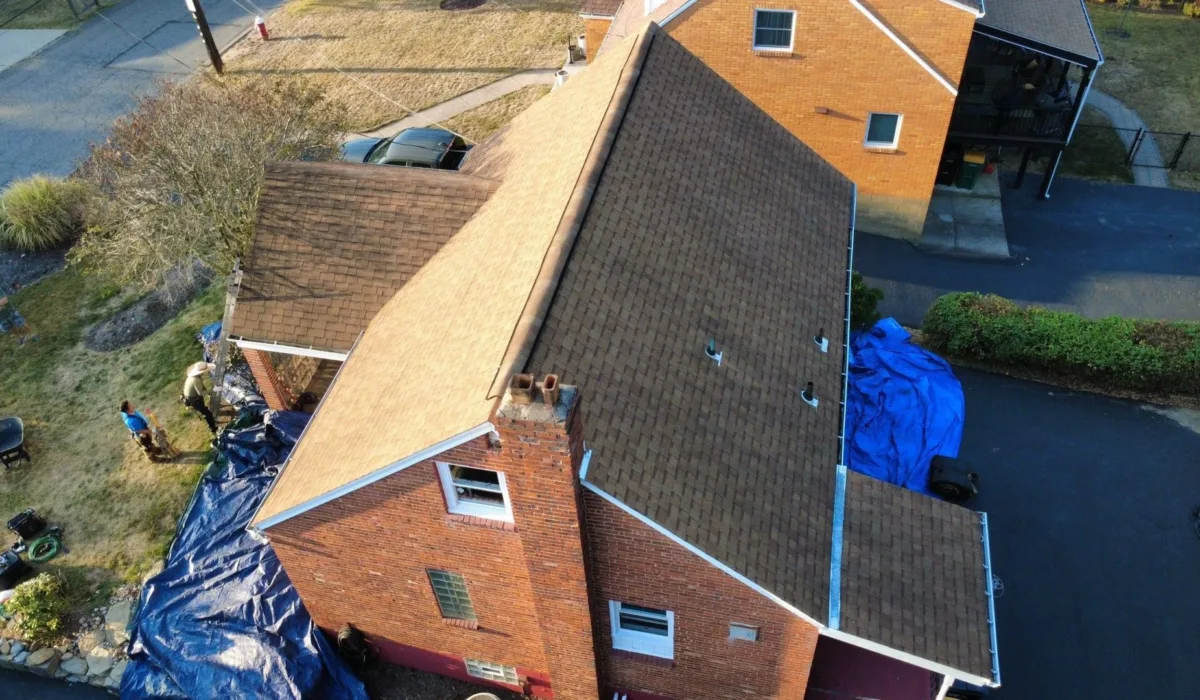
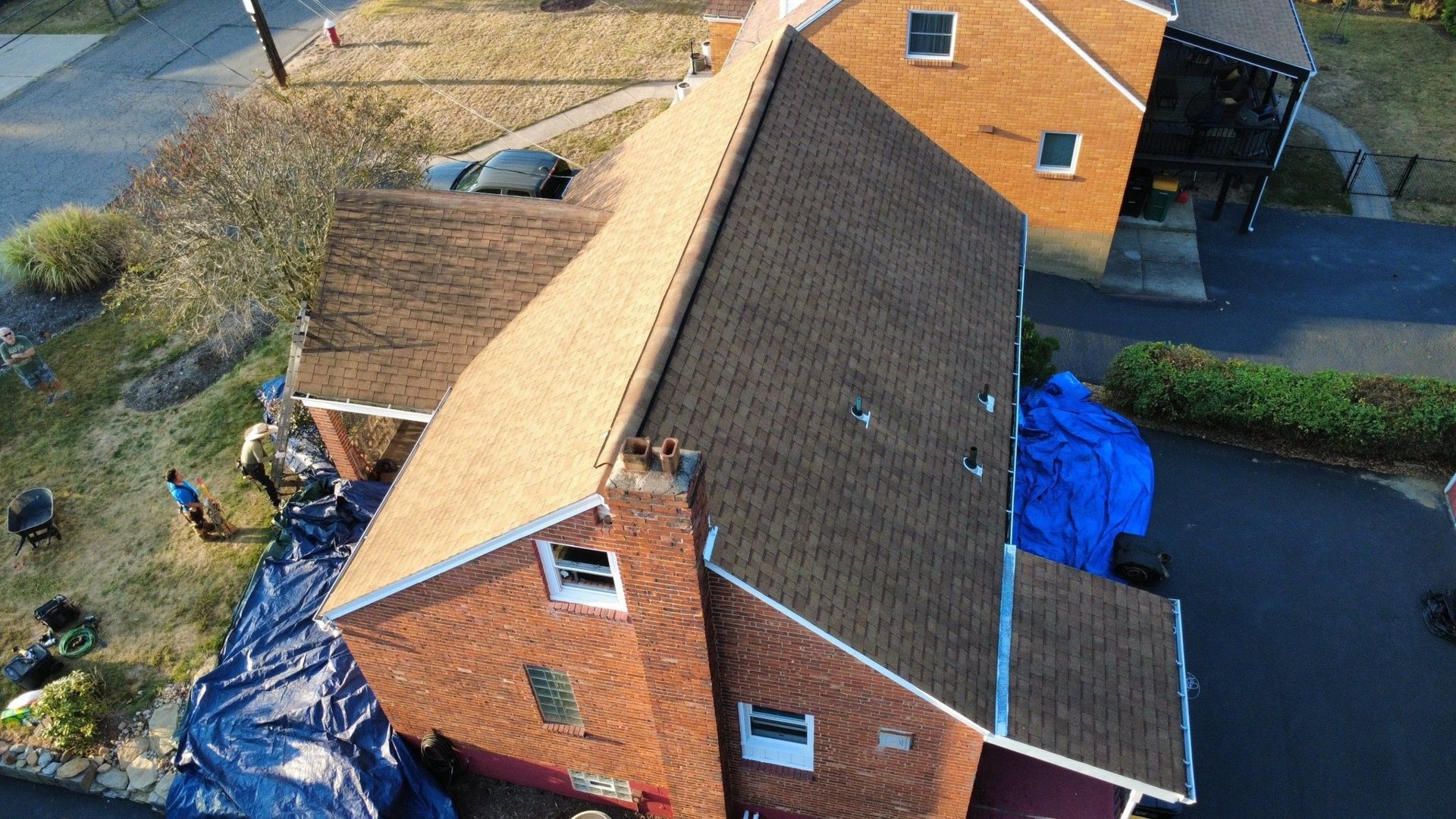
Western Pennsylvania weather gives roofs no rest. Spring and summer bring thunderstorms with straight line wind and the occasional hail cell. Fall brings the remnants of tropical systems. Winter brings freeze and thaw cycles that pry at every seam the summer storms loosened. Much of the housing stock in the North Hills, the South Hills, and the city neighborhoods was built decades ago, and older roofs with brittle shingles lose tabs in wind that a newer roof would shrug off.
That matters for your claim because an adjuster will look for the difference between storm damage and plain age. Creased or missing shingles, dented metal vents and gutters, and bruised shingle mats are storm signatures. Curling, cupping, and bald spots across the whole roof read as wear. A written inspection report that separates the two is the most useful document you can hand your carrier.
Why Prompt Documentation Matters for Your Storm Damage Roof Claim Deadline
Documentation is your best defense against claim disputes. Immediately after a storm, take photographs from the ground and from inside the attic. Capture missing shingles, dents, debris, and any interior water stains. Record the date and time.
Schedule a professional roof inspection within the first week. A qualified inspector can identify damage you might miss and provide a written report linking it to the storm event. This report carries weight during the claim and shows that you acted promptly.
What We Do on a Storm Inspection
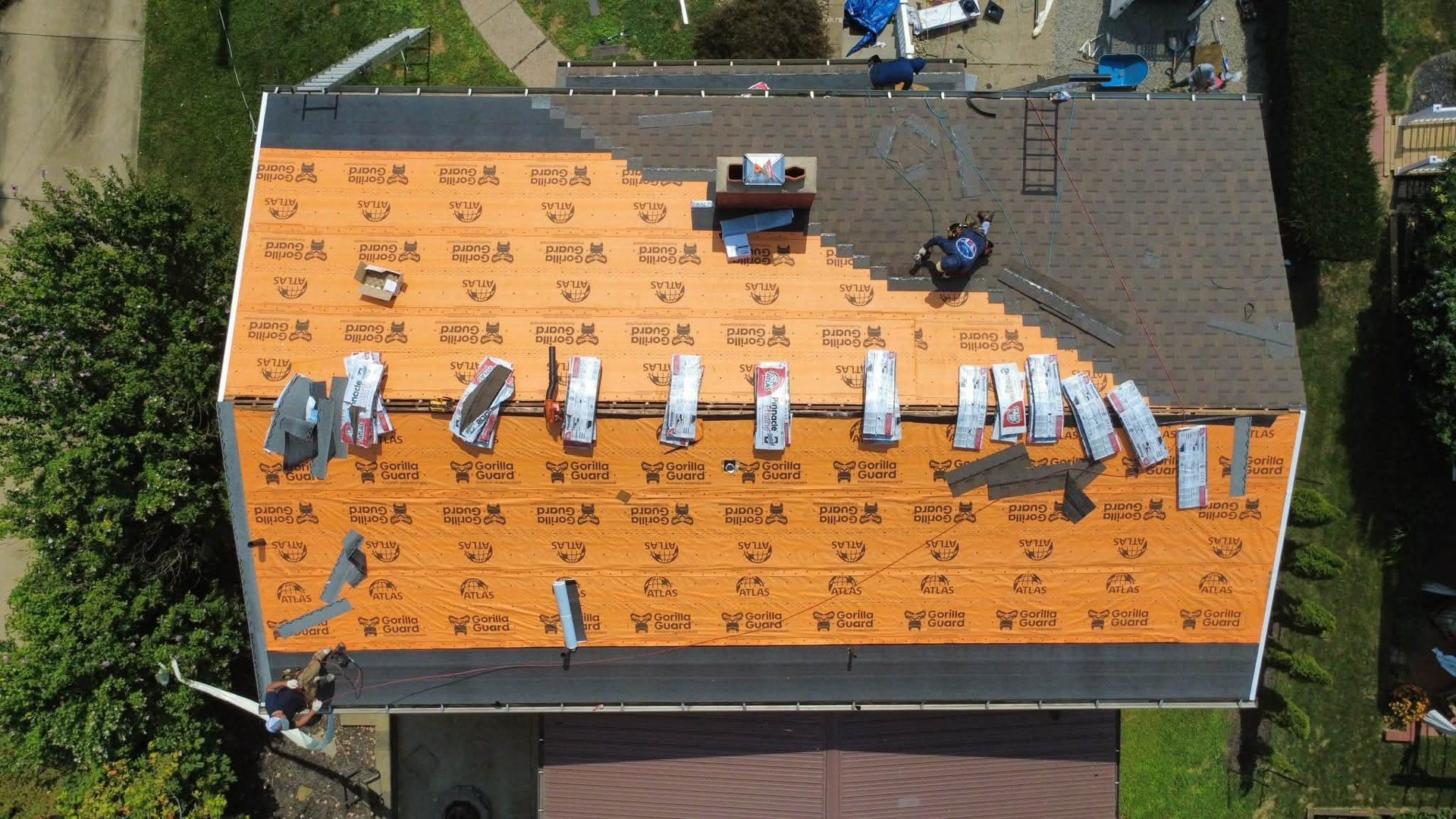
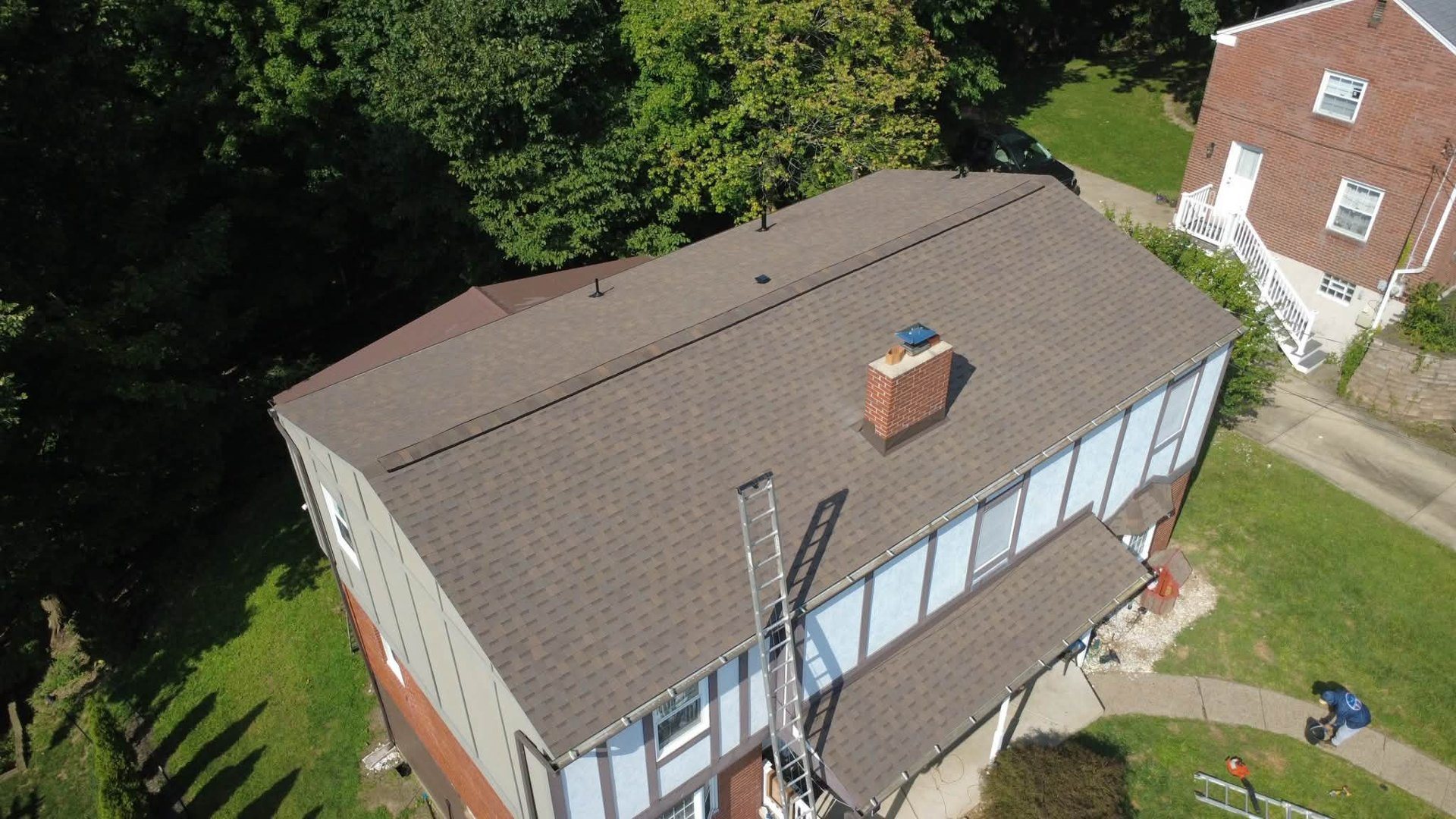
When we inspect a storm damaged roof in the Pittsburgh area, we walk the roof rather than looking from the driveway. We check every slope for creased, lifted, or missing shingles, test for bruising from hail, and look closely at ridge caps, flashing, pipe boots, and valleys, which are the first places wind gets a grip. We photograph everything with a chalk mark or a reference point so the adjuster can find the same spot. We check gutters, downspouts, siding, and soft metals for hail dents, since those often confirm the hail size. Then we put it all in a written report with photos and a free written estimate for the repair or replacement.
If the adjuster schedules a visit, we can meet them on site. Having the roofer and the adjuster on the roof together keeps anything from being missed and keeps the conversation about facts rather than guesses.
Factors That Can Affect Your Roof Insurance Claim Time Limit
Several variables influence your deadline. Your roof's age plays a significant role. Older roofs face more scrutiny because insurers suspect pre-existing wear. Many policies reduce coverage or deny claims outright for roofs past 15 to 20 years. Want to understand how age affects your coverage? Read our guide on how old a roof can be before insurance says it is too old.
Your deductible structure also matters. Some policies now carry a separate, higher deductible for wind and hail, often set as a percentage of the dwelling coverage rather than a flat amount. On a larger home that percentage can add up to a sizable out of pocket cost before coverage starts. Knowing that number before you file helps you decide whether a small repair is better handled without a claim.
What Happens If You Miss the Deadline?
Missing your filing deadline typically results in denial. The insurer has no obligation to consider your claim once the window closes. You become responsible for the full repair cost, and on a full replacement that cost depends on the size and pitch of the roof, the number of layers that have to come off, the shingle you choose, and how much decking needs replaced. We put all of that in a free written estimate so there are no surprises.
Even if you file on time but miss repair completion deadlines, you may forfeit part of your payout. Some policies only release the final payment after repairs are verified complete. Others switch from replacement cost to actual cash value if work is not finished within the specified time frame.
Steps to Protect Your Claim
- Document everything. Take photos, keep receipts, and keep a log of every call and email with your insurer.
- Contact your insurer within 48 hours to report the damage, even if you do not yet know the full extent.
- Have a local roofer inspect the roof and give you a written report and estimate within the first week.
- Avoid out of town storm chasers who may not be around for warranty work. A local contractor with a shop and a phone number that will still work next year is worth more than a knock on the door.
- Ask your roofer to meet the adjuster on site so nothing gets overlooked.
- Complete repairs inside the policy window so you receive the full replacement cost.
Frequently Asked Questions
Should I call my insurer or a roofer first?
Either order works, but we suggest a quick call to your insurer to report the date of loss, then a roof inspection before the adjuster visits. That way you have your own photos and report to compare against the adjuster's findings.
Will filing a claim raise my rates?
That depends on your carrier and your claim history. A single weather claim is treated differently than repeated claims. If the damage is minor, it may be cheaper to pay for a small repair directly, and a written estimate tells you which side of your deductible you are on.
What if I only notice a leak months after the storm?
Report it as soon as you find it and say so honestly. Interior leaks often show up well after the storm that caused them. An inspection that ties the leak to a specific damaged area helps, and weather records can confirm the storm date.
Does Malick Brothers handle the claim for me?
The claim belongs to you and your insurer. We inspect, document, provide the written estimate, meet the adjuster if you want us there, and do the repair or replacement once the claim is approved.
Final Thoughts on Reporting Roof Storm Damage to Insurance
Understanding how long you have to report roof damage is not just about meeting deadlines. It is about protecting your home, your finances, and your peace of mind. The claims process can feel overwhelming, but acting quickly simplifies everything. Document thoroughly, report promptly, and work with professionals who understand the process.
Do not let procrastination cost you a roof. Pull out your policy today and review your specific deadlines. If a recent storm has hit your home anywhere in the Pittsburgh area, contact Malick Brothers Exteriors for a roof inspection and a free written estimate. We are family owned, based at 500 Perry Highway in West View, and we will be here for the warranty work long after the storm is forgotten.