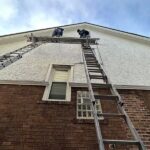
I still remember a call we got from a bakery owner in Lawrenceville a few winters back. Her old roof had finally given out, water was dripping onto her display cases, and she was certain a repair meant closing for a month. It didn’t. We worked around her morning rush, tarped her ovens, and she never lost a single day of sales. That job shaped how my team at Malick Brothers Exteriors thinks about every project. Protecting the building is only half the work. Protecting the business living inside it is the other half.
Roof work is disruptive by nature. Nails drop. Crews move heavy material overhead. Dust shakes loose from ceilings you forgot you had. A solid plan turns that chaos into something controlled and predictable, and a good commercial roofing contractor builds that plan with you before a single shingle moves. Here is the blueprint we follow, written plainly so you can use it no matter who you hire.
Protecting Your Business During Roof Work in Pittsburgh Starts Before Day One
The costliest mistakes happen before the crew ever arrives. Owners get excited about a low bid and skip the boring paperwork that actually shields them. Don’t. The single most important document is the Certificate of Insurance, and you should read it yourself.
A legitimate contractor carries general liability of at least one million dollars plus active workers’ compensation. Ask for the certificate, then call the insurer listed on it to confirm the coverage is current. If a worker is hurt on your property and that policy has lapsed, the liability can roll downhill onto you. That one phone call is the cheapest insurance you will ever buy.
Insurance and Permits Come First
Structural roof work inside the city requires permits from the Department of Permits, Licenses, and Inspections. Your contractor should pull those, not you. If anyone suggests skipping permits to save a few days, treat it as a flashing red light.
How to Make Sure Roofing Contractors Don’t Cheat
Trust gets earned on paper before it gets earned on the roof. I tell every owner the same thing. Get it in writing, and get it specific.
A vague estimate is exactly where dishonest crews hide. Your contract should name the materials, the brand, the square footage, the cleanup terms, and a payment schedule tied to milestones instead of one big deposit up front. Be cautious of anyone demanding full payment before work begins. Storm chasers love that move, and they are long gone by the time a warranty issue shows up.
Ask for local references and actually call them. A real business roofing company leaves a visible trail of nearby projects and reviews you can verify. If a price feels too good to be true, it usually is, because someone is cutting a corner you cannot see from the sidewalk.
What Is the 25% Rule in Roofing?
This one catches owners off guard, so let me keep it simple. The 25% rule says that when more than a quarter of a roof section is repaired, replaced, or recovered within a twelve month window, the whole section must be brought up to current building code rather than just patched.
It traces back to the International Building Code that Pennsylvania has adopted, and it exists for a good reason. Bolting a small new patch onto a failing old system rarely lasts. For a lot of commercial buildings, crossing that line turns a quick fix into a full roof replacement, which changes both your budget and your timeline. Knowing the threshold in advance means no ugly surprise when the inspector signs off.
Guarding Your Property, Inventory, and Storefront
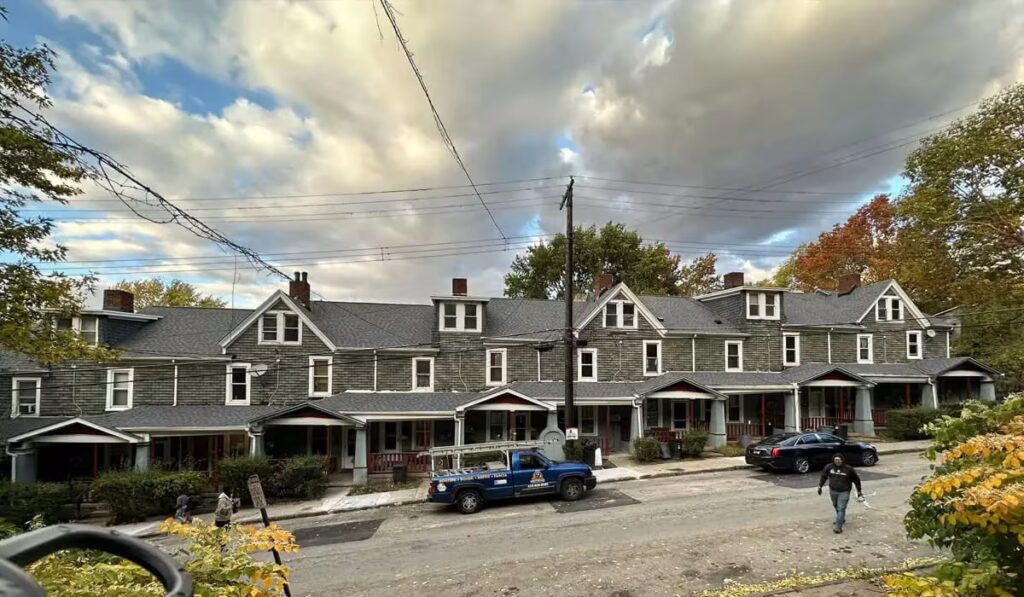
Once work starts, the risks turn physical. Vibration from hammering loosens dust and ceiling tiles. Falling debris dents signage and cracks windshields. A couple hours of prep can save you thousands. Here is the checklist my crews run before they climb a ladder.
| Zone | Main risk | Protection step |
|---|---|---|
| Entrances | Falling debris | Plywood tunnel or scaffold cover |
| Interior stock | Dust and vibration | Heavy duty tarps over goods |
| Exterior perimeter | Dropped materials | Clear furniture, signs, vehicles |
| Parking lot | Stray nails | Daily magnet sweeps |
Cover delicate inventory, computers, and machinery. Move patio furniture, outdoor displays, and employee cars away from the building line. Build a covered tunnel above any door your customers and staff still need to use.
Keeping Customers and Staff Safe During Roof Work in Pittsburgh
Safety is not just a legal box. It is your reputation. Set up physical barricades and clear signage to seal off the drop zones directly below the work, then reroute foot traffic to a safe alternate door.
Noise is the disruption people underestimate. Tear off is loud, plain and simple. We schedule the loudest tasks before opening hours or on weekends whenever the calendar allows, and we hand earplugs to anyone working inside.
Managing Noise and Your Neighbors
If you share a lot or a wall in a tight corridor like the Strip District or the South Side, give the businesses around you a heads up. A short note about the schedule and parking goes a surprisingly long way. Good corridors run on goodwill.
How to Be Safe While Working on a Roof
This part falls on the crew, but you should still know what good looks like. Falls cause roughly three out of four roofing injuries, which is why the federal rules are strict.
Under OSHA, any worker six feet or more above a lower level needs fall protection: guardrails, safety nets, or a personal fall arrest system. Skylights have to stay covered or guarded the entire time, because they look solid and are not. You can review the federal standards through the OSHA fall protection guidelines. When you see harnesses, hard hats, and tied off lines on your roof, you are looking at a crew that plans to go home in one piece and do careful work in between.
How Long Does the Average Roofing Company Stay in Business?
Here is a sobering figure that should shape who you hire. The average roofing company stays in business only three to four years, and by most counts around 72% of new roofing firms fold within five.
Why should that matter to you? Because a warranty is only as good as the company standing behind it. If your roof springs a leak in year three and the crew that installed it has vanished, your paperwork is worthless. Longevity tells you more than survival. It signals fair pricing, repeat customers, and a reputation a fly by night operation never builds. Always ask how long a commercial roofing contractor has truly operated under the same name.
Finishing Strong: Protecting Your Business During Roof Work in Pittsburgh to the Last Nail
The job is not finished when the last shingle is set. Stray nails in your lot can puncture tires for weeks, so insist the crew runs magnetic sweepers across every walkway and parking space. Then walk the property together.
Do a full inspection with the project manager before you release final payment. Check the gutters, siding, and landscaping, and confirm the cleanup matches your contract. If you want to understand the difference between a patch and a lasting fix before you begin, our guide on Commercial Roof Repair in Pittsburgh: What You Need to Know breaks it down.
At Malick Brothers Exteriors, we treat your building like our own storefront. We show up insured, we protect what is inside, and we leave the site cleaner than we found it. That bakery in Lawrenceville still sends us referrals. That is the only review that has ever mattered to us.