Table of Contents
Most building owners don’t think twice about their roof until something goes wrong. By then, if the warranty language wasn’t read carefully before the job was signed off, the repair bill can land squarely on you. A commercial roof guarantee is not just a piece of paper; it’s the financial protection that determines whether a leak costs you nothing or thousands of dollars out of pocket. Getting this right from the start matters more than most people realize.
The Two Warranties Every Commercial Roof Needs
There are two distinct types of coverage that should always accompany a commercial roofing project. The first is the manufacturer’s warranty, which covers defects in the roofing materials themselves. The second is the contractor’s workmanship warranty, which covers errors made during installation. Having one without the other leaves a real gap in your protection.
A manufacturer’s warranty typically runs anywhere from 10 to 30 years, depending on the product and coverage tier selected. The contractor’s workmanship warranty is usually shorter, running between 2 and 5 years. Together, they create a complete commercial roofing warranty package that protects against both defective materials and faulty installation. Skipping either one is a risk that rarely pays off.
What Is a Standard Commercial Warranty?
A standard commercial warranty covers the roofing membrane against premature failure or manufacturing defects. In most cases, it will specify a dollar limit on repairs and may be prorated, meaning the coverage value decreases as the roof ages. These baseline warranties are common, but they are not ideal for large commercial properties where repair costs can be substantial. Understanding what “standard” actually means in your contract is the first step toward knowing whether you have adequate protection.
A prorated warranty sounds good on paper, but as the years pass, the manufacturer’s share of any repair costs shrinks while yours grows. For a building owner carrying a large asset, this shifts financial risk back onto the property in a way that’s easy to overlook. Reading the fine print on any roof warranty types is essential before signing. Always ask specifically whether the warranty is prorated or non-prorated.
What Warranties Should a Commercial Roof Have: The NDL Standard
The gold standard in commercial roofing is the No Dollar Limit warranty, commonly called an NDL. This type of coverage pays 100% of both labor and material costs to repair any qualifying leak or defect, with no cap on the repair bill. It does not decrease in value over time, and it applies to the full roofing system rather than just the membrane layer. For large commercial buildings, an NDL is the most financially sound coverage you can ask for.
NDL warranties are typically only available through manufacturers when the installation is performed by a certified contractor. This means the installer you hire directly affects the level of warranty you can obtain. Always verify that a contractor holds active certification from the manufacturer before the job begins. That one step can mean the difference between full coverage and a standard limited warranty.
How Long Are Commercial Roof Warranties?
The length of a commercial roofing warranty depends on the system installed and the coverage tier selected. Manufacturer warranties generally fall between 10 and 30 years, with 20-year NDL warranties being common for quality commercial installations. Workmanship warranties from contractors are typically 2 to 5 years. Some premium systems and extended coverage tiers can push manufacturer coverage beyond 30 years, though these usually come with stricter maintenance requirements.
| Warranty Type | Typical Duration | What It Covers |
|---|---|---|
| Manufacturer NDL Warranty | 10–30 years | Materials and labor for leaks or defects, no dollar cap |
| Standard Manufacturer Warranty | 10–20 years (prorated) | Material defects only, coverage decreases over time |
| Contractor Workmanship Warranty | 2–5 years | Installation errors, improper sealing, flashing mistakes |
| System Warranty | 10–30 years | Full assembly: membrane, insulation, and fasteners |
System Warranties vs. Membrane-Only Coverage
A system warranty covers the entire roofing assembly, including the insulation, membrane, fasteners, and drainage components. A membrane-only warranty covers just the top layer of the roof. The distinction matters because many commercial roof failures originate not in the membrane itself but in the layers beneath it or in the way components were fastened together. If your warranty only covers the membrane, you could be facing an uncovered repair even when the manufacturer is technically involved.
Asking for a full system warranty should be a non-negotiable part of any large commercial roofing project. It ensures that every component of the installation is backed by coverage and reduces the chance of a warranty dispute over which part actually failed. A complete commercial roof guarantee always accounts for the full system, not just the visible surface layer.
What Warranties Should a Commercial Roof Have for Storm Damage?
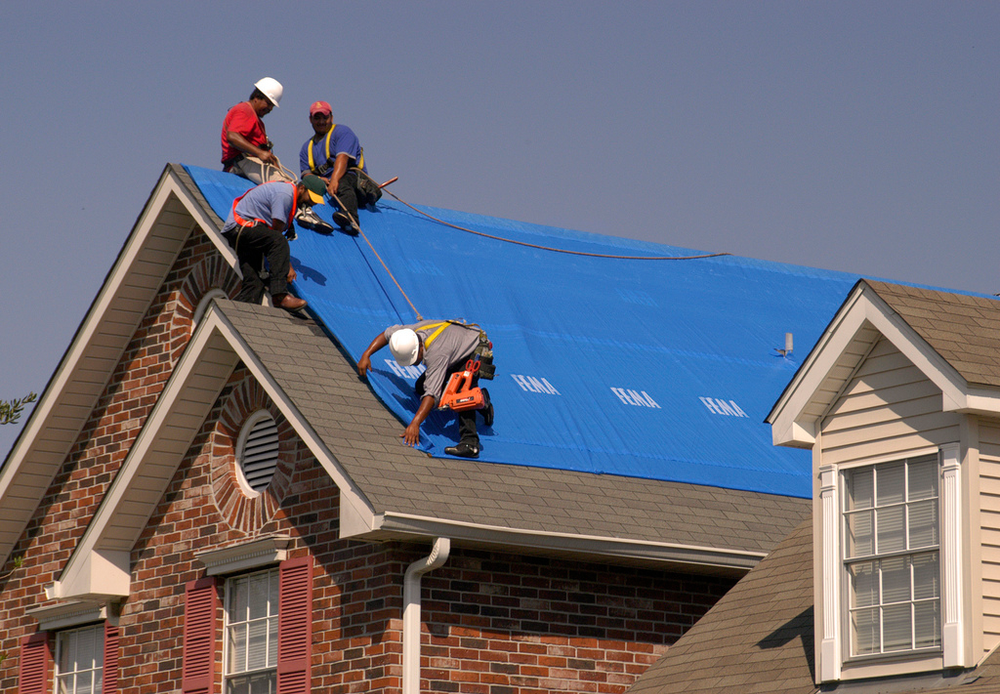
Most standard warranties specifically exclude storm damage, including wind and hail. This is a common gap that catches building owners off guard after a severe weather event. To address this, manufacturers offer optional riders that extend coverage to include wind speeds of 72 MPH or higher and sometimes hail damage as well. If your property is located in a region that sees heavy storms, adding these riders is a smart investment.
It’s worth noting that storm damage riders also have conditions attached. Installation quality, edge detailing, and roof drainage all affect whether a claim will be honored after a wind event. A roofer who is not certified by the manufacturer may not be able to offer these riders at all, which is another reason to vet your contractor carefully before the project starts. The What Pittsburgh Homeowners Should Know About Roofing Warranties guide covers how these conditions apply in real-world claims, and many of the same principles apply to commercial properties.
How Often Should a Commercial Roof Be Replaced?
The lifespan of a commercial roof varies widely depending on the material, climate, and maintenance history. TPO and EPDM membranes typically last 20 to 30 years when properly installed and maintained. Built-up roofing systems can last 15 to 30 years under good conditions. Metal roofing is at the top end of the spectrum, sometimes lasting 40 years or more. The warranty period is a useful indicator, but it’s not a replacement schedule; regular inspections are what actually determine when a roof is nearing the end of its useful life.
Most manufacturers require documented annual inspections to keep warranties valid. These inspections serve a dual purpose: they satisfy the warranty requirement and catch minor issues before they become expensive repairs. The National Roofing Contractors Association recommends semi-annual inspections in spring and fall as a baseline practice for commercial properties. Staying current with this schedule protects both the roof and the warranty behind it.
Key Maintenance Requirements to Keep Your Warranty Valid
Failing to maintain a commercial roof according to manufacturer guidelines is one of the most common reasons warranty claims get denied. Documentation is critical: inspections need to be recorded, repairs need to be performed by approved contractors, and any modifications to the roof surface require manufacturer approval. Foot traffic damage, HVAC equipment installation, and penetration work done without proper notice are among the fastest ways to void coverage. Treating maintenance as an ongoing obligation rather than an afterthought is what keeps the warranty enforceable when it matters most.
What Exclusions Should You Watch For
Even the most comprehensive commercial roofing warranties carry exclusions. Acts of God, which can include hurricanes, tornadoes, and flooding, are almost universally excluded unless specific riders are purchased. Damage from foot traffic, improper use of the roof surface, and unauthorized modifications typically void coverage immediately. Chemical exposure from HVAC equipment or ponding water from drainage failures may also fall outside standard warranty terms. Knowing these exclusions upfront lets you plan for them rather than discovering them during a claim.
A final word on roof warranty types: no warranty is better than the contractor who backs it. Manufacturer certification, documented maintenance, and a clear understanding of what is and isn’t covered are what make a warranty actually useful. Before any commercial roofing project is finalized, review the warranty documents in full, confirm the contractor’s certification status, and ask directly whether the coverage is NDL or prorated. Those three steps cost nothing but can save a building owner significantly over the life of the roof.