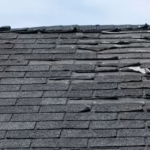
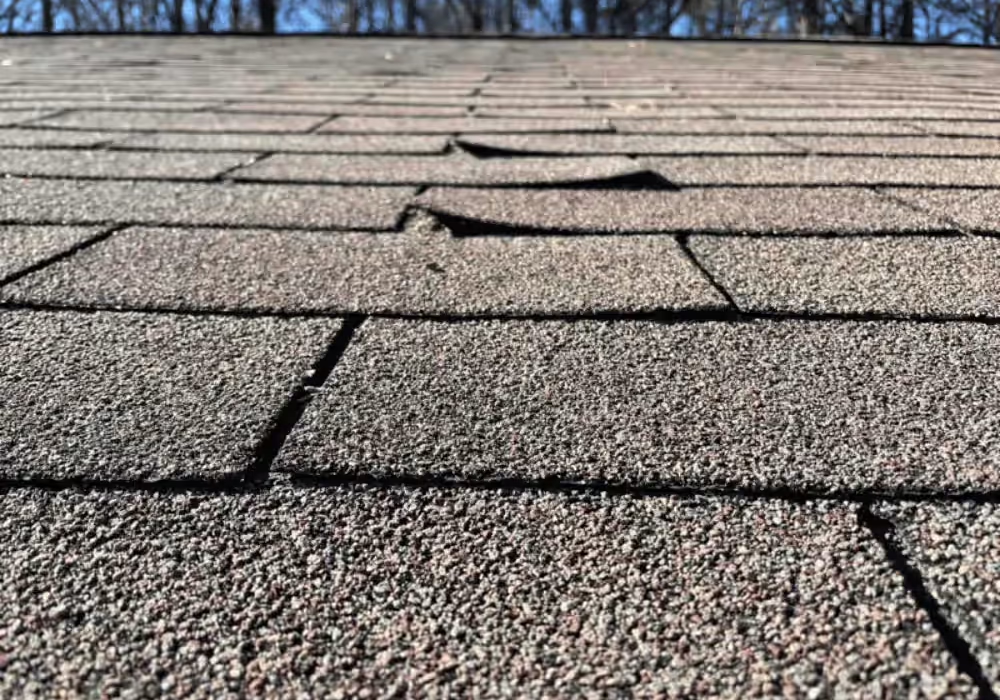
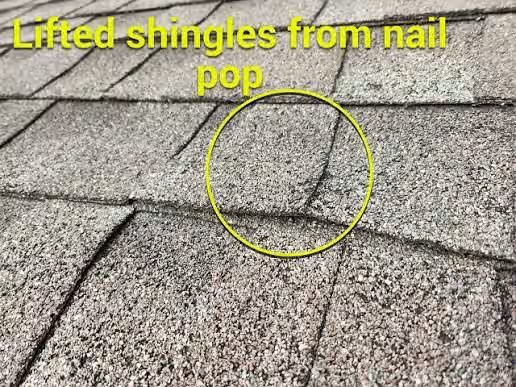
If you have noticed small bumps under your shingles or a shingle that will not lie flat, you may be looking at roofing nail pops. A nail pop means a roofing nail has worked its way up and out of the roof deck, and it usually needs repair. A single popped nail is not an emergency. Left alone, though, it can tear through the shingle above it and let water into your home.
Nail pops deserve extra attention in Pittsburgh and Western Pennsylvania. The region's wet weather and repeated freeze-thaw cycles put steady stress on roofs, and small openings can turn into leaks faster than many people expect. Here is what causes nail pops, how to spot them safely, and what a professional repair typically involves.
What Are Roofing Nail Pops?
Asphalt shingles are nailed to the roof deck, the plywood or OSB sheathing beneath them. A nail pop happens when one of those nails loosens and backs out of the deck. As it rises, it pushes up on the shingle covering it and creates a visible bump. Eventually the nail head can poke through, leaving both the nail hole and the torn shingle open to water.
What Causes Nail Pops?
Nail pops rarely have a single cause. In most cases, one or more of the following is at work.
Freeze-Thaw Cycles and Temperature Swings
Pittsburgh winters often cross the freezing mark many times in a season. Roof decking expands and contracts with those swings, and that repeated movement can gradually loosen nails.
Moisture in the Roof Deck
Wood absorbs moisture and swells, then shrinks as it dries. Decking can take on moisture from humid weather, a small leak, or condensation in the attic. Over time, that swelling and shrinking can push nails upward.
Attic Ventilation Problems
Poor attic ventilation can trap warm, moist air under the roof. In cold months, that air condenses on the underside of the sheathing and on nail tips. This can contribute to both nail pops and a weakening roof deck. Learn more about how roof ventilation affects Pittsburgh homes.
Installation Issues
Some nails do not hold as well as they should because of how they were installed. They may have been driven at an angle, not driven all the way in, placed in the wrong spot, or too short to anchor properly. These problems can surface years after installation.
Aging or Damaged Decking
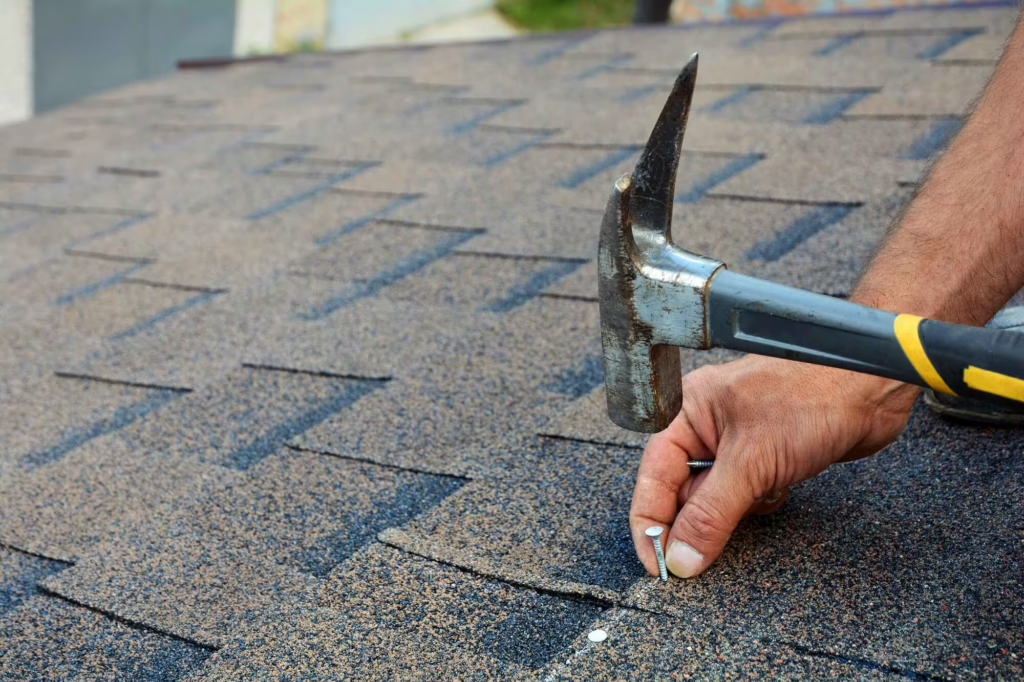
As decking ages or weakens from moisture exposure, it can lose its grip on nails. In these cases, simply replacing the nail may not solve the problem, because the wood underneath needs attention too.
Warning Signs of Nail Pops
You do not need to climb onto your roof to spot most signs of nail pops. For your safety, stay on the ground or inside the house and look for these clues.
From the Ground
- Small bumps or raised spots in otherwise flat rows of shingles. They are often easiest to see in low-angle morning or evening light.
- Shingles that look lifted or do not lie flat against the roof.
- Torn or punctured shingles where a nail head may be showing.
- Loose granules collecting in gutters or at downspout outlets near a particular section of roof.
From Inside the Home
- Water stains or discoloration on ceilings or upper walls.
- Damp spots or drips in the attic after rain or snowmelt.
- Frost or rust on nail tips poking through the attic ceiling, which can point to condensation.
- Musty odors in the attic or top-floor rooms.
Stains can have many causes, so have a roofer confirm the source.
Do Nail Pops Need Repair?
In most cases, yes. A popped nail tends to get worse over time. It wears through the shingle above it and gives rain and snowmelt a way in. Water that reaches the decking can lead to rot, damaged insulation, and interior stains. Caught early, nail pops are often a small repair limited to one area. If you are noticing bumps or lifted shingles, schedule an inspection with a contractor who offers roof repair in Pittsburgh.
Professional Repair Options
The right fix depends on how many nails have popped, what caused them, and the condition of the shingles and decking. A roofer will typically evaluate the affected area and may recommend one or more of the following. Before work begins, it helps to know what should be included in a Pittsburgh roof repair estimate.
Refastening the Affected Area
Sometimes only a few nails have popped and the shingles and decking are still in good shape. In that case, a roofer may remove each popped nail, secure the shingle properly, and seal the area.
Replacing Damaged Shingles
If a nail has torn through a shingle, that shingle may need replacing. This takes care, since neighboring shingles are easily damaged, especially when cold weather makes them brittle.
Addressing Decking Damage
Moisture can weaken the sheathing. When it has, a roofer may recommend repairing or replacing that section of decking so new nails have solid wood to hold.
Fixing the Underlying Cause
Nail pops are sometimes tied to attic ventilation or moisture problems. Then fixing the nails alone may not stop new ones from appearing, so a roofer may suggest looking at ventilation or other contributing factors.
Evaluating Widespread Nail Pops
Many nail pops across a roof can point to a broader issue, such as installation problems or aging decking. A roofer may then discuss whether larger repairs or a replacement make more sense.
Safety note: Walking on a roof is risky, and improper repairs can damage shingles or void manufacturer coverage. Nail pop repairs are best left to a qualified roofing professional.
When to Contact a Roofer
Reach out to a roofing contractor if you notice any of the following:
- Visible bumps, lifted shingles, or exposed nail heads
- Water stains, drips, or dampness in your attic or ceilings
- Nail pops returning after a previous repair
- Several problem spots across different areas of the roof
- Signs of damage after a heavy storm or a hard winter
Frequently Asked Questions
Can I ignore a single nail pop?
It is not usually urgent, but it should not be ignored for long. Even one popped nail can wear through a shingle and let water in over time.
Will nail pops come back after they are repaired?
They can if the underlying cause, such as attic moisture or weakened decking, is not addressed.
Can a newer roof have nail pops?
Yes. Nail pops can appear on newer roofs, particularly if there were installation issues or moisture in the decking. If your roof is relatively new, check whether any installation or manufacturer coverage applies before scheduling repairs.
Are nail pops covered by homeowners insurance?
Coverage varies by policy and by the cause of the damage. Check with your insurance provider for details about your specific situation.
Get Nail Pops Checked Before They Become Leaks
Roofing nail pops are a small sign worth taking seriously, especially with Pittsburgh's freeze-thaw winters and frequent rain. If you have spotted bumps, lifted shingles, or water stains, Malick Brothers Exteriors can inspect your roof and help you understand your repair options. Contact our team to schedule a visit.
Malick Brothers Exteriors offers roofing, gutters, siding, and more across Pittsburgh and Southwest PA. Explore our services to get started.