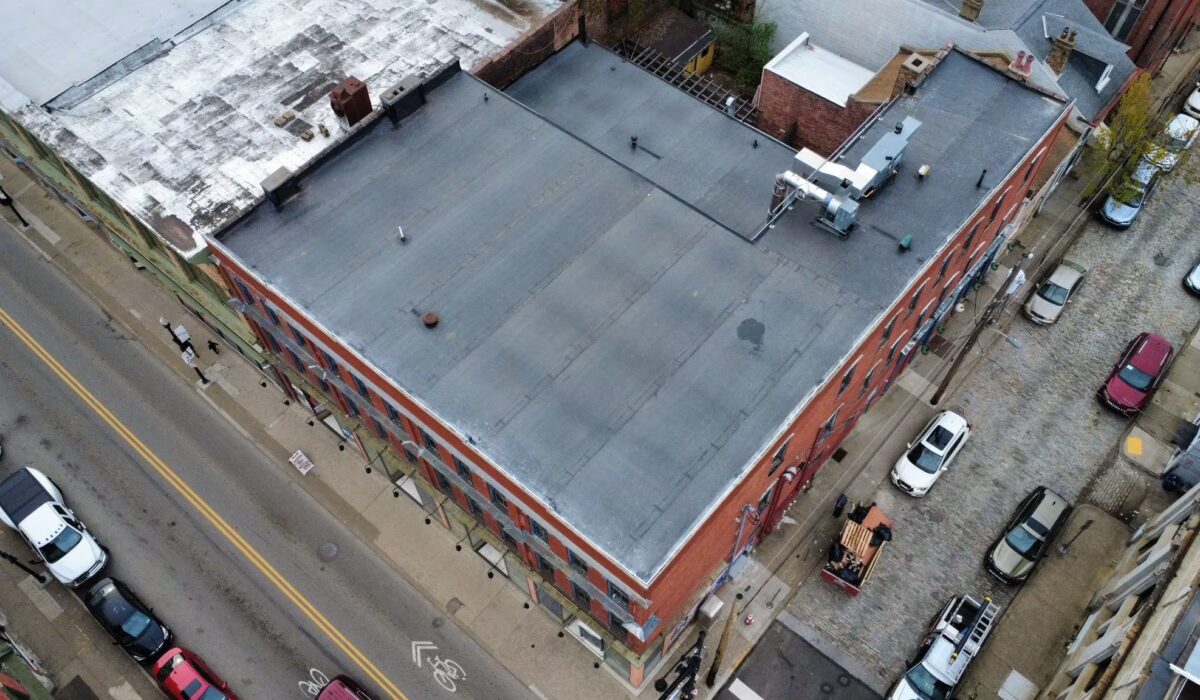
Pittsburgh weather does not play fair with flat roofs. One week it is 55 degrees and raining sideways off the Ohio River. The next, it is 18 degrees with three inches of wet snow sitting on your membrane. That constant swing is exactly what wears a commercial roof down before its time. I have walked hundreds of rooftops across Allegheny County, and the buildings that last are almost never the ones with the newest membrane — they are the ones with a plan.
If you manage a facility here, you already know the roof is the most expensive asset you rarely look at. A smart approach to roof maintenance is not about chasing leaks after they start. It is about catching the small stuff before it turns into a soaked insulation board and a very bad Monday morning.
Why Pittsburgh Weather Punishes Commercial Roofs
The real enemy in Western Pennsylvania is the freeze-thaw cycle. Water finds a hairline gap in a seam, freezes overnight, expands, and pries that gap a little wider. Do that forty times over one winter and a pinhole becomes a pathway. Add heavy snow loads, lake-effect moisture, and the summer thunderstorms that dump an inch in twenty minutes, and you have a climate practically built to test every weak point on your roof. The membrane itself expands in July heat and shrinks back in January cold, and that endless push-and-pull loosens fasteners and stretches seams a little more with every passing season.
Then there is the equipment. Most commercial buildings around here carry rooftop HVAC units, exhaust fans, and condensate lines that vibrate, drip, and shift with the temperature. Every one of those penetrations is a spot where water wants to sneak in. Good commercial roof maintenance treats the roof and its equipment as one connected system, not two separate problems.
What Every Pittsburgh Facility Manager Should Include in a Roof Maintenance Plan
So what actually belongs in the plan? After years in the field, I keep coming back to five pillars. Miss any one of them and the others start to slip. Nail all five, though, and you will squeeze years of extra life out of the roof you already own. Here is what every Pittsburgh facility manager should include in a roof maintenance plan, from the first spring inspection to the last line in the logbook.
Schedule Two Inspections a Year, Plus Storm Checks

Twice a year is the baseline, and the timing genuinely matters. A spring inspection reads the damage winter left behind — stressed seams, cracked flashing, and the scars left by ice dams. A fall inspection gets the building ready for the cold by clearing drains and confirming every sealant is still doing its job before the temperature drops.
Then there are storm checks. After a hailstorm, a wind event, or one of those brutal summer downpours, get eyes on the roof within a few days. Damage is always cheapest to fix the week it happens. If you want a deeper seasonal walkthrough, the Winter Commercial Roof Preparation Checklist (Pittsburgh) makes a strong companion to your fall visit.
Keep Drains and Drainage Clear
Standing water is a flat roof’s slow death. When leaves, sediment, and windblown trash clog a drain, water pools — and that ponding breaks down EPDM, TPO, and built-up membranes faster than almost anything else. I once watched a single blocked scupper hold a few hundred gallons on a roof that was never engineered to carry it.
Clear every primary and secondary drain on a set schedule. Trim back the tree branches that drop debris and quietly feed moss growth. Check that strainer baskets are seated over each drain opening. It is unglamorous work. It also prevents more leaks than any fancy coating ever will. On a low-slope roof, water is patient, and it will always find the one drain you forgot about.
Watch Flashings, Penetrations, and Rooftop Equipment
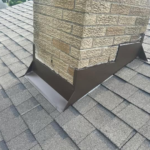
Here is a fact worth memorizing: most commercial roof leaks do not begin in the middle of the field. They begin where the membrane meets something vertical — a parapet wall, a pipe, an equipment curb. Flashing is where the roof is stitched together, and stitching comes loose over time.
Inspect pitch pockets, pipe boots, and structural penetrations for cracking or shrinkage. Look hard at HVAC base flashings, condensate lines, and anchor points, because constant vibration slowly saws at the membrane. Then walk the perimeter and confirm coping caps and metal edging are not lifting, since a raised edge is an open invitation to wind uplift.
Check the Building From the Inside
A good plan does not stop at the roof hatch. After heavy rain, walk the top floor and look up. Water stains, bubbling paint, a faint musty smell, or a spreading brown ring on a ceiling tile are all the building trying to tell you something.
Then step into any accessible space beneath the deck and look for rust, sagging, or damp insulation. Interior clues often surface before the roof itself shows an obvious problem. Strong facility management means reading both sides of the deck, not only the one you can see from above.
Document Everything for Warranties and Insurance
This is the pillar people skip, and it is the one that quietly costs them the most. Nearly every manufacturer warranty requires proof of regular maintenance — and when a claim gets denied, it is usually because nobody kept records. Do not let a paperwork gap void a roof you paid a small fortune to install.
Keep a dated log of every inspection, repair, and person who set foot on the roof. Back it up with timestamped photos or a drone-mapped survey. Ask your contractor to rank findings by urgency, so you can budget capital projects on your terms instead of scrambling for emergency cash later. A clean maintenance file also makes your building easier to sell or refinance, because it proves the roof was cared for rather than merely patched.
A Season-by-Season Roof Maintenance Snapshot
Sometimes it helps to see the whole year at a glance. This is the rhythm I recommend to most facilities across the region:
| Season | Priority Tasks | Why It Matters |
|---|---|---|
| Spring | Full inspection, assess winter damage, clear drains | Catch freeze-thaw and ice-dam damage early |
| Summer | Post-storm checks, seal inspection, trim branches | Handle heat stress and heavy downpours |
| Fall | Full inspection, clear all drains, verify sealants | Prepare for snow load and cold |
| Winter | Snow-load monitoring, quick post-storm visual checks | Reduce collapse risk and ice buildup |
Treat this as a starting frame, not a rulebook. Older membranes, heavy foot traffic, or a rooftop crowded with equipment may call for quarterly attention rather than twice a year.
Building a Plan That Lasts
Here is the honest truth after all these years on Pittsburgh rooftops: the roof itself rarely fails on its own. It fails because a hundred small, fixable things got ignored until they were not small anymore. That is the entire case for preventive care in one sentence. Industry authorities like the National Roofing Contractors Association have documented the same pattern for decades — well-maintained roofs simply last dramatically longer than neglected ones.
So start with the five pillars. Keep clean records. Lean on local pros who understand how our weather actually behaves. Your roof will pay you back with years you would otherwise spend replacing it. And when the next freeze-thaw stretch rolls through in February, you will already be ready for it.