Choosing a roof is one of the biggest decisions you will make as a homeowner. It is not just about looks. Your roof protects everything underneath it, controls energy costs, and plays a real role in resale value. Yet most people spend more time picking paint colors than researching types of roofing materials. I have seen firsthand how the wrong choice leads to premature failure and frustration that a little upfront knowledge could have prevented.
This guide breaks down the three main types of roofing used in residential construction today, along with several related topics to help you make a confident decision.
What Are the Three Types of Roofing?
The three dominant roofing system types in the residential market are asphalt shingles, metal roofing, and tile or slate. Asphalt shingles dominate because they are affordable and easy to install. Metal roofing appeals to homeowners seeking longevity and energy savings. Tile and slate sit at the premium end, delivering decades of performance with a distinctive appearance.
The right choice depends on your budget, climate, and how long you plan to stay in the home. A 20-year shingle works for a starter home. A standing-seam metal roof is a better fit if you want something that outlasts the mortgage.
Asphalt Shingles: The Most Popular Choice in Residential Roofing
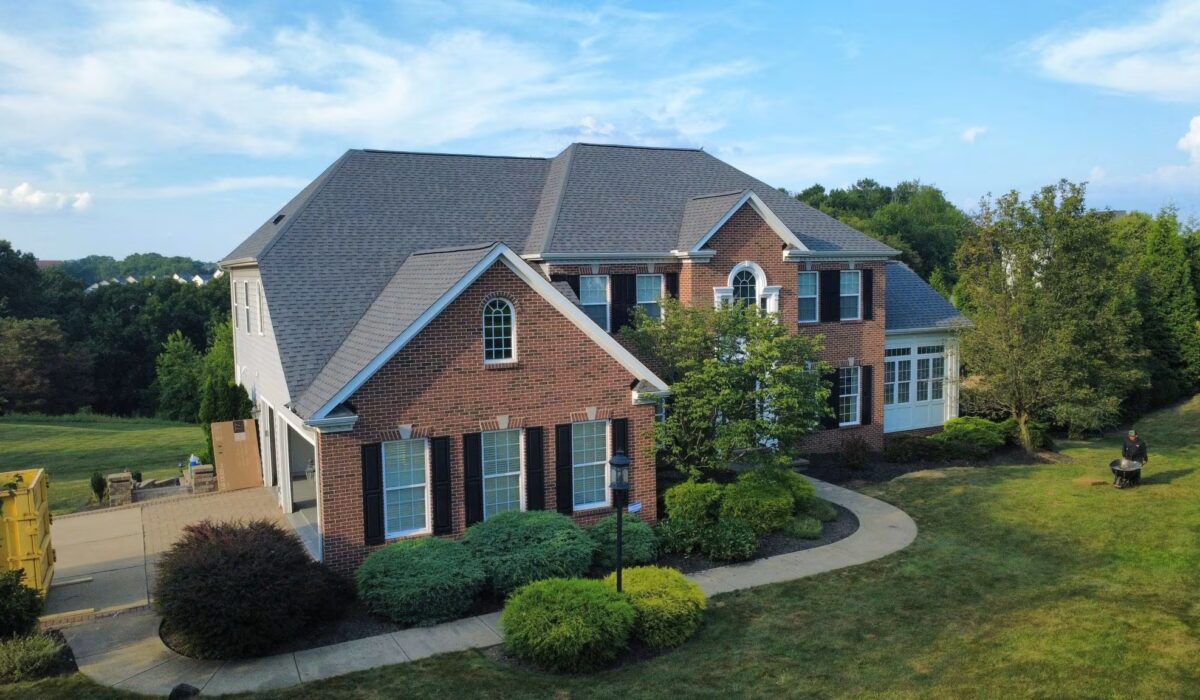
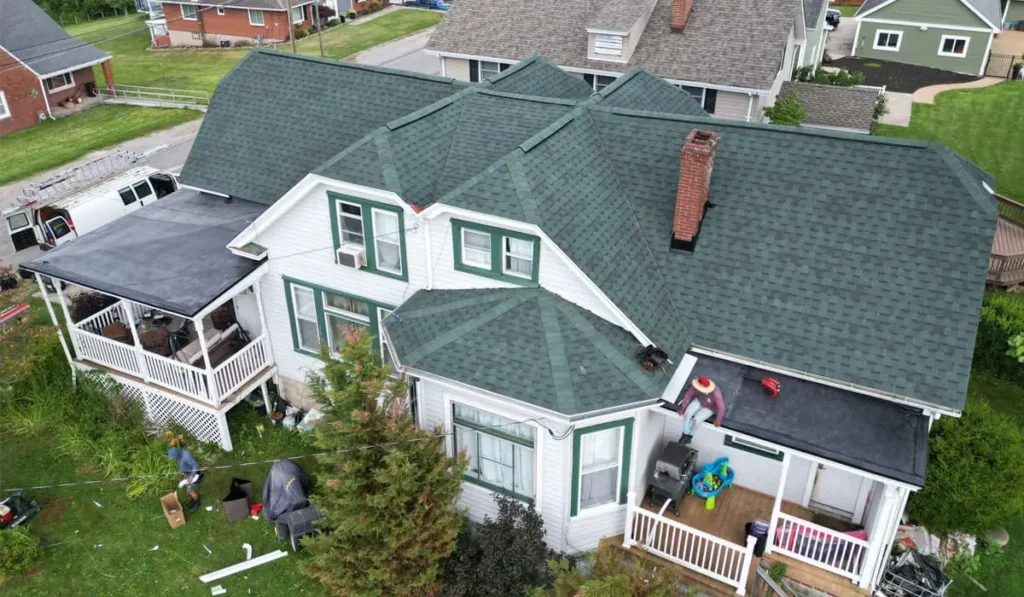
Asphalt shingles account for the vast majority of residential roofs in the United States. They are cost-effective, widely available, and come in a range of styles. The three subtypes are 3-tab shingles, dimensional (architectural) shingles, and luxury shingles. Three-tab shingles are the most budget-friendly, while dimensional shingles offer a thicker profile with better wind resistance.
The main trade-off is lifespan. Most asphalt shingles last roughly 20 to 30 years. That is significantly shorter than metal or tile. However, for homeowners who need a reliable roof at a reasonable price, asphalt remains hard to beat.
Metal Roofing: Built for Durability and Efficiency
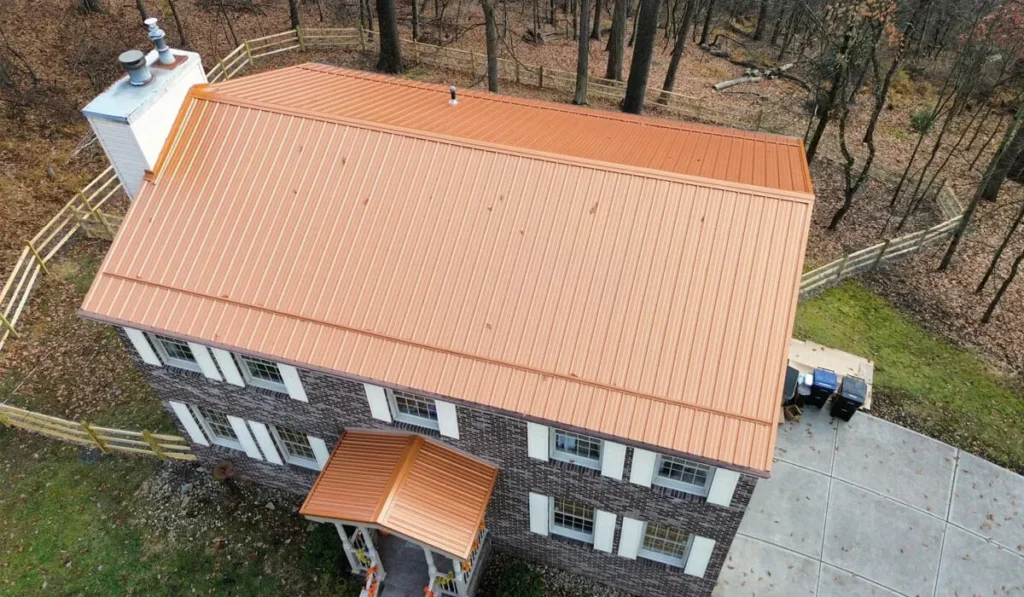
Metal roofing has seen a major surge in popularity over the past decade. It is lightweight, energy-efficient, and can last 50 years or longer with minimal maintenance. Standing-seam panels are the premium option, offering clean lines and superior weather resistance. Corrugated metal panels provide a more budget-friendly alternative while still delivering excellent performance.
One common concern is noise during heavy rain. Modern installation techniques, including solid sheathing and underlayment, have largely eliminated this issue. Metal roofs also reflect solar heat, which can noticeably reduce cooling costs in warmer climates. If you are evaluating types of roofing materials for a long-term investment, metal deserves serious consideration.
Tile and Slate: The Premium Roofing Option
Tile and slate roofing materials represent the top tier of residential roofing. Clay tiles are a hallmark of Mediterranean and Southwestern architecture. Concrete tiles offer a similar aesthetic at a lower cost. Natural slate is among the most durable roofing materials on the planet, with lifespans reaching 100 years or more.
The biggest drawback is weight. Tile and slate are significantly heavier than asphalt or metal, and many homes require structural reinforcement before installation. These materials are also fragile under foot traffic, making repairs more complex. The upfront cost is high, but the long-term value is undeniable for homeowners committed to quality.
Comparing the Three Main Types of Roofing at a Glance
| Feature | Asphalt Shingles | Metal Roofing | Tile / Slate |
|---|---|---|---|
| Average Lifespan | 20 – 30 years | 50+ years | 50 – 100+ years |
| Upfront Cost | Low | Moderate to High | High |
| Maintenance | Moderate | Low | Low |
| Weight | Light | Lightweight | Very Heavy |
| Energy Efficiency | Standard | High (reflective) | Good (thermal mass) |
| Fire Resistance | Moderate | High | Excellent |
| Best For | Budget-conscious builds | Long-term performance | High-end, lasting style |
What Are the Three Primary Roof Designs?
When people talk about roofing, they often focus on materials. But the shape of your roof matters just as much. The three primary roof designs are gable, hip, and flat. Gable roofs feature two sloping sides that meet at a ridge, forming that classic triangular shape. Hip roofs slope on all four sides, creating a more stable structure that handles high winds well.
Flat roofs carry a slight pitch for drainage and are common in modern residential and commercial architecture. Understanding the difference between flat vs sloped roofing is critical when selecting materials, since not every material works on every roof shape. For a deeper look at material options, read this Comprehensive Guide to Choosing the Best Roof Materials.
What Is the 25% Rule in Roofing?
The 25% rule is a building code guideline, most commonly associated with Florida, that affects repair and replacement decisions. If more than 25% of your total roof area is repaired, replaced, or recovered within a 12-month period, the entire roofing system may need to be brought up to current building code standards. This can turn a minor repair into a full replacement project.
What Is a Type 3 Roof?

A Type 3 roof refers to a building construction classification under the International Building Code, not a roofing material. Type III construction features noncombustible exterior walls, typically brick or masonry, paired with interior elements and a roof system that may be wood-framed. This is sometimes called “ordinary construction” and is found in schools, mixed-use buildings, and older commercial structures.
For homeowners, the takeaway is that construction type influences which roofing system types are permitted under local code. Always consult your local building department or a licensed contractor to confirm what is allowed.
Other Notable Roofing Options Worth Considering
Wood Shakes and Shingles
Wood shakes and shingles offer a natural, rustic aesthetic that many homeowners love. Cedar is the most popular species, providing decent insulation properties. The downside is maintenance. Wood requires regular treatment to resist moisture, mold, and insects, and it lacks the fire resistance of other types of roofing materials unless specially treated.
Flat and Low-Slope Membrane Roofing
For modern homes and commercial buildings, membrane roofing systems like TPO, EPDM rubber, and PVC are the standard choice for flat or low-slope applications. These materials are designed to create a watertight seal across the entire roof surface. They are lightweight, relatively affordable, and well-suited for buildings where a traditional sloped roof is not practical. According to This Old House, even roofs that appear flat still require a slight slope to ensure proper drainage.
How to Choose the Right Roofing Material for Your Home
Start with climate. If you live in an area with heavy snow, steep-sloped asphalt or metal performs well. In hot, sunny regions, metal roofing or clay tile can reduce cooling costs. In hurricane-prone zones, metal and properly installed hip roofs tend to outperform other options.
Next, consider your budget and timeline. Asphalt gives you the lowest entry cost, but you may replace it twice in the time a single metal roof would last. Think about total cost of ownership, not just installation price. Finally, check local building codes and HOA guidelines before you commit.
Choosing a roof does not have to feel overwhelming. Focus on the three main types of roofing, understand what each one offers, and match the material to your home’s needs. A well-chosen roof pays for itself in comfort, protection, and peace of mind for decades to come.