
If you own property in Pittsburgh, you already know the weather does not go easy on your roof. Heavy snowfall, freezing rain, and sudden temperature swings put constant stress on roofing materials. I have seen firsthand how a small, unnoticed leak can quietly grow into a serious structural problem. The good news is that most roof leaks are entirely preventable when you know what to look for.
This guide breaks down the most common reasons roofs leak in Pittsburgh, what it costs to fix them, and how to protect your property. Whether you are dealing with commercial roofing problems on a large building or patching up a residential home, these insights apply across the board.
What Is the Most Common Source for Roof Leaks?
Failed flashing accounts for roughly 70% of all roof leaks. Flashing is the thin metal material installed around chimneys, vents, skylights, and wall intersections. Its job is to redirect water away from vulnerable seams. Over time, the sealant holding flashing in place cracks and separates, and Pittsburgh’s freeze-thaw cycles accelerate this process significantly.
When flashing fails, water finds the path of least resistance directly into your building. This is especially problematic for flat roof leak issues on commercial properties, where standing water pools around improperly sealed penetrations. A qualified roofer should inspect all flashing points at least once a year.
How Ice Dams and Pittsburgh Winters Cause Common Causes of Roof Leaks in Pittsburgh

Ice dams form when heat escaping from your attic melts snow on the upper portion of your roof. That water runs toward the eaves, refreezes, and creates a ridge of ice that traps additional water behind it. The trapped water has nowhere to go except under your shingles.
Preventing ice dams starts in the attic. Proper insulation keeps warm air inside your living space, and adequate ventilation allows cold air to circulate under the roof deck. These two steps alone eliminate most ice dam problems.
Broken Shingles, Clogged Gutters, and Other Causes of Roof Leaks in Pittsburgh
Wind, hail, and age take a toll on shingles. Missing or cracked shingles expose the roof deck to rain and snow, and the damage compounds quickly. Replacing damaged shingles immediately is one of the simplest things you can do.
Clogged gutters are another major contributor to commercial roof leak causes Pittsburgh property owners frequently overlook. When gutters fill with debris, water backs up under the roofline and saturates the decking. Clean your gutters twice a year and consider installing gutter guards.
Skylight and Vent Leaks That Go Unnoticed
Pipe boots are the rubber gaskets sealing plumbing vents on your roof. UV exposure and temperature swings cause them to crack over several years. Once the seal breaks, water drips into your attic without any visible exterior damage. Skylights present a similar risk when aging seals allow water in during heavy rain or snowmelt.
What Is the 25% Rule in Roofing?
The 25% rule helps determine whether your roof needs a repair or a full replacement. If 25% or more of your roof area is damaged, most building codes and professionals recommend replacing the entire roof rather than patching sections. When a quarter of the roof has failed, the remaining sections are likely approaching the same level of deterioration.
For Pittsburgh property owners, severe weather can push a roof past that threshold in a single storm. A professional inspection can measure the damage and help you decide between a targeted repair and a complete replacement.
Will Homeowners Insurance Pay for a Leaky Roof?
Homeowners insurance typically covers roof leaks caused by sudden, accidental events like windstorms, hail, fallen trees, or the weight of ice and snow. If a severe Pittsburgh storm tears off shingles, your policy will likely help cover repair costs minus your deductible.
However, insurance will not cover leaks caused by wear and tear, lack of maintenance, or gradual deterioration. Routine maintenance protects your property and preserves your insurance eligibility when you actually need it.
What Is the Average Cost to Fix a Roof Leak?
The cost of fixing a roof leak depends on several factors, including the severity of the damage, the type of roofing material, and whether structural repairs are needed. A minor fix like replacing a few shingles will cost far less than addressing widespread water damage or rotted decking. Location matters too. Pittsburgh’s seasonal demand spikes, especially after winter storms, can push labor costs higher than usual.
The best way to keep repair costs low is to catch problems early. A small leak that goes unaddressed for months will almost always become a much larger, more expensive project. Getting a professional inspection and quote before the damage spreads gives you the clearest picture of what you are working with.
How to Prevent Roof Leaks in Pittsburgh Before They Start
Schedule Annual Professional Inspections
A trained roofer can spot cracked sealant, lifting flashing, and subtle shingle damage invisible from the ground. For buildings dealing with flat roof leak issues, inspections are critical since pooling water on flat surfaces accelerates deterioration fast.
Maintain Your Gutters and Drainage Systems
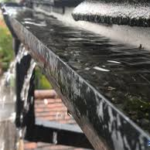
Cleaning gutters in spring, fall, and after major storms keeps water flowing away from your roofline. For commercial properties, ensuring downspouts and internal drainage remain clear is essential to avoiding commercial roof leak causes Pittsburgh businesses deal with regularly.
Prioritize Attic Ventilation and Insulation
Poor ventilation traps heat and moisture, degrading materials from the inside out. In winter, that trapped heat creates ice dams. Proper airflow and insulation keep your roof temperature consistent and energy bills lower.
The Long-Term Costs of Ignoring Roof Leaks
A small leak might not seem urgent. But hidden damage adds up fast. Water entering through the roof can rot structural framing, destroy insulation, promote mold growth, and damage electrical systems. What starts as a minor repair can become a major renovation project in just a season or two. For a detailed breakdown, read The Hidden Costs of Neglecting Roof Leaks in Pittsburgh.
For commercial property owners, commercial roofing problems can disrupt operations, damage inventory, and create liability issues. According to the EPA, mold from water intrusion poses real health risks to building occupants, making timely repairs both a financial and safety priority.
When to Call a Professional Roofer in Pittsburgh
If you notice water stains on ceilings, musty odors in your attic, peeling paint near the roofline, or visible shingle damage after a storm, call a professional. Trying to patch a leak yourself might save money short-term, but improper repairs often void warranties and worsen the problem.
Working with a local Pittsburgh roofer who understands our climate makes a real difference. They know where to look, what materials hold up best, and how to address the specific challenges our weather creates. Investing in professional expertise upfront almost always costs less than dealing with the consequences later.