Malick Brothers Exteriors delivers top-quality roofing and exterior solutions to protect and enhance your home. Serving Pittsburgh and Southwest PA, we’re committed to craftsmanship and customer satisfaction.
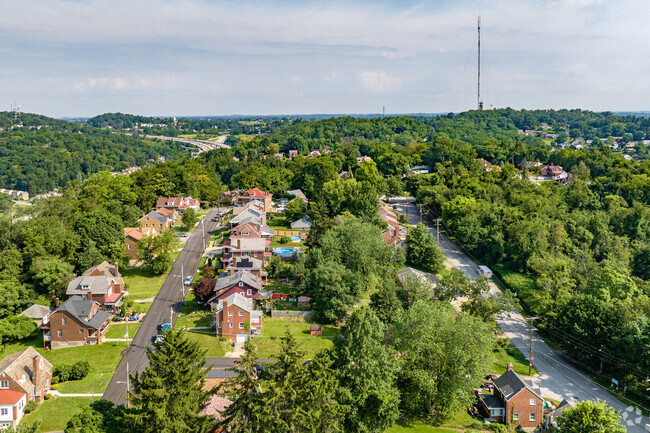
Proper roof maintenance is essential for homeowners in Pittsburgh, especially in neighborhoods like Summer Hill where weather conditions can vary greatly throughout the year. To help you keep your roof in optimal condition, we've put together a seasonal guide for maintaining roofs in Summer Hill:
Spring:
– Inspect your roof for any damage caused by winter weather, such as missing or damaged shingles.
– Clean gutters and downspouts to ensure proper drainage.
– Trim back any overhanging tree branches to prevent damage to your roof.
Summer:
– Check for signs of algae or moss growth on your roof and remove if necessary.
– Inspect the attic for signs of leaks or water damage.
– Consider installing a roof coating to protect against UV damage.
Fall:
– Clean leaves and debris from your roof and gutters.
– Check flashing around chimneys, vents, and skylights for damage.
– Schedule a professional roof inspection before winter begins.
Winter:
– Remove snow from your roof using a roof rake to prevent ice dams.
– Keep gutters clear of ice and debris to prevent water backup.
– Insulate your attic to prevent heat loss, which can contribute to ice dam formation.
By following this seasonal guide, you can help prolong the life of your roof and prevent costly repairs. Remember, regular maintenance is key to a healthy roof in Summer Hill.
The best time for roof repairs is typically late spring or early fall. During these seasons, weather conditions are generally mild and dry, allowing for safer and more effective repairs.
What seasonal factors affect roof repairs?
Seasonal factors significantly impact roof repairs. Weather conditions such as snow, rain, and extreme temperatures can influence the timing and necessity of repairs, while seasonal debris and moisture can accelerate deterioration, making regular inspections essential.
How do weather conditions influence roof repairs?
Weather conditions significantly influence roof repairs by determining the best times for maintenance and the materials used. Rain, snow, or extreme temperatures can delay repairs, potentially worsening damage if not addressed promptly.
When should I schedule roof inspections?
Scheduling roof inspections is best done seasonally, typically in spring and fall, and after any significant weather events. Regular inspections help identify potential issues early, ensuring the longevity of your roof and protecting your investment.
What month has the least rain for repairs?
The month with the least rain for repairs is typically August. This drier period allows for optimal conditions to address any necessary roofing work without the interruption of rainfall.
Is summer ideal for roof maintenance?
Summer is an ideal time for roof maintenance. Warmer temperatures and dry conditions allow for effective inspections and repairs, ensuring your roof remains in optimal condition throughout the year.
What time is best for roof inspections?
The best time for roof inspections is during spring and fall. These seasons allow for a thorough examination after harsh winter conditions and before severe summer weather, ensuring that your roof remains in optimal condition year-round.
How does winter affect roof repair timing?
Winter affects roof repair timing by making it more challenging to perform repairs safely and effectively. Cold temperatures, snow, and ice can delay projects, as roofs need to be dry and free of ice to ensure proper installation and bonding of materials.
What seasonal trends impact roof longevity?
Seasonal trends significantly impact roof longevity. Extreme weather conditions like heavy snow, rain, and heat can cause wear and tear, making regular maintenance crucial to protect your roof and extend its lifespan.
When is the peak season for roof repairs?
The peak season for roof repairs typically occurs during late spring and early fall. This is when weather conditions are most favorable, allowing for efficient and effective maintenance work.