Are roof warranties typically transferable?
Most commercial roof warranties can transfer at least once, but the process, fees, and deadlines vary by manufacturer and warranty type. That’s why purchase agreements should include a clause about the roof’s current warranty status, plus who will pay any transfer fee. When in doubt, assume you’ll need to submit a transfer form, show proof of ownership, and clear any open maintenance issues. Plan ahead and you’ll keep coverage continuous during the sale.
What counts as a commercial roofing warranty?
In practice, you’ll encounter three buckets: manufacturer (materials), contractor (workmanship), and extended/system (materials + labor, often through certified installers). Each protects you from different risks. Think of them as layers—materials coverage for defects, workmanship coverage for installation mistakes, and a broader system warranty that can include tear-off, disposal, and sometimes leak response.
Quick comparison table
| Warranty Type | Typical Duration | Transferable? | Notes |
|---|---|---|---|
| Manufacturer (Materials) | 20–50 years | Often once | Covers defects in membranes, shingles, insulation, accessories. |
| Workmanship (Contractor) | 1–10+ years | Sometimes | Installation errors; depends on the contractor and agreement. |
| Extended/System (NDL or similar) | 10–30 years (non-prorated terms early on) | Often | Strongest coverage; usually requires certified contractors and documented maintenance. |
Are Commercial Roofing Warranties Transferable? What Pittsburgh Businesses Need to Know
The short answer: frequently yes, with conditions. A buyer usually must submit a transfer request within a set window—commonly 30–90 days after closing—and pay any applicable fee. Some manufacturers require an inspection or punch-list repairs before approving a transfer. Keep closing timelines tight and assign responsibility for the transfer in writing so nothing slips.
What voids a roofing warranty?
Voids are more common than owners realize and they’re avoidable. The big ones include unapproved repairs, skipped maintenance, or hiring a non-authorized contractor on a system warranty. Poor documentation can also sink a claim. Schedule routine inspections, keep photos and invoices, and make sure any leak call is handled by an approved service crew. Weather damage is typically an insurance matter—not a warranty issue—so involve your carrier when storms strike.
What is the average warranty on a commercial roof?
Expect 10–30 years on many system warranties, with material-only warranties ranging from 20 to 50 years depending on product and assembly. Non-prorated (“NDL”) guarantees are common in the first decade or two, then prorated coverage may apply. When comparing proposals, don’t chase the longest number alone; verify what’s covered, who pays for labor, and any exclusions. A shorter but non-prorated term can be more valuable than a longer, heavily prorated one.
Navigating Commercial Roofing Warranty Transfers in Pittsburgh
Here’s the usual sequence. First, the seller locates the original warranty certificate and maintenance records. Next, the buyer or new owner submits the manufacturer’s transfer form with proof of ownership and any fee. The manufacturer may order an inspection; if minor issues are found, they must be corrected—often by an authorized contractor—before the transfer is finalized. Once approved, you’ll receive updated paperwork reflecting the new owner.
Local realities: why transfers matter more in Pittsburgh
Pittsburgh’s freeze-thaw cycles, lake-effect snow bursts, and wet shoulder seasons stress seams, flashing, and gutters. That’s precisely when a valid warranty and clean maintenance log save time and money. If you operate in food processing, healthcare, or light manufacturing, roof downtime risks lost production and compliance headaches. A clean, transferable roof warranty is not just paperwork—it’s business continuity. For help, talk with a trusted partner in Pittsburgh commercial roofing.
How to keep your coverage intact (and transferable)
Set a maintenance rhythm: spring and fall inspections plus post-storm checks. Log everything—photos, invoices, and who performed the work. Use approved materials and crews for any patch or penetration. Train facilities teams to call your roofing partner before cutting holes for new RTUs or conduits. And when listing a property, have the warranty certificate and maintenance file ready for buyers; it speeds diligence and protects your negotiating position.
Are roof warranties transferable on older roofs?
Age can limit options, but older roofs aren’t automatically excluded. Some manufacturers allow transfers if the roof passes inspection and any deficiencies are addressed. Others cap transfers to the first change of ownership, or only within a set number of years from installation. If you’re acquiring a building with a mid-life roof, negotiate time in the contract to complete the inspection and any punch-list repairs before the transfer window closes.
What happens to my roof warranty if the company closes?
Two scenarios matter. If your installing contractor closes, a manufacturer’s system warranty can still stand—provided maintenance and repair rules are followed with another authorized contractor. If the manufacturer itself exits or is acquired, coverage depends on the terms of the guarantee and the successor company’s policies. This is why financially strong manufacturers and certified programs matter. It’s also why many owners prefer a robust system warranty for long-term certainty.
Claim steps without the headaches
Start with the paperwork: warranty certificate, serials (if any), and maintenance logs. Document the issue—wide photos, close-ups, and the leak path inside. Notify the manufacturer or contractor per the certificate instructions; some require you to open a ticket before any repair is made. For occupancies with sensitive operations, ask your roofing partner to stage temporary protection while the claim is evaluated. From there, follow the authorized repair path to keep coverage intact.
Where a local partner fits in
A local team understands building stock, weather patterns, and permitting, and they know the manufacturer reps who review transfers and claims. They can set you up with planned maintenance, provide emergency response, and keep your file “warranty-ready” all year. If you want a quick primer for your staff, share this homeowner-friendly explainer—What Pittsburgh Homeowners should know about Roofing Warranties—as an easy orientation.
When to consider upgrading coverage
If you’re replacing or restoring a roof ahead of a sale, ask whether a system warranty through a certified contractor could boost the listing and ease buyer concerns. Buyers value certainty. An upgraded NDL or extended warranty paired with clean maintenance records can shorten diligence and reduce retrade risk. That’s also a moment to align your service plan with the manufacturer’s maintenance requirements so the next owner enjoys seamless coverage.
Quick FAQs for busy facility teams
Is a system warranty worth it? Often, yes—especially for complex assemblies or critical facilities where labor coverage and faster claim pathways are essential.
Can I transfer a contractor workmanship warranty? Sometimes. It depends on the contractor’s policy and the terms in your agreement.
How often should we inspect? Twice yearly plus after major weather events is a smart baseline.
What if we need to penetrate the roof for new equipment? Call your roofing partner first to avoid voids.
Why this matters during transactions
Warranties influence cap rates, lender comfort, and insurance conversations. A verifiably transferable roof warranty signals disciplined maintenance, lowers perceived risk, and can even support a stronger price. If a seller can’t produce documentation, buyers should budget for an inspection and potential repairs to re-qualify the system. Good news: with a bit of foresight, most commercial roofing warranties remain assets—not obstacles—during a sale.
Ready for next steps in Pittsburgh?
If you want a straight answer on transferability—or a fast inspection to prep for a sale—connect with a local pro in Pittsburgh commercial roofing. They can review your certificate, flag any gaps, and help submit the transfer on time. You’ll also find guidance on getting a truly transferable roof warranty that fits your building’s use, budget, and risk profile.
Call or Contact
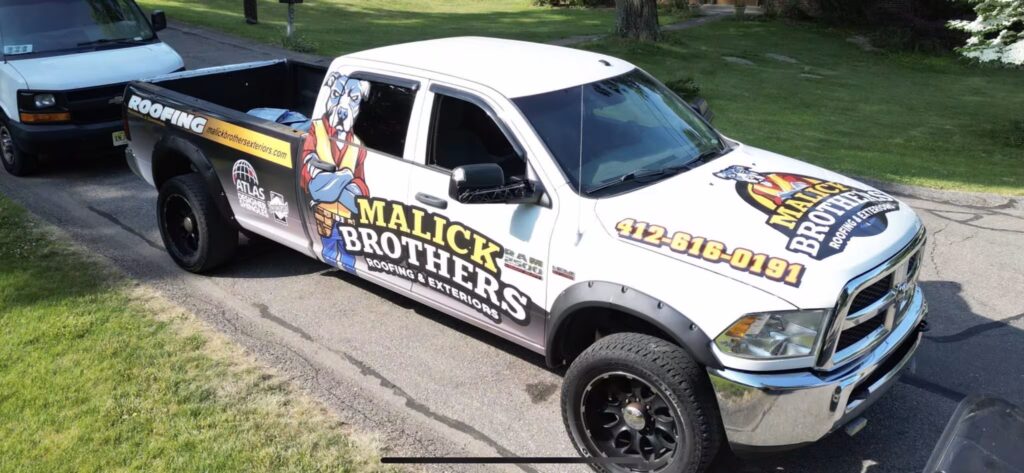
Malick Brothers Exteriors: (412) 616-0191 • Contact page: https://malickbrothersexteriors.com/contact/
For more on system standards, the NRCA has a solid primer here: NRCA Roofing Guidelines.