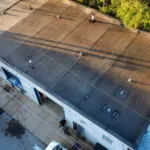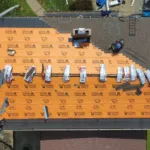
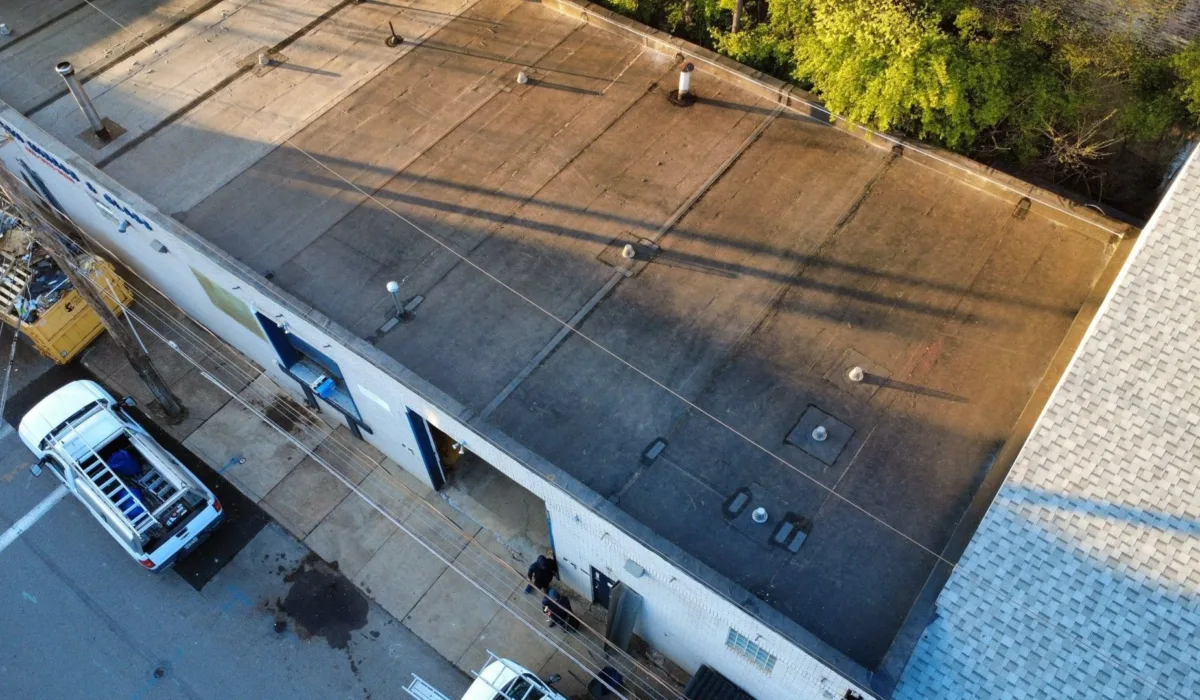
A commercial roof insurance claim starts long before you call your carrier. It starts with what you do in the first day after a storm, what records you already keep on the roof, and whether the roofer you bring in documents the damage honestly. We are a family owned roofing company based in West View, and we handle commercial roofing in Pittsburgh on warehouses, apartment buildings, churches, shops and small office buildings across the North Hills and the city. This guide explains what commercial property policies usually cover and exclude, how to document storm damage so the claim holds up, what the adjuster process looks like, and what a roofer can and cannot do for you during a claim.
Up front: we are roofers, not agents, adjusters or attorneys. Your policy and your carrier decide what is covered. Our job is to find the damage, document it accurately, write a clear scope and fix the roof correctly.
What a Commercial Property Policy Usually Covers on a Roof
Most commercial property policies in Pennsylvania cover direct physical loss from a sudden, identifiable event. For a roof, that usually means:
- Wind damage, including lifted or torn membrane, blown off edge metal, flashing and coping, and shingles or metal panels pulled loose
- Hail impact on membranes, coatings, skylights, HVAC curbs and gutters
- Falling trees or limbs and wind blown debris
- Weight of ice and snow when it causes a collapse or structural damage
- Fire, lightning and vandalism
- Resulting interior damage, such as wet ceiling tiles, insulation and inventory, when the roof opening was caused by a covered event
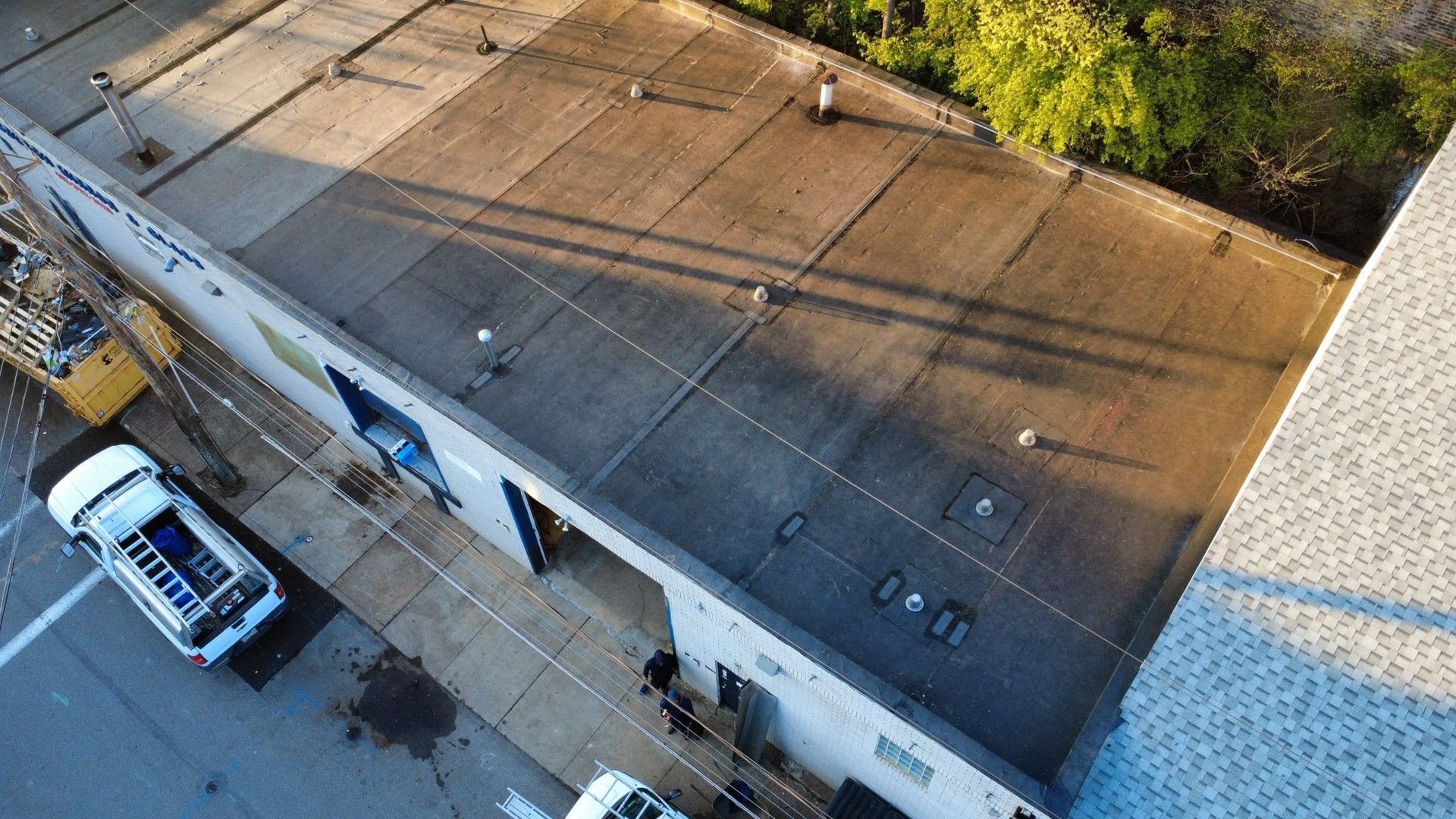
How the carrier pays depends on whether the policy is written on a replacement cost value (RCV) or actual cash value (ACV) basis. RCV pays what it costs to put the roof back with like materials today, usually in two parts, with the depreciation released after the work is complete. ACV subtracts depreciation for the age and condition of the roof and pays only the depreciated amount. On a 20 year old built up or EPDM roof, that difference can be the whole decision between repairing and replacing. If you do not know which basis your building is on, ask your broker before the next storm, not after.
What Commercial Roof Insurance Usually Excludes
This is where most denied commercial roof insurance claims come from. Carriers do not pay for a roof that simply reached the end of its life, and the adjuster will be looking for reasons to call the damage gradual rather than sudden. Common exclusions and limits include:
- Wear and tear and deterioration. Alligatored coatings, shrunk EPDM pulling off the walls, open seams that have been leaking for years and rusted through metal panels are maintenance problems, not covered losses.
- Ponding water. Standing water that never drains is treated as a design or maintenance issue even when it finally causes a leak.
- Faulty workmanship and defective materials. If the previous installer did it wrong, that is a warranty or contractor matter, not an insurance claim.
- Cosmetic damage. Many policies now carry a cosmetic exclusion for metal roofs, so hail dents that do not break the panel finish may not be paid.
- Separate wind and hail deductibles. These are often a percentage of the insured building value rather than a flat dollar amount, which changes the math on a smaller claim.
A well maintained roof with records is far easier to claim on than a neglected one, because without an inspection history you cannot counter the argument that the roof needed replacement anyway. The Pennsylvania Insurance Department publishes consumer guidance and a complaint process at insurance.pa.gov.
Pittsburgh Weather and What It Does to Commercial Roofs
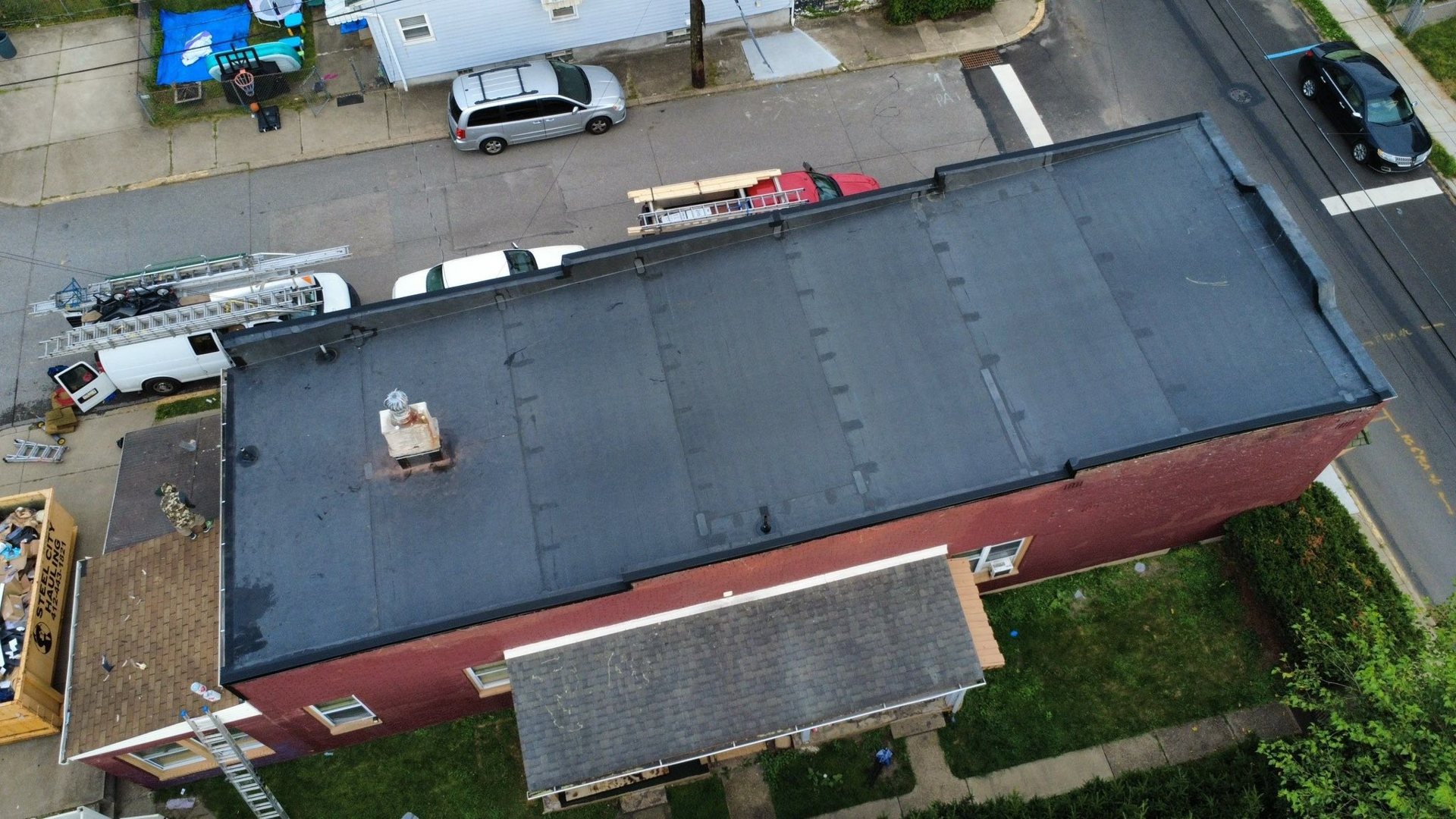
The events we see most often on commercial roofs around Pittsburgh are straight line wind from spring and summer thunderstorms, freeze and thaw from November through March, heavy wet snow on low slope roofs, and ice backing up in box gutters and scuppers. Wind peels membranes at the perimeter first, which is why edge metal, termination bars and coping are the first things we photograph after a storm.
Date of loss matters to the carrier. The National Weather Service office in Pittsburgh keeps event records and storm reports at weather.gov/pbz, and pulling the report for the date you are claiming is a simple way to show the carrier that a wind or hail event actually hit your area that day.
How to Document Storm Damage on a Commercial Roof
The burden of proof is on you, the policyholder. The carrier is not obligated to go looking for damage you did not show them. Here is the documentation routine we follow and recommend to every building owner.
In the first 24 to 48 hours
- Keep people safe. Rope off areas under loose edge metal and do not send untrained staff onto a wet low slope roof.
- Photograph before anyone touches anything. Wide shots of the whole section, mid range shots that show where you are, and close ups with a tape measure for scale, all date stamped.
- Stop the water, but keep the evidence. Policies require you to prevent further damage, so tarp and patch, but photograph the damage first, then the temporary repair, and keep every receipt.
- Write down the date and time the damage was discovered and, if known, the date of the storm.
- Record the interior. Stained ceiling tiles, wet insulation and damaged inventory are part of the loss. Photograph them in place before cleanup.
Before you file
- Pull your policy declarations page and any roof related endorsements so you know the deductible, the valuation basis and the reporting deadline.
- Gather any inspection reports, maintenance invoices and the original installation records for the roof. These are what defeat the wear and tear argument.
- Have a commercial roofer inspect the full system: field membrane, seams, flashings, drains, scuppers, curbs, parapets, coping and the insulation underneath. Wet insulation does not show from the surface and is the most commonly missed item on a claim, so we use probe cuts and moisture testing where the owner approves.
- Get a written, itemized scope of work with measurements and photos keyed to each line item. A one line "replace roof" estimate gives the adjuster nothing to work with.
If you are not sure the damage rises to the level of a claim, a roof inspection before filing costs you nothing but a phone call and keeps a questionable claim off your loss history.
The Commercial Roof Insurance Claim Process, Step by Step
- Notify the carrier. Call the claims line or your broker and report the date of loss, the cause and the general extent of damage. You will receive a claim number.
- Adjuster assignment. The carrier sends a staff or independent adjuster, and on larger losses sometimes an engineer.
- The adjuster inspection. Have your roofer on site. The adjuster walks the roof, takes photos and measurements and tests for damage; your roofer points out what they found so items are not left off the estimate.
- The carrier estimate. The adjuster writes an estimate, usually in Xactimate, listing the covered repairs and the dollar figures. Compare it line by line against your roofer's scope.
- Negotiation and supplements. If items are missing or quantities are wrong, your roofer submits a supplement with the supporting photos. Hidden damage found during tear off, such as saturated insulation or rotted decking, is also submitted as a supplement after the fact.
- Settlement and payment. On an RCV policy the first check is the ACV amount less the deductible. The recoverable depreciation is released after the work is finished and the invoice is submitted.
- The repair or replacement. Choose your contractor and materials, sign a contract and schedule the work. If the claim is denied or you disagree with the settlement, you can ask for a reinspection, invoke the appraisal clause, hire a public adjuster or complain to the Pennsylvania Insurance Department.
What an Honest Roofer Does During a Claim, and What We Will Not Do
Storms bring out contractors who promise a free roof. Here is how we support a claim, and the lines we do not cross.
What we do:
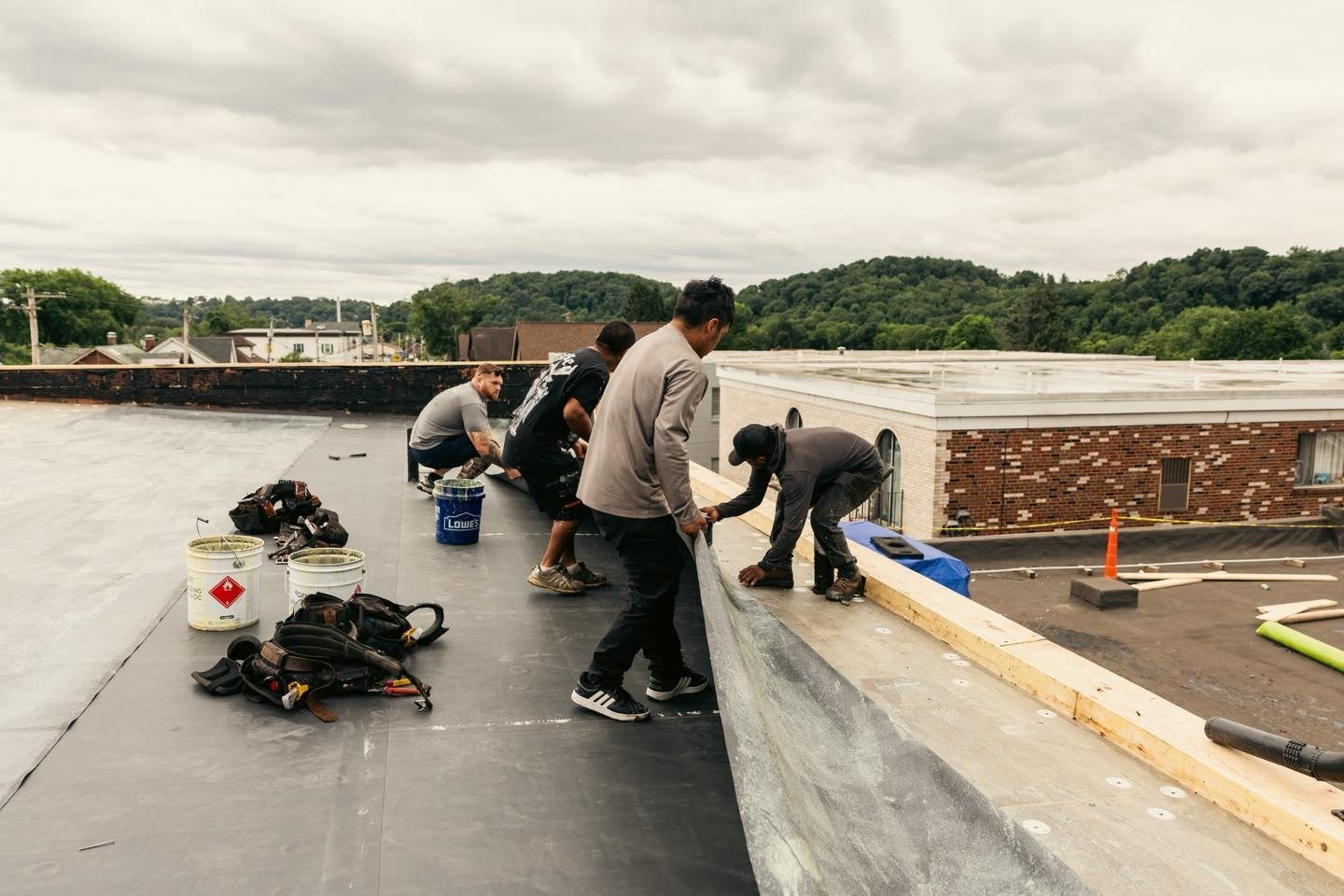
- Inspect the whole roof system and document it with dated photos and measurements
- Give you a written opinion on whether the damage looks storm related or looks like wear, even when that is not what you want to hear
- Write an itemized scope of work you can hand to the adjuster
- Meet the adjuster on the roof and walk them through what we found
- Submit supplements for hidden damage found during the work, with photos
- Provide our certificate of insurance, PA HIC registration PA174918 and manufacturer credentials on request
- Install the roof to the manufacturer specification so the warranty is valid
What we will not do:
- We will not promise the claim will be approved or tell you what the carrier will pay. Nobody outside the carrier can.
- We will not waive, absorb or "handle" your deductible. The deductible is yours under the policy, and a contractor who offers to pay it or inflate the invoice to cover it is proposing insurance fraud. Walk away from that offer.
- We will not inflate scope with items that were not damaged.
- We will not ask you to sign an assignment of benefits or a contract before the claim is settled that locks you into us regardless of the outcome.
Before you hire any roofer for insurance work, verify their registration on the Pennsylvania Attorney General HIC lookup, ask for the certificate of insurance directly from their carrier, and ask for addresses of commercial jobs you can drive past.
Repair or Replace: How Materials and Credentials Affect the Claim
The adjuster's estimate is based on like kind and quality. If you have a .060 EPDM roof, the estimate is for .060 EPDM, and any upgrade is usually on you, so settle that with your roofer before the scope is final.
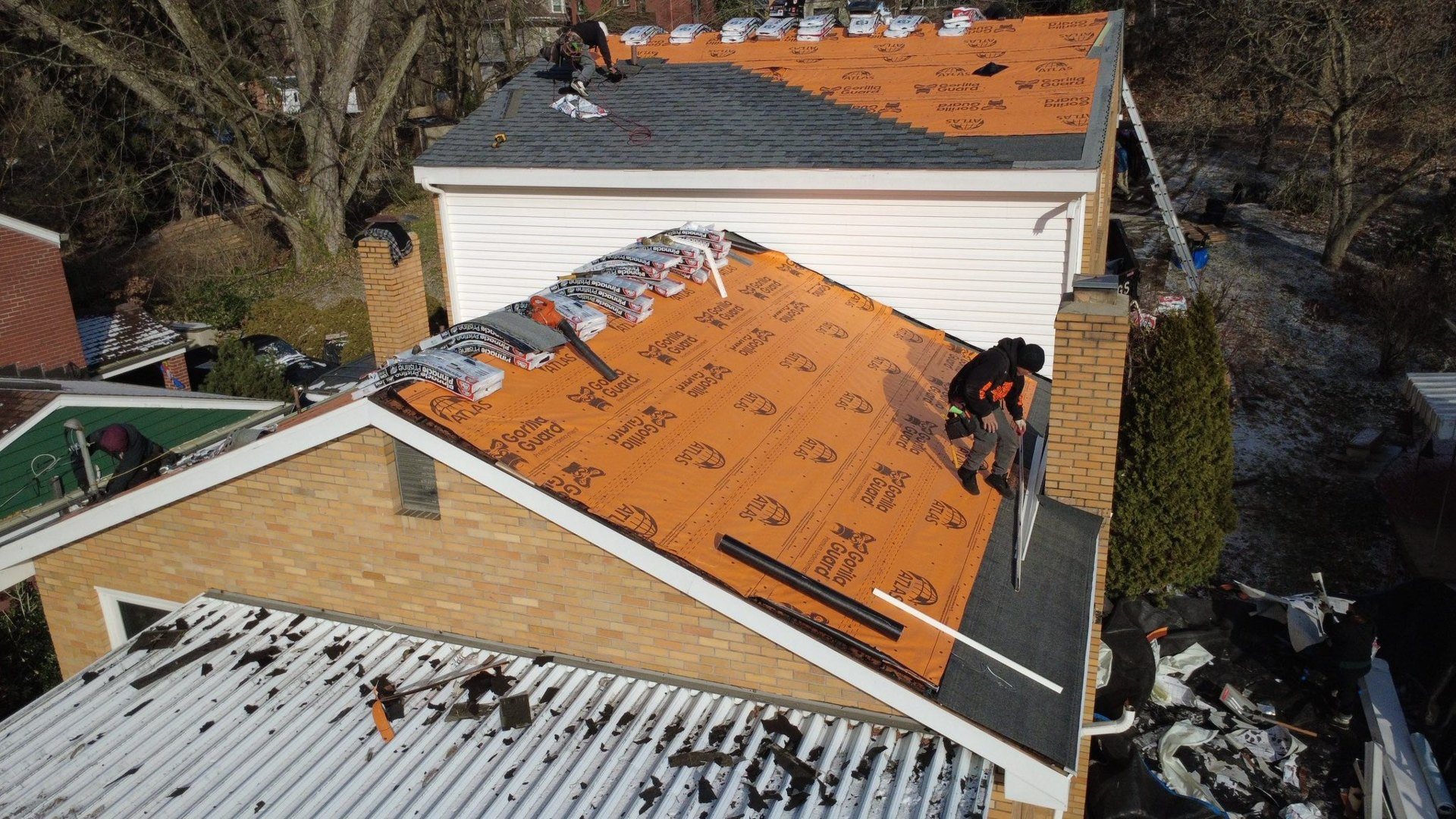
We are MuleHide certified for EPDM, two ply low slope systems and silicone coatings, and we install metal roofing on commercial buildings that want a longer service life. A certified installation carries a manufacturer warranty that an uncertified one does not.
Where the carrier approves only a repair but the roof is at end of life, many owners put the claim payment toward a full replacement and finance the balance. Our financing page explains the options.
Frequently Asked Questions
Should I file an insurance claim for a commercial roof?
File when the damage is sudden, storm related and clearly larger than your deductible. Have a roofer inspect first and give you a written opinion. Filing a small claim, or one the carrier is likely to call wear and tear, adds to your loss history without paying anything, and that history affects renewal pricing.
How long do I have to file a commercial roof claim in Pennsylvania?
Your policy sets the notice requirement, and most say prompt notice or a specific window after the loss. Report the damage as soon as you find it. Waiting invites the carrier to argue the damage grew through neglect. Keep your dated photos from the day you discovered the damage regardless of when you file.
Does insurance cover a leaking flat roof?
Only if the leak came from a covered event such as wind or hail. A leak from a shrunk membrane, an open seam that aged out, or ponding water is treated as maintenance and is normally excluded. This is why documentation of the storm and of the roof condition before the storm decides most flat roof claims.
What is the difference between replacement cost and actual cash value on a roof?
Replacement cost pays to put the same type of roof back at current cost, with the depreciation held back until the work is done. Actual cash value pays the depreciated worth of the old roof and nothing more. Older commercial roofs on ACV policies often receive far less than a replacement costs, so check your declarations page now.
Can a roofer pay or waive my deductible?
No. The deductible is your share under the policy, and a contractor who offers to cover it, or to pad the invoice so the carrier pays it, is proposing insurance fraud that exposes you as well as the contractor. We quote the work honestly and the deductible stays yours.
Do I need a public adjuster for a commercial roof claim?
Not for most claims. A roofer with a clear, itemized scope and good photos is usually enough. A public adjuster, who is licensed by the state and works for you for a percentage of the settlement, makes sense on large or disputed losses where the carrier estimate is far from the real cost of repair.
Need a Roof Inspection Before You Call Your Carrier?
If a storm hit your building, we will inspect the roof, photograph and measure the damage, give you a straight answer on whether it looks like a claim, and put together a scope the adjuster can use. We are family owned, BBB A+ accredited and based at 500 Perry Highway in West View. Contact Malick Brothers Exteriors to schedule a commercial roof inspection anywhere in the Pittsburgh area.