Table of Contents
Pittsburgh homeowners know our weather rarely cooperates with construction schedules. One day it’s sunny, the next you’re watching storm clouds roll over the Monongahela. So what happens when rain catches your roofing project mid-installation? The short answer is that roofing felt getting wet isn’t automatically a disaster, but it does require careful management from your contractor.
Roofing felt, also called tar paper or underlayment, is designed to repel water temporarily. It acts as your roof deck’s backup defense while shingles are being installed. The material sheds rain rather than absorbing it immediately, thanks to its asphalt coating. However, this water resistance has limits. Prolonged saturation weakens the felt, causes wrinkling, and can create problems that surface months later.
Understanding What Happens When Roofing Felt Gets Wet in Pittsburgh
When roof felt underlayment encounters rain during installation, several things happen. First, the bitumen coating causes water to bead and roll off rather than soak through. Brief exposure to light rain typically causes no lasting damage, and the material will dry once the sun returns.
Problems begin when felt stays wet for extended periods. Organic felt made from wood fibers absorbs moisture over time, causing it to wrinkle and lose structural integrity. These deformities prevent shingles from laying flat and sealing properly. Wet felt is also more prone to tearing under foot traffic.
Trapped moisture presents another serious concern. If shingles are installed over very wet felt, that moisture has nowhere to go. When the sun heats your roof, trapped water creates vapor pressure that can cause blistering and mold growth.
Is Commercial Roofing a Hard Job?
Make no mistake: roofing ranks among the most physically demanding trades in construction. A survey by CraftJack found that roofing topped the list as the most physically grueling contractor job. The work demands strength, stamina, and the ability to perform precise tasks while working at dangerous heights.
Commercial roof underlayment installation adds complexity. Commercial roofs are typically flat or low-slope, which changes waterproofing requirements. Roofers must work with different materials and drainage considerations. They also face exposure to extreme temperatures, from scorching summer heat to bitter Pittsburgh winters.
What Are the Three Main Components of a Commercial Roofing System?
Understanding your roof’s anatomy helps you evaluate contractor proposals more effectively. Commercial roofing systems consist of three primary components that work together to protect your building.
| Component | Function | Examples |
|---|---|---|
| Weatherproofing Layer | Primary barrier against water intrusion | TPO, PVC, EPDM, modified bitumen |
| Reinforcement | Adds strength and puncture resistance | Polyester, fiberglass scrim |
| Surfacing | Protects from UV and weather damage | Granules, gravel, coatings |
Can Roofing Felt Get Wet During Installation Without Causing Problems?
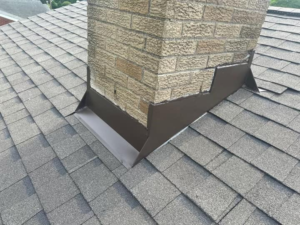
Yes, but context matters enormously. Brief exposure to light rain rarely causes permanent damage if felt is allowed to dry completely before shingling continues. Quality synthetic underlayments handle moisture better than traditional organic felt and dry much faster.
Professional roofing felt Pittsburgh contractors know how to manage wet conditions. Experienced crews monitor weather forecasts closely. When unexpected rain threatens, they immediately tarp exposed sections. After storms pass, they allow adequate drying time before resuming installation.
The National Roofing Contractors Association recommends that underlayment be dry before shingles are applied. Drying time depends on conditions, but 24 hours of direct sunlight is a reasonable minimum for thoroughly wet felt.
How Often Should a Commercial Roof Be Inspected?
Industry experts recommend commercial roof inspections at least twice annually. The optimal schedule is once in spring and once in fall, timed to catch winter damage and prepare for summer storms. Additional inspections should follow any significant weather event.
Regular inspections help maintain warranty compliance. Many manufacturers require documented maintenance to honor coverage. For commercial roof underlayment systems, inspections should examine areas where water might pool or penetrate.
Best Practices for Managing Wet Conditions During Installation
Pittsburgh’s climate makes some rain exposure nearly inevitable during extended roofing projects. Here’s what distinguishes professional contractors from those who create problems.
Tarping protocols matter. Responsible crews keep tarps ready and deploy them quickly when weather threatens. They secure tarps properly so wind doesn’t lift them. After rain passes, they inspect for trapped water before removing tarps.
Material selection plays a role too. Synthetic underlayments outperform traditional felt in wet conditions. They’re lighter, stronger, and dry much faster. Ask your contractor what underlayment they use and why.
What Questions Should You Ask a Roofing Contractor?
Before signing any contract, arm yourself with questions that reveal experience and professionalism. Start with basics: are they licensed, bonded, and insured? Verify credentials independently.
Ask specifically about wet weather procedures. How do they monitor forecasts? What triggers a work stoppage? How do they protect exposed areas? Contractors who can’t answer confidently may not have good systems in place. Request references from recent projects and actually call them.
Why Pittsburgh Homes Face Unique Roofing Challenges
Our region’s climate creates specific demands that roofing systems must withstand. Winters bring heavy snow loads, ice accumulation, and freeze-thaw cycles. Summers deliver heat, humidity, and severe thunderstorms.
Ice dams represent a particular concern for Pittsburgh homes. When heat escapes through poorly insulated attics, it melts snow that then refreezes at the eaves. Proper underlayment installation provides critical protection. Learn more in our guide: Why Pittsburgh Homes Need Ice & Water Shield Underlayment.
Humidity promotes mold and moss growth on roofing materials. Proper ventilation helps combat this. When evaluating roofing felt getting wet concerns, remember that trapped moisture creates ongoing problems beyond initial installation.
Protecting Your Investment Through Proper Installation
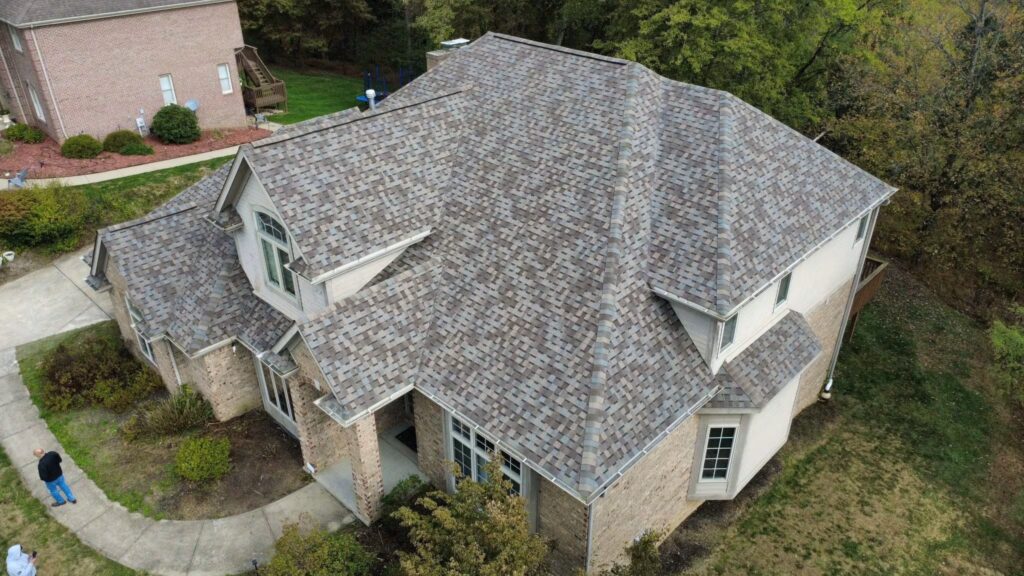
Your roof represents a significant investment. Cutting corners during installation, including rushing work onto wet underlayment, creates problems that may not surface for years. By then, warranty claims may be denied.
Choose contractors who demonstrate patience and professionalism. A crew willing to wait for proper drying conditions shows they prioritize your roof’s long-term performance. Ask detailed questions, verify credentials, and don’t let the lowest bid override your judgment. Understanding what roofing felt Pittsburgh professionals should do when conditions turn wet empowers you to hold your contractor to appropriate standards.