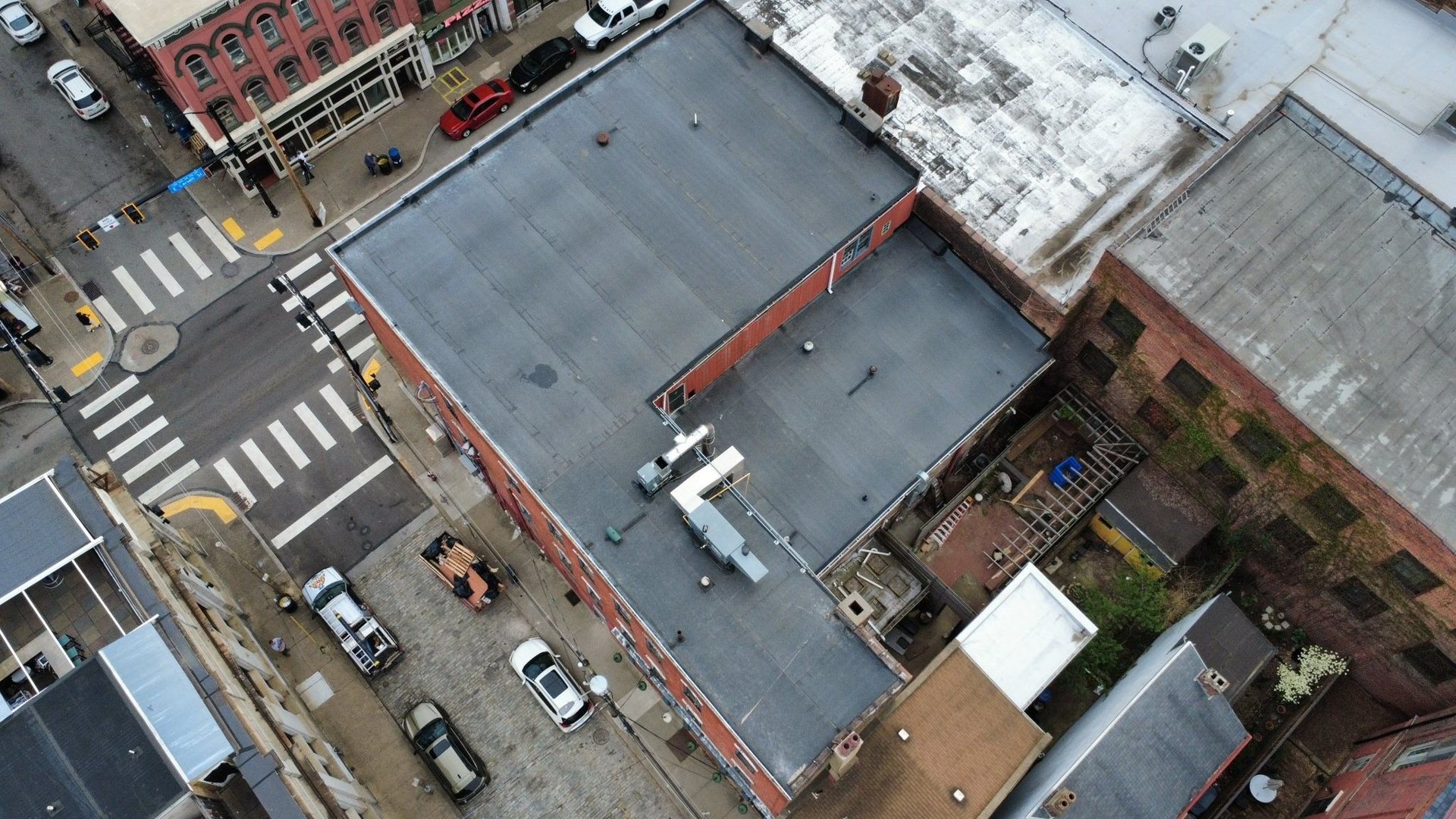
EPDM roofing is a trusted choice for flat and low slope commercial buildings in Pittsburgh because of its durability, flexibility, and long service life. The membrane alone, however, is not enough to keep interior temperatures comfortable or to protect the building structure over time. Insulation beneath the membrane improves efficiency, stabilizes temperature, and extends the performance of the whole roof system. When proper insulation is installed under EPDM roofing, building owners benefit from lower energy costs and a roof that lasts longer.
A properly insulated EPDM system reduces HVAC strain, prevents roof condensation, and helps manage the extreme temperature swings we see in Western Pennsylvania. Without insulation, heat escapes in winter and pours in during summer, which makes interior comfort harder and more expensive to maintain. That is why insulation under EPDM is not just recommended. It is essential.
Why Insulation Matters in EPDM Roofing
Insulation regulates the transfer of heat between the inside of the building and the outdoors. In commercial spaces where comfort and consistent temperatures matter, insulation directly affects operating costs every month of the year. It also creates a stable, even base for the roofing membrane and helps prevent moisture from building up inside the roof assembly.
Proper insulation reduces temperature related stress on the membrane and the seams, which contributes to a longer roof life and fewer repairs over time.
Do You Need Insulation Under EPDM?
Yes. Insulation is a required component of a complete EPDM roof system. The membrane protects against weather, and the insulation is responsible for temperature control and interior comfort. Buildings without insulation under the EPDM often experience uneven temperatures, HVAC overuse, and moisture problems inside the roof assembly.
Commercial energy codes also set minimum insulation levels for roofs, and Pennsylvania follows the national model code. Pittsburgh sits in a cold climate zone, so the required level for a new or replacement roof is higher than it would be in a warm part of the country. Skipping insulation or installing too little can lead to a failed inspection and costly corrections later. On every commercial job we quote, we confirm the insulation requirement with the local code official before the work starts.
What Goes Under an EPDM Roof?
A standard EPDM roofing system includes multiple layers that work together:
- Roof deck
- Vapor barrier, depending on the building and the climate
- Insulation boards
- Cover board
- EPDM membrane
Each layer plays a role in energy efficiency, durability, and longevity.
Does EPDM Need Underlayment?
Most EPDM systems benefit from a cover board above the insulation. This creates a smooth, durable surface for the membrane and reduces damage from foot traffic, dropped tools, and hail. In a climate with high humidity and repeated freeze and thaw cycles like ours, a vapor barrier may also be needed to keep moisture from building up inside the roof system, especially over spaces that generate humidity such as kitchens, laundries, and locker rooms.
Understanding R Value and Climate Zones
R value measures the ability of insulation to resist heat transfer. The correct R value depends on your climate zone and on what the building is used for.
- Cold climates require higher R values to prevent heat loss.
- Warm climates require moderate R values to prevent heat gain.
Pittsburgh is in a cold climate zone, so the code minimum here is on the higher side. Buildings that are heated and cooled all day, such as offices, retail, and apartments, usually benefit from going a little above the minimum because the payback shows up on every utility bill. The U.S. Department of Energy publishes a plain language guide to insulation and R value at energy.gov.
Common Types of Insulation Used Under EPDM
| Insulation type | Benefits | Considerations |
|---|---|---|
| Polyiso | High R value per inch, widely used, lightweight | Rated R value drops a little in very cold temperatures |
| Mineral wool | Excellent fire and moisture resistance | Heavier, may need additional fastening |
| Fiberglass | Cost effective, fire resistant | Loses performance when wet |
| XPS | Strong moisture and compression resistance | Must be protected from UV exposure |
| EPS | Budget friendly and easy to shape | Not naturally fire resistant |
Polyiso is the most common choice on the commercial roofs we install because it gives the most R value for the least thickness, which keeps curbs, flashings, and door thresholds workable on a replacement job.
What Are the Most Common Sources of Failure on EPDM Roofs?
Even durable EPDM systems can fail if the layers beneath the membrane are compromised. The most common issues we find on commercial inspections in the Pittsburgh area include:
- Poor drainage and standing water
- Unprotected foot traffic around rooftop HVAC units
- Incorrect seam or flashing installation
- Wet or damaged insulation beneath the membrane
- Thermal stress from extreme temperature shifts
Wet insulation is especially costly. It loses most of its insulating value, adds weight to the deck, and often requires partial or full replacement of the roof system.
What Pittsburgh Weather Does to a Flat Roof
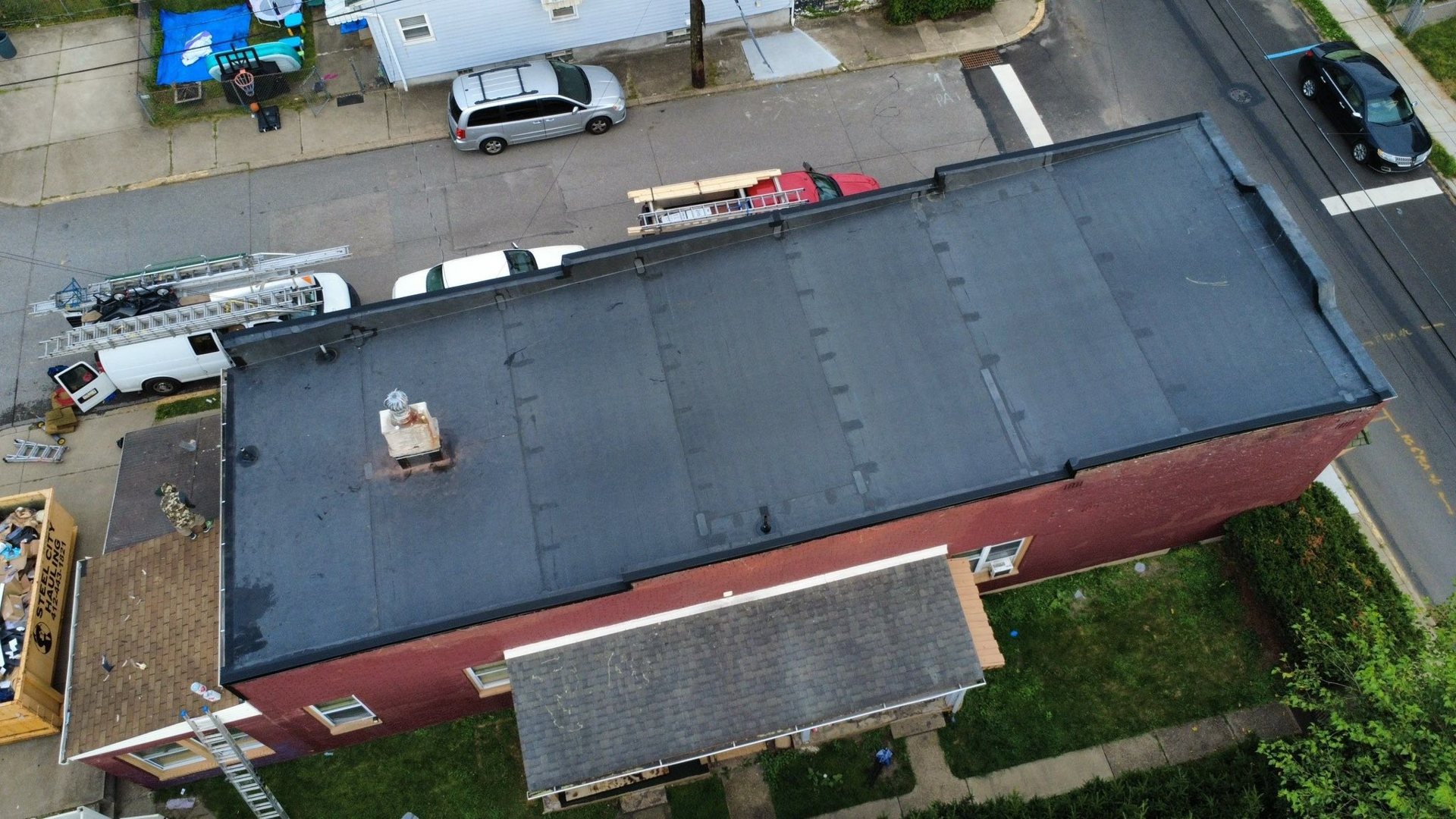
Our region gets heavy snow loads, repeated freeze and thaw cycles each winter, humid summers, and a lot of rain. Snow sits on a flat roof for days and melts slowly into any weak seam, freeze and thaw cycles work water into small gaps, and summer heat drives the surface temperature of a dark membrane well above the air temperature. Insulation and a cover board buffer the membrane from all of this by keeping the deck temperature steady and giving the membrane a firm surface.
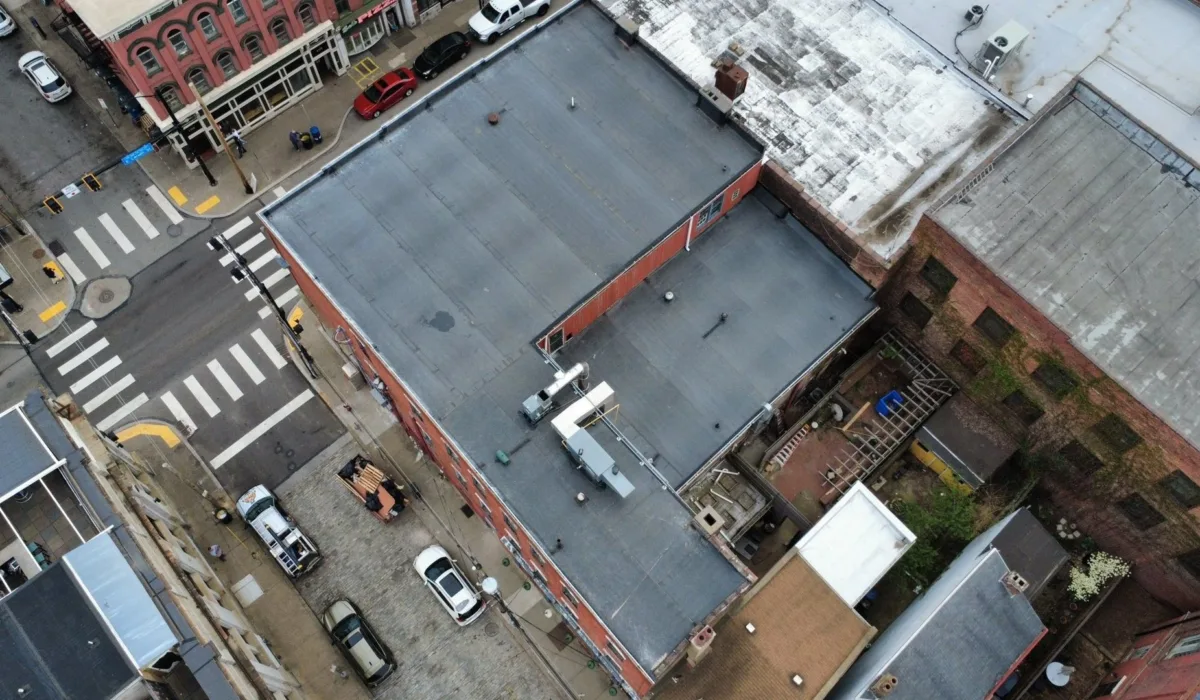
Many of the commercial buildings we work on in the North Hills and around the city are older brick structures with low slope roofs that have been patched for decades. On those roofs, the insulation under the old membrane is the first thing we check, because it tells us whether a repair or a replacement is the honest recommendation.
How We Install Insulation Under EPDM
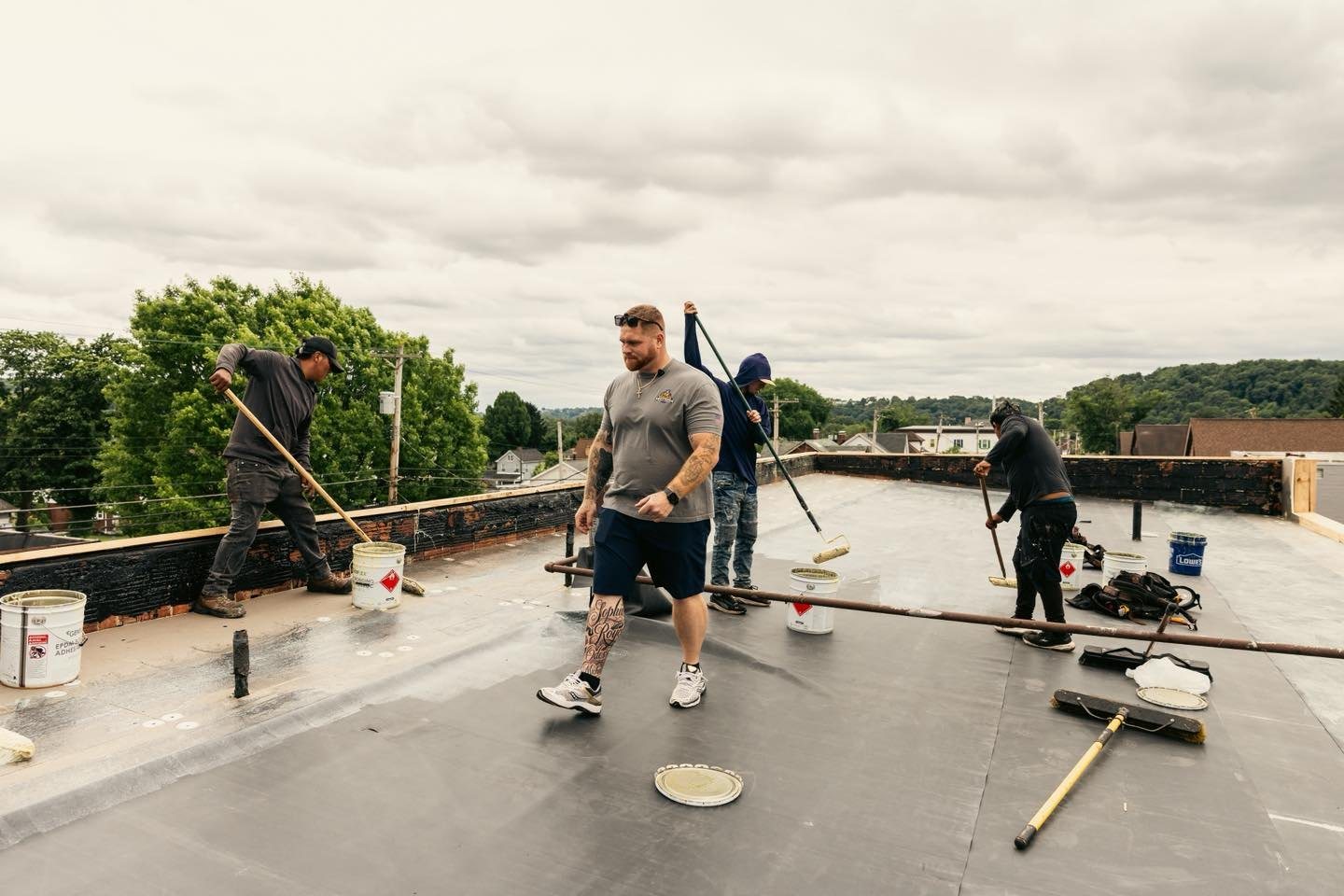
Malick Brothers Exteriors is MuleHide certified for .060 EPDM rubber roofing, two ply low slope systems, and silicone coatings. On a typical commercial EPDM replacement, our crew:
- Removes the old membrane and probes the existing insulation and deck for moisture and soft spots.
- Replaces any wet or crushed insulation and repairs the deck where needed.
- Installs a vapor barrier when the building or the code calls for one.
- Mechanically fastens or adheres the new insulation boards, then adds a cover board on top.
- Fully adheres the .060 EPDM membrane, seals the seams, and flashes every curb, drain, pipe, and wall.
If an inspection shows the insulation is dry and the membrane has years left, we will say so and repair the seam or flashing that is actually leaking.
What Drives the Cost of Insulation Under EPDM
The cost depends on the roof size, the R value required by code, whether the existing insulation can stay, how many rooftop units and penetrations need to be raised and flashed, and whether a vapor barrier is needed. The only accurate number for your building is a written estimate after we have been on the roof and probed the existing layers, and we provide that at no charge.
Comparing EPDM to Other Flat Roofing Materials
Different roofing systems have different strengths. If you are evaluating alternatives to EPDM, this guide is helpful: What is single ply roofing for commercial buildings. We also install silicone roof coatings over sound EPDM and other low slope roofs when a full replacement is not needed yet.
Frequently Asked Questions
Can EPDM be installed directly on the roof deck without insulation?
It can be done physically, but it is not a complete system, it will not meet the commercial energy code for a new or replacement roof, and the building will be hard to heat and cool. We do not recommend it.
How thick does the insulation under EPDM need to be in Pittsburgh?
It depends on the R value the code requires for our cold climate zone and on the type of insulation you choose. Polyiso reaches a given R value in less thickness than fiberglass or EPS. We confirm the exact requirement with the local code official for every project.
Can you reuse the existing insulation when replacing an EPDM roof?
Sometimes. If the old insulation is dry, flat, and firmly attached, we can often leave it in place and add insulation and a cover board on top. If moisture probes or a core sample show it is wet, it has to come out.
How long does an insulated EPDM roof last?
A properly installed and maintained .060 EPDM system with dry insulation and a cover board commonly serves a building for decades. Regular inspections, clear drains, and prompt seam repairs are what get it there.
Conclusion
Insulation is a core component of an EPDM roofing system. It affects energy efficiency, temperature stability, and how long the roof lasts in Pittsburgh weather.
If you own or manage a commercial building with a flat or low slope roof anywhere in the Pittsburgh area, we would be glad to inspect it and give you a straight answer on the insulation and the membrane. Malick Brothers Exteriors is family owned, BBB A+ accredited, and MuleHide certified, with our shop at 500 Perry Highway in West View. Request a free written estimate at malickbrothersexteriors.com/contact.