
Understanding EPDM Roofing
EPDM roofs are a popular choice for commercial buildings because they are durable and flexible. This synthetic rubber membrane resists UV rays, ozone and weather extremes, making it an efficient water‑proofing material. EPDM roofs usually measure 45 to 60 mils in thickness and can be installed fully adhered, mechanically attached or ballasted. The membrane is lightweight, around 2 pounds per square foot when using a 0.060 inch thickness. Commercial building owners often choose EPDM because the large panels reduce seams and the system can accommodate thermal expansion without cracking.
Despite its resilience, EPDM is still a membrane and not a structural deck. It can handle light human weight but is more vulnerable to sharp objects and persistent pressure. The rubberized surface also becomes more pliable in heat and stiffer in cold, so its response to weight changes with temperature. Understanding these properties helps facility managers decide whether a particular roof section can safely accommodate foot traffic and what modifications may be necessary.
Can EPDM roofing be walked on?
Can you walk on an EPDM roof? Yes, but only sparingly. EPDM membranes are designed to withstand light foot traffic, such as occasional inspections or maintenance visits. However, heavy or regular foot traffic can cause punctures or tears that lead to leaks. High‑traffic areas should be reinforced or protected to avoid rupturing the membrane.
When accessing an EPDM roof, it is best to step deliberately and avoid twisting or dragging your feet. According to guidelines for high‑traffic flat roofs, people should pick up their feet when turning instead of rotating on the balls of their feet. Wearing soft‑soled shoes reduces pressure points and minimizes puncture risk. These small practices can prolong the life of the membrane, ensuring that EPDM roof durability remains a strong selling point for commercial property owners.
Risks of Foot Traffic on EPDM Roofs
Repeated foot traffic is one of the leading causes of premature wear on EPDM roofs. The membrane’s flexibility, which makes it so effective at absorbing thermal movement, also makes it susceptible to wear from weight and pressure. Common issues include punctures and tears from debris or heavy boots. Excessive rooftop traffic is a known factor that contributes to roof system failures and can even void manufacturer warranties.
Once a puncture forms, water can infiltrate and degrade insulation layers, leading to costly interior damage. Even minor surface abrasions can expand during freeze‑thaw cycles; as water enters a small cut and then freezes, the crack widens and compromises the membrane. Without repairs, these small defects eventually form larger leaks that shorten the roof’s service life. Therefore, limiting foot traffic is essential to protect the EPDM and maintain water‑tight integrity.
Modifying Your EPDM Roof for Walkability
If routine maintenance or equipment access requires frequent trips across an EPDM roof, modifications are necessary. The most common solution is installing protective walkway pads or pavers. Walkway pads are designed to protect the membrane in areas exposed to repetitive foot traffic. The Mule‑Hide product guidelines recommend installing walkway pads at all traffic concentration points, roof hatches, access doors, rooftop ladders, and wherever maintenance is scheduled more than once a month. These pads should be spaced at least 1 inch apart for proper drainage and should not be used as ballast. The Royal Edge data sheet suggests leaving 1 to 6 inches of space between pads and staying at least 3 inches away from field seams.
Pavers or concrete slabs provide another layer of protection and create clear walking paths. They distribute weight evenly and add traction, which reduces the risk of slips and falls. However, they add weight to the roof system. EPDM membranes themselves weigh less than two pounds per square foot, but once you add insulation, fasteners and pavers, the total load increases. It is important to consult an engineer to confirm that the structure can support the additional weight, especially on older buildings. In areas taller than 50 feet, walkway pads should not be installed within 10 feet of the roof perimeter; instead, concrete pavers should be used for safety.
Benefits of Walkable Roofs
A walkable roof can transform unused rooftop space into functional real estate. By installing protective surfaces on an EPDM roof, building owners can create safe access routes and even recreational spaces. Walkable roofs can attract tenants by offering a rooftop patio, garden or seating area, which adds value to residential buildings. Restaurants, hotels and retail spaces may use rooftop areas for dining, bars or events, increasing revenue. Walkable rooftop gardens not only provide aesthetic appeal but can also help insulate the building and manage stormwater.
The key is to design these spaces with proper reinforcement. EPDM membranes alone are not designed for heavy pedestrian use. Integrating pavers, decking systems or modular green roof components ensures that foot traffic does not compromise the waterproof layer. When properly designed and maintained, walkable roofs can enhance the building’s appeal and functionality while preserving membrane integrity.
What is the best flat roof material for walking on?

Different flat roof materials respond differently to foot traffic. Built‑Up Roofing (BUR) consists of alternating layers of bitumen and reinforcing fabric topped with gravel. These multiple plies offer robust protection and can handle heavy maintenance traffic. Thermoplastic Polyolefin (TPO) is a single‑ply membrane that resists tears, impacts and punctures; adding walking pads improves its performance under foot traffic. Polyvinyl Chloride (PVC) roofing offers similar single‑ply benefits and can handle moderate foot traffic but is susceptible to damage from sharp tools.
EPDM is suitable for light foot traffic during maintenance but is not intended for continuous pedestrian use. Pavers or walkway pads can be installed on top of EPDM to improve durability and provide safe walking paths. Green roof systems combine EPDM or other membranes with vegetative trays and pavers to create a rooftop garden. These systems distribute weight across the membrane and often integrate designated walkways for high‑traffic areas. When choosing a roofing material, consider the amount and type of foot traffic your building requires. A summary table helps compare the options:
| Flat Roof Material | Foot Traffic Suitability | Notes |
|---|---|---|
| EPDM (rubber) | Light traffic; maintenance only | Install walkway pads or pavers to protect membrane. |
| TPO | Moderate; resists tears and punctures | Walking pads recommended for high‑traffic areas. |
| PVC | Moderate; durable but can be damaged by sharp tools | Reinforce high‑traffic zones and avoid dragging equipment. |
| Built‑Up Roofing (BUR) | High; multiple plies with gravel ballast | Well‑suited to maintenance traffic; can be topped with pavers for patios. |
| Green Roof/Vegetative System | High; uses pavers for walkways | Supports gardens and recreational spaces, adds weight to structure. |
This table provides a quick reference for selecting a roof system based on expected foot traffic. Materials like BUR or green roofs handle more traffic but may have higher installation costs. EPDM remains a strong choice for its flexibility and cost‑effectiveness when foot traffic is limited or properly managed.
Is it okay to walk on a rubber roof?
Walking on a rubber (EPDM) roof is okay if you follow precautions. Rubber roofs are designed to handle light foot traffic during installation and periodic maintenance, but repeated visits without protection can cause damage. Avoid walking directly on the membrane whenever possible; use designated walkways or temporary plywood sheets to distribute weight during repairs. Walk slowly, wear soft‑soled shoes and avoid dragging tools or equipment.
In high‑traffic areas, protective coverings are necessary. Walkway pads made of EPDM or rubberized materials provide traction and reduce wear on the membrane. Composite pavers made from recycled rubber and plastic create an aesthetically pleasing surface and can support both maintenance crews and rooftop patios. By taking these precautions, building owners can ensure that walk on EPDM surfaces remains safe and that the membrane continues to perform as a weatherproofing barrier.
What is the weight limit for walking on a roof?
There is no universal weight limit for walking on a roof because structural capacity depends on factors like deck material, membrane thickness and underlying support. For non‑ballasted EPDM roofs, the membrane itself weighs less than two pounds per square foot when using a 0.060‑inch thickness. However, the roof’s load‑bearing capacity must account for insulation, pavers and any equipment. Engineers typically design commercial roofs to support live loads of around 20 to 25 pounds per square foot, but verifying this with a professional is essential.
When planning walkable zones, consider adding walkway pads or pavers that distribute weight and prevent concentrated loads. The Royal Edge installation guide emphasizes spacing walkway pads between one and six inches apart and keeping them at least 3 inches away from seams. It also advises against placing pads within 10 feet of the roof edge on tall buildings, recommending concrete pavers in those areas. These guidelines help ensure that the membrane and underlying structure remain intact under foot traffic.
Safety Tips for Walking on EPDM Roofs
Before accessing a commercial EPDM roof, review safety protocols. Wear non‑slip shoes and a safety harness when working near edges. Avoid walking during extreme temperatures; heat makes the membrane softer and more susceptible to impressions, while cold weather makes it brittle. Check weather conditions to avoid slippery surfaces from rain, snow or morning dew.
Always stay on designated walkways. The D.C. Taylor Co. and other roofing experts advise installing walkways from roof access points to all rooftop equipment and clearly marking these paths. Keep walkways away from edges and rooftop hazards, and ensure they are visible to prevent accidental slips. Walkway pads are not a substitute for fall protection; additional safety measures such as railings or guardrails are necessary around the roof perimeter. By combining proper footwear, designated paths and fall protection, maintenance crews can safely navigate an EPDM roof.
Comparing EPDM to Other Flat Roofing Systems
EPDM is often compared to TPO and PVC because all three are single‑ply membranes. EPDM offers excellent flexibility and weather resistance but is more prone to punctures from sharp objects. TPO and PVC are thermoplastic materials that offer better resistance to tears and punctures; TPO, in particular, holds seams together with heat welding and can be more suitable for high‑traffic areas. Both TPO and PVC, however, can be damaged by improper installation or chemical exposure.
Built‑Up Roofing (BUR) systems consist of multiple layers of bitumen and reinforcing fabric topped with gravel, making them highly durable and suitable for heavy foot traffic. Green roofs use EPDM or other membranes under trays of soil and vegetation and can integrate walkway pavers. Each system has trade‑offs in cost, weight, durability and maintenance. Owners must balance the desire for walkable space with the roof’s intended use, structural capacity and budget.
Long‑Term Maintenance and Professional Advice
Regular inspections are critical for preserving a commercial EPDM roof’s service life. Experts recommend scheduling professional inspections at least twice a year, focusing on seams, flashing and high‑traffic areas. Removing debris and cleaning drains help prevent ponding water and reduce wear. When repairs are needed, use primers and patches designed for EPDM membranes; the EPDM Roofing Association advises cleaning the membrane surface, applying primer and sealing cuts with laminated patches.
If your roof is approaching 20 years of age, consult a roofing professional to decide whether replacement is necessary. For detailed guidance, refer to the repair article Should a 20‑Year‑Old Commercial Roof Be Replaced?, which explains factors like membrane condition, insulation integrity and cost comparisons. Proper maintenance extends the lifespan of an EPDM roof and delays full replacement, saving long‑term costs.
Conclusion: Making the Most of Your Roof
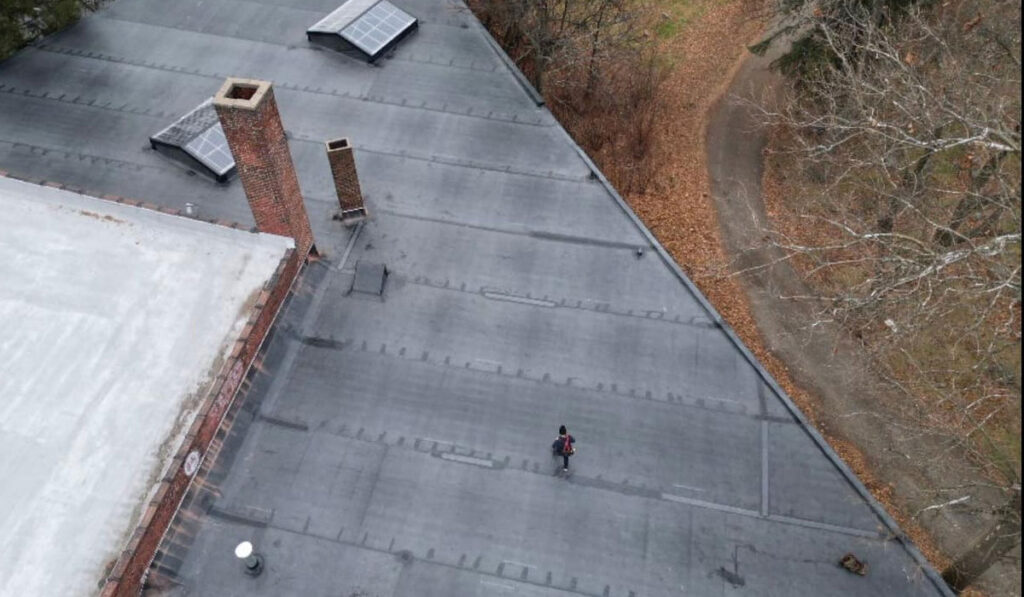
Commercial EPDM roofs are designed to be durable and flexible, but they have limitations when it comes to foot traffic. While it is possible to walk on an EPDM roof for maintenance, frequent or careless walking can puncture the membrane and lead to leaks. By installing protective coverings, such as walkway pads or pavers, and adhering to safety guidelines, building owners can create safe access routes and even transform rooftops into functional spaces.
Remember to consult a structural engineer when adding weight or modifying your roof system. Follow recommended spacing and installation practices for walkway pads and avoid placing them near edges where wind uplift and falls are more likely. To preserve EPDM roof durability, practice mindful foot traffic and engage professionals for inspections and repairs. With the right precautions, you can walk on EPDM roofs safely, manage commercial flat roof wear and even enjoy the benefits of a rooftop patio.