Selecting the right roof system starts with understanding how your building functions and what it needs over time. The main goal is durability, watertight performance, and cost control throughout the life of the roof. Each commercial roofing material offers different strengths depending on slope, climate, rooftop equipment, and energy goals. Below is a clear breakdown of the most common commercial roofing materials, their pros and cons, and how to determine which fits your building best. If you already know you are leaning toward a rubber membrane, our EPDM roofing page covers that system in more detail.
How Building Design Shapes Your Options
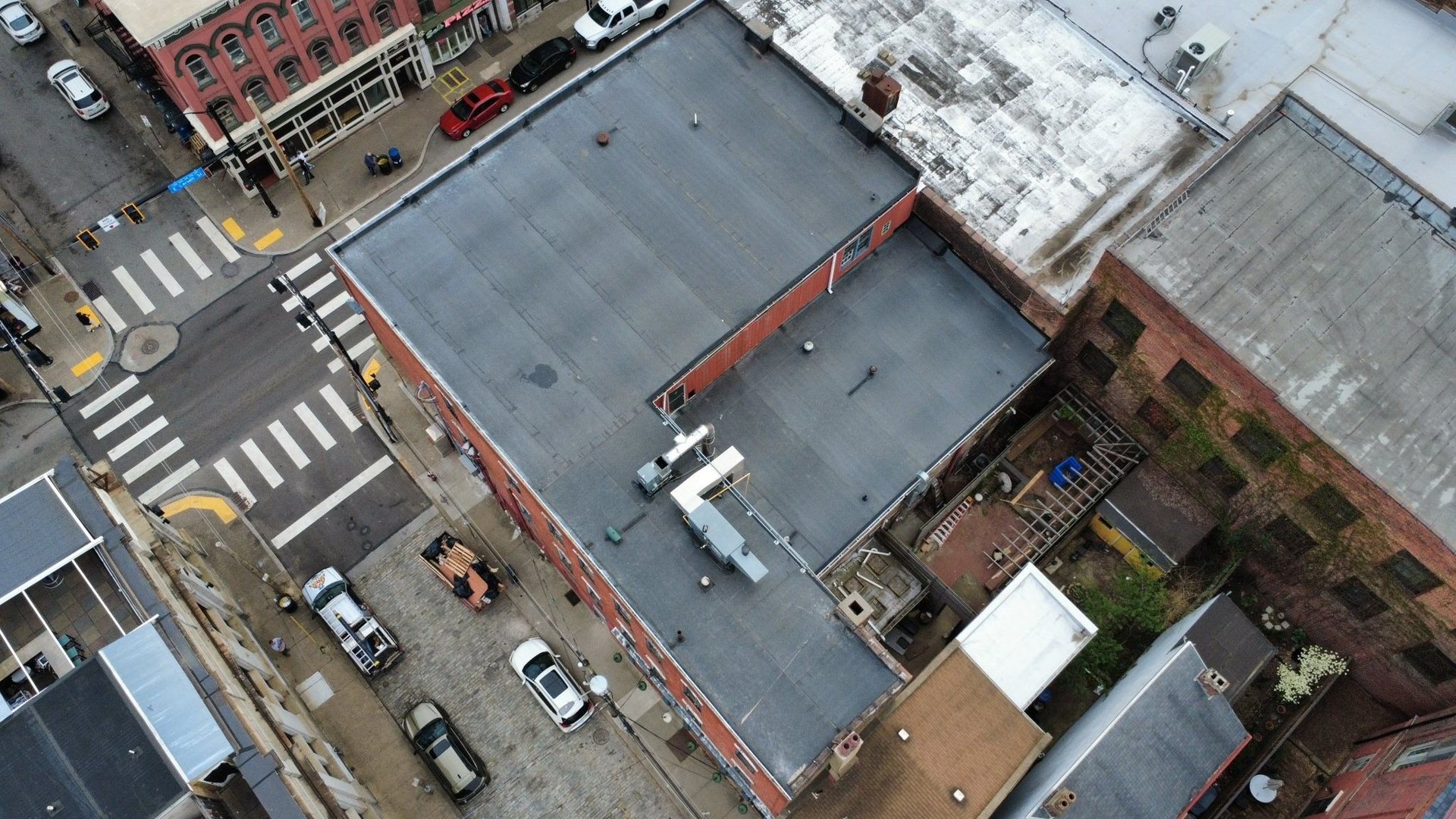
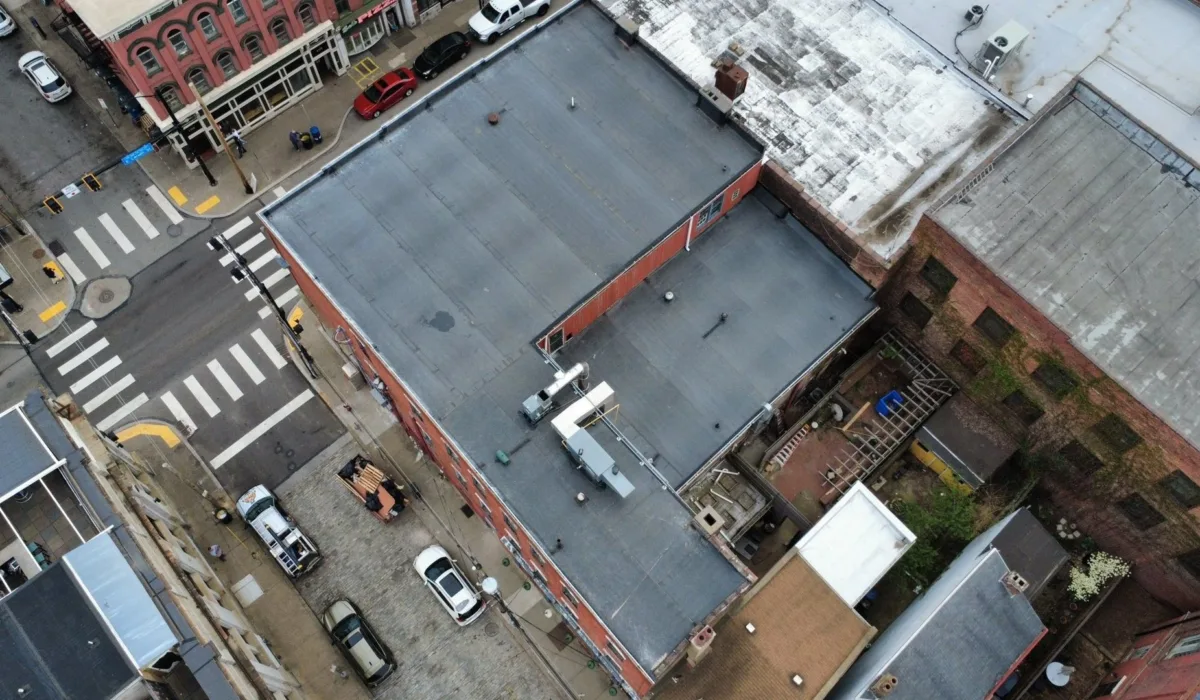
Commercial roofs are typically flat or low slope, which changes what materials work best. Flat roofs often require tapered insulation to create slope for drainage and reduce ponding water. Low slope buildings commonly pair with single ply membranes like EPDM, TPO, or PVC, or with a two ply modified bitumen system. Steep slope assemblies are better suited for standing seam metal or architectural asphalt shingles. Consider how equipment, parapets, and access paths will influence system choice and long term maintenance.
What Is Considered Commercial Roofing?
Commercial roofing refers to systems designed for larger buildings that see frequent roof access and heavier equipment use. These roofs must be durable enough to handle maintenance traffic, weather exposure, and thermal movement over large surface areas. They often need stronger puncture resistance, reinforced flashing, and adequate insulation. The purpose of the building and how the roof is accessed play a major role in choosing the right system.
Key Factors to Consider Before Selecting a Roof
Lifespan and expected maintenance needs are key. If service technicians frequently access the roof, choose a tougher membrane or a multi ply system to prevent punctures. Energy efficiency also matters, since white or reflective surfaces can reduce cooling demand. Budget is always a factor, but look at long term cost, not just the installation day. A roof with lower maintenance and higher durability often pays back more over time.
Performance Comparison Table
| System | Pros | Cons |
|---|---|---|
| TPO or PVC (single ply) | Reflective, heat welded seams, lightweight | Can puncture under heavy foot traffic |
| EPDM (single ply) | Flexible in cold weather, proven durability, fewer seams | Seams are taped or adhered, not welded |
| Modified bitumen | Multi layer strength, handles foot traffic | More labor and more involved repairs |
| Built up roofing (BUR) | Very durable, long service life | Uses hot asphalt, higher labor |
| Standing seam metal | Very long service life, high wind resistance | Higher upfront investment |
What Drives the Cost of a Commercial Roof
We do not publish flat price figures for commercial work because two buildings of the same size can land far apart. The things that move the number are the total square footage, whether the old roof has to be torn off or can be covered, the condition of the deck underneath, how much tapered insulation is needed to fix drainage, the number of rooftop units, drains, and penetrations that need flashing, parapet height, and how easy it is to get material and crews onto the roof. The membrane itself is only one line in that list. The real number for your building comes from a free written estimate after we walk the roof.
Single Ply Roofing: TPO, EPDM, and PVC
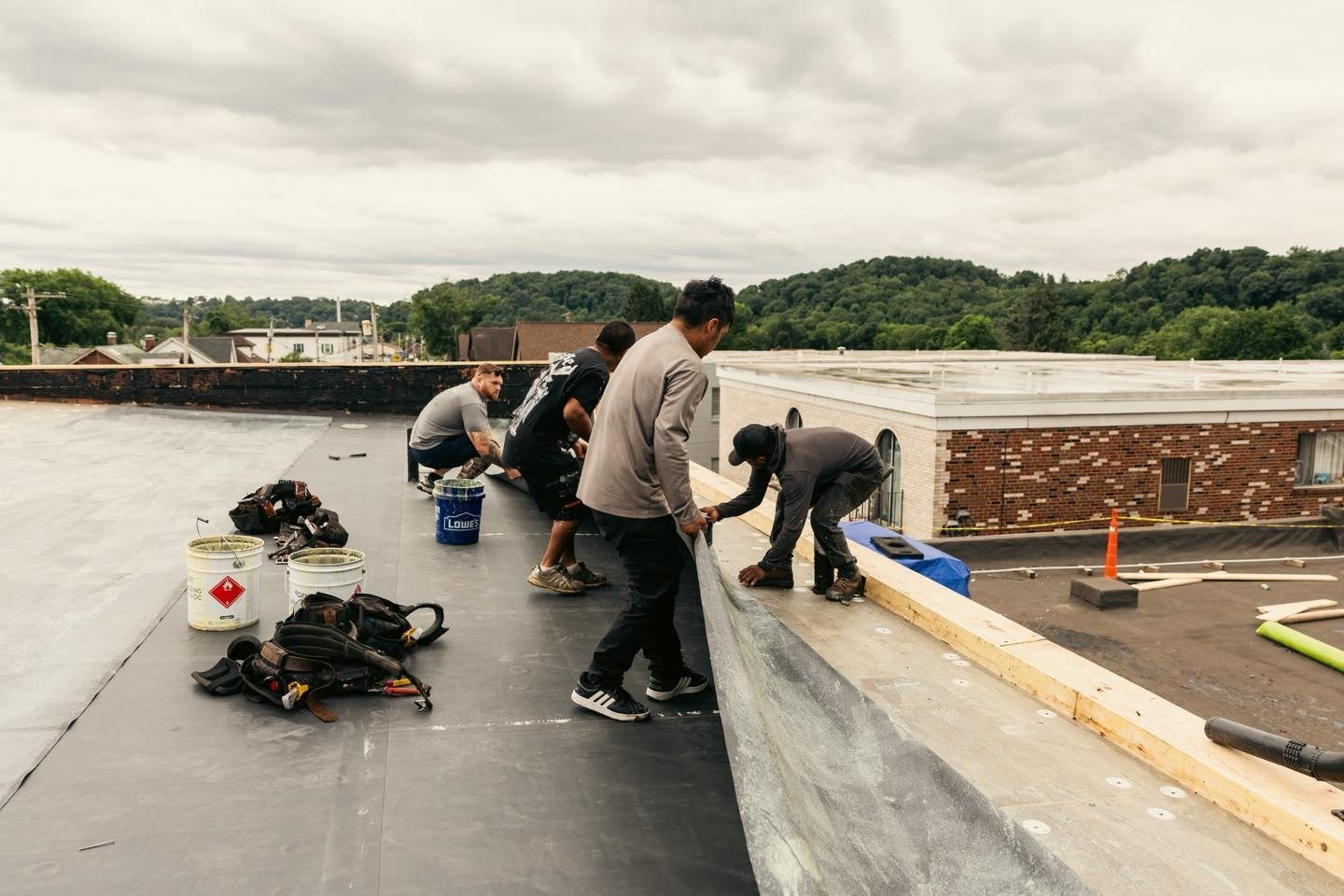
TPO is popular for its reflective white surface that helps reduce cooling costs and heat gain. Its seams are heat welded, producing strong, watertight joints. EPDM is a synthetic rubber membrane known for flexibility and performance in colder climates, and its seams are taped or adhered. PVC stands out where chemical or grease resistance is necessary, which makes it a common pick for restaurants and some industrial buildings. All three systems work well on flat and low slope buildings.
What Is the Most Common Commercial Roofing Material?
Single ply membranes are among the most widely used options for low slope commercial buildings. TPO is often selected for energy efficiency. EPDM remains a proven performer for durability and long term reliability, especially in cold climates like ours. PVC is chosen when chemical, grease, or rooftop exhaust exposure is a primary concern.
Do I Have a TPO or EPDM Roof?
You can usually identify your roof visually:
- White or light surface: likely TPO or PVC.
- Black surface: likely EPDM.
Welded seams indicate TPO or PVC, while adhesive or taped seams suggest EPDM. A professional can confirm with a quick seam inspection if needed.
What Is Better, TPO or EPDM?
The better choice depends on location and performance priorities. If energy efficiency and reduced heat absorption matter most, TPO is often the pick. If flexibility and cold weather performance matter most, EPDM is a strong fit. Any TPO and EPDM comparison should also factor in foot traffic, climate, and how the building is used.
Why Pittsburgh Weather Matters
Western Pennsylvania roofs go through repeated freeze and thaw cycles every winter, heavy wet snow, and summer storms that drop a lot of water fast. On a flat roof, that means drainage and flashing details matter as much as the membrane. Standing water that freezes and thaws works into weak seams, and older buildings in the city and the surrounding boroughs often have decks and drains that were never designed for modern insulation thicknesses. A cold tolerant membrane, good tapered insulation, and clean drain details are what keep a low slope roof dry here.
Where Metal Roofing Fits Best
Standing seam metal roofing offers exceptional lifespan, wind resistance, and a refined architectural appearance. It performs best on steep slope structures and high visibility buildings. On low slope areas, transitions and drainage need careful detailing, and combining metal with a membrane is common.
Selecting the Right System for Your Building
Match system selection to real world use:
- Heavy equipment or high foot traffic: modified bitumen or reinforced single ply
- Grease or chemical exhaust: PVC
- High wind exposure: standing seam metal
- Energy efficiency priority: white TPO or reflective metal finishes
- Aging roof that is still sound: a silicone coating may extend its life
See How to Choose the Right Commercial Roofing System for Your Business for a guided decision workflow.
What We Install on Commercial Roofs
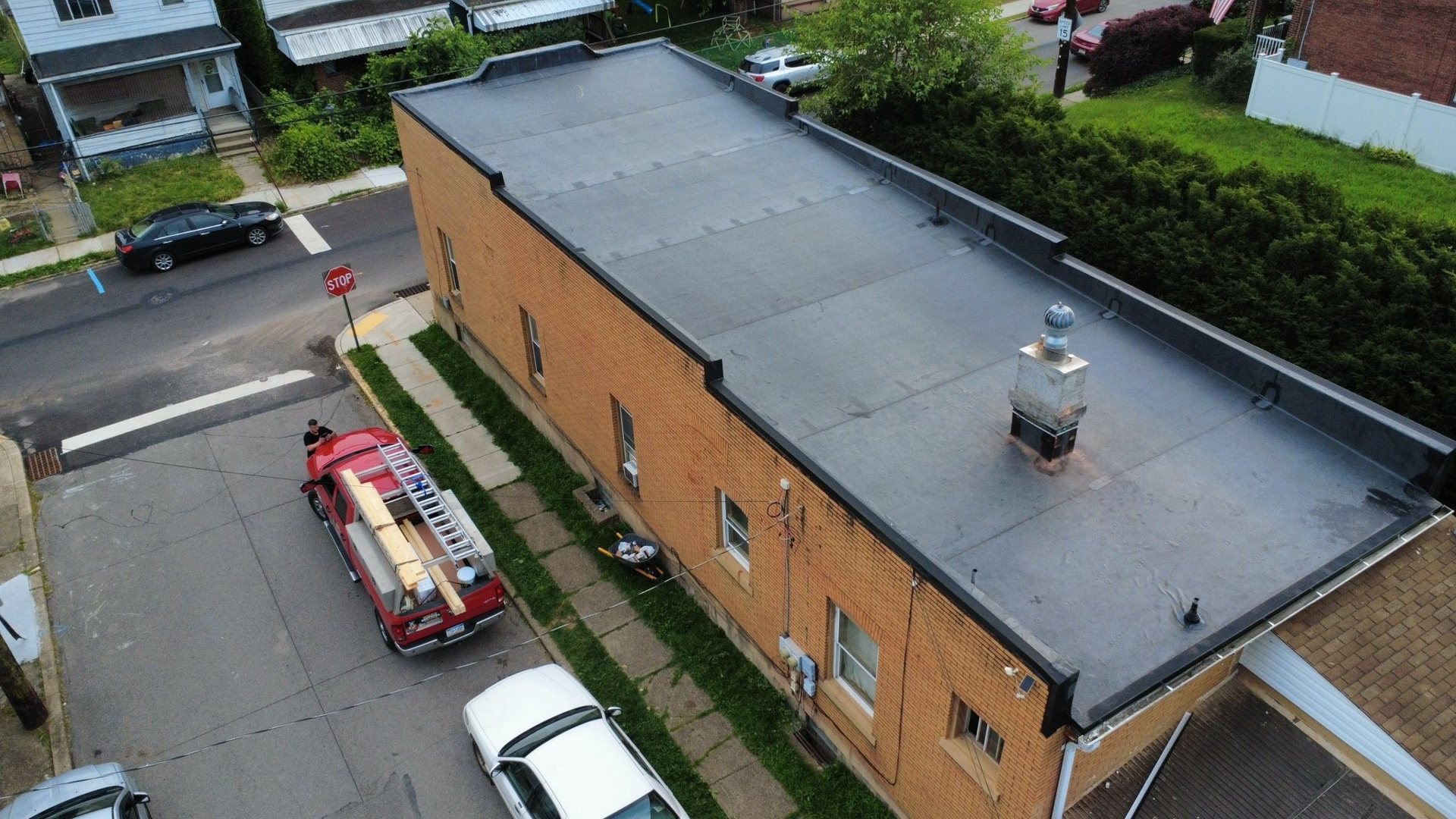
Malick Brothers Exteriors is a family owned roofing company based at 500 Perry Highway in West View. We are MuleHide certified, which covers .060 EPDM, two ply low slope systems, and silicone roof coatings, and we also install metal roofing. When we look at a commercial roof, we check the deck, the drains, the flashing at walls and curbs, and the existing insulation before recommending a system, so the proposal fits the building rather than a sales sheet.
Insulation, Attachment, and Warranty Considerations
Polyiso insulation improves R value and energy performance. The attachment method, whether fully adhered, mechanically fastened, or ballasted, depends on deck type and wind requirements. Review both the manufacturer warranty and the contractor workmanship warranty, and schedule regular inspections to keep coverage in good standing and get the most service life from the roof.
Frequently Asked Questions
How long does a commercial roof last?
It depends on the system, the quality of installation, drainage, and how much traffic the roof sees. Metal and well built multi ply systems tend to last the longest, and a membrane on a roof that drains properly will outlast the same membrane sitting in ponded water.
Can a new membrane go over my old roof?
Sometimes. If the existing roof is dry, the deck is sound, and code allows another layer, a cover may work. Wet insulation or deck damage usually means a tear off. We confirm this on site.
Is a silicone coating a replacement for a new roof?
No. A coating can extend the life of a roof that is still in decent shape, but it will not fix a failed deck or saturated insulation.
Do you give written estimates for commercial roofs?
Yes. Every estimate is free and in writing, and it explains the system we recommend and why.
Final Thoughts
The best commercial roof balances performance, durability, cost, and maintenance expectations. By understanding building use, traffic demands, and climate conditions, you can make a confident choice that protects the property for the long term. Each roofing material has a place, and the key is matching the system to the real world needs of the building.
If you own or manage a commercial building in the Pittsburgh area and want an honest look at your roof, contact Malick Brothers Exteriors to schedule a free inspection and written estimate.