Homeowners often reach a crossroads when their composite siding starts showing its age. The original finish has faded, the color feels dated, and suddenly the house looks tired. Before jumping straight to a full replacement, many people wonder whether they can simply paint composite siding and call it a day. The short answer is yes, you can. But like most home improvement decisions, there is more to consider than a simple yes or no. If the boards underneath are sound, paint is a reasonable refresh. If they are not, you are better served by siding installation in Pittsburgh from a crew that will fix what is behind the siding, not just the color on top of it.
Do You Paint Composite Siding?
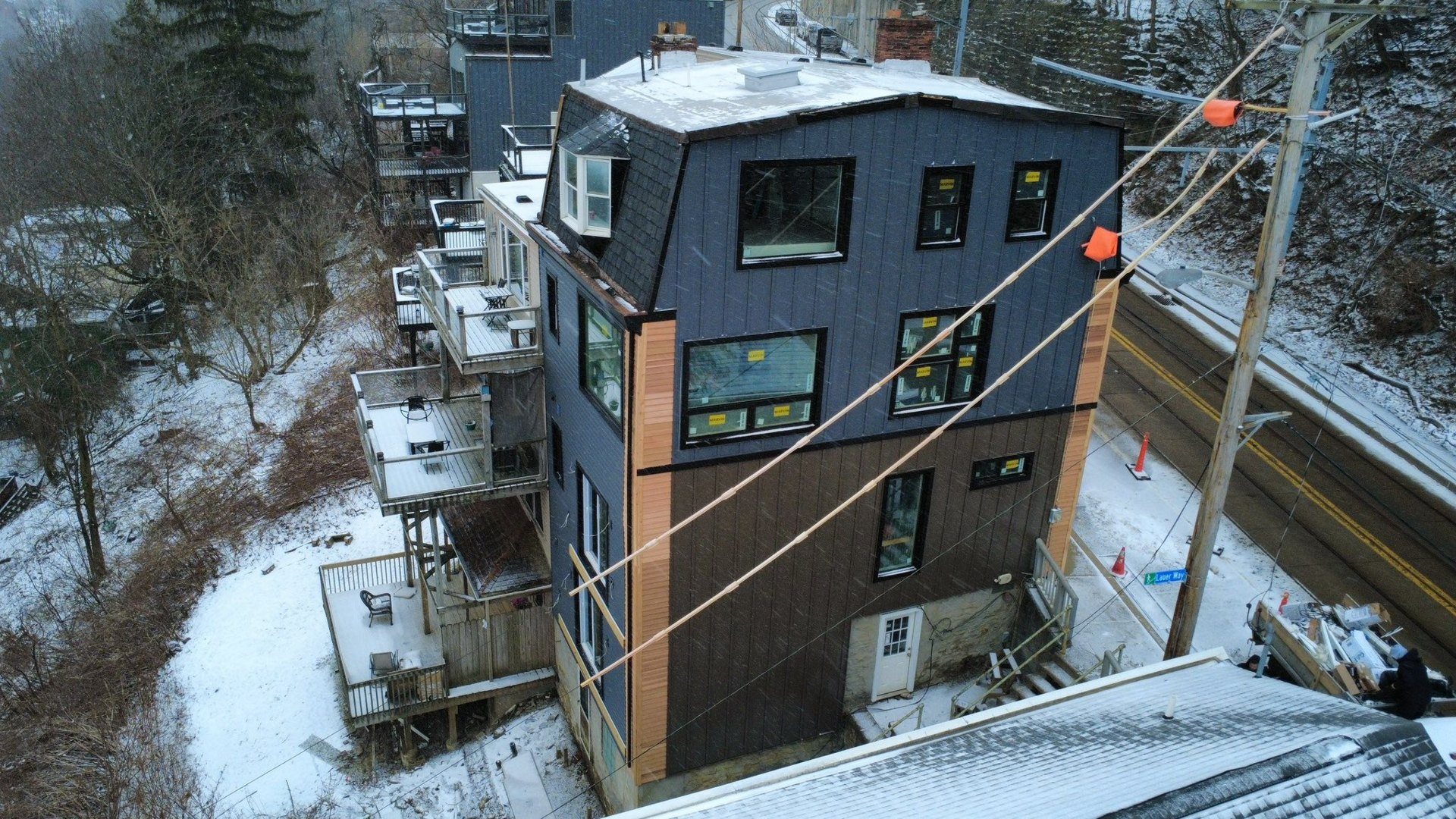
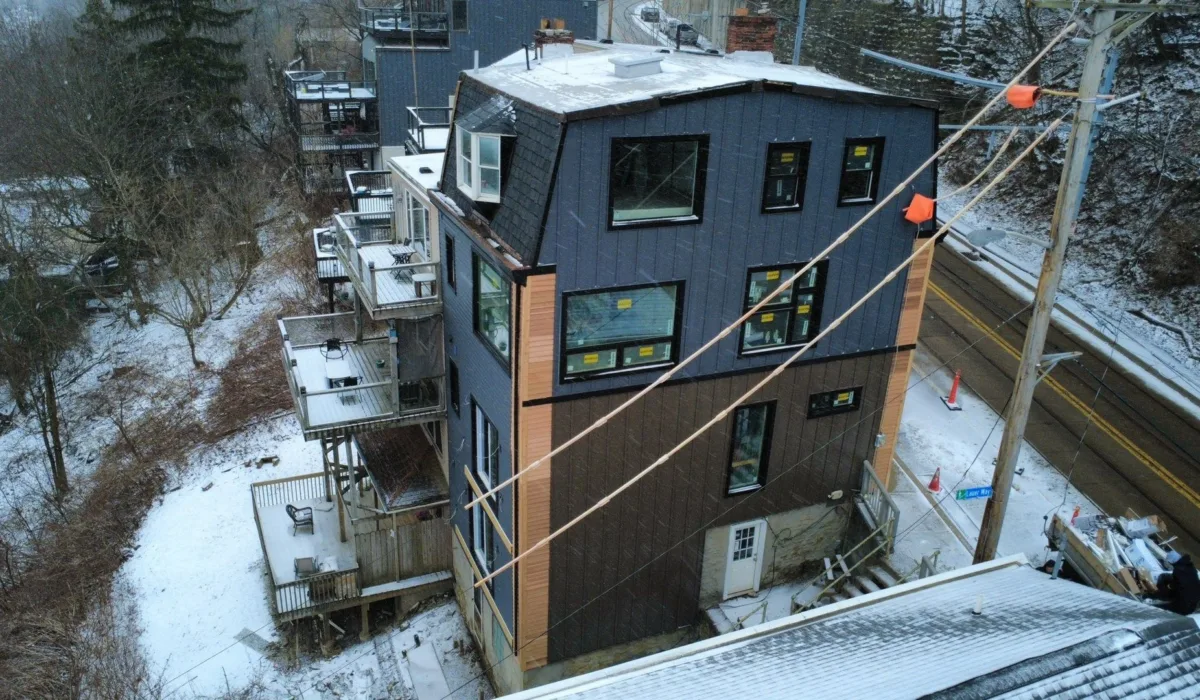
Composite siding, including engineered wood products, is designed to accept paint. In fact, most composite siding comes pre-finished from the factory, which means it is already primed and ready for a topcoat. If you want to paint engineered wood siding, you are working with a material that was built for this purpose. The key is using the right products and following proper preparation steps.
The best paint choice is a 100 percent acrylic latex exterior paint. This type of paint flexes with the material as temperatures change, reducing the risk of cracking and peeling. That flexibility matters in Pittsburgh, where a single winter can swing from the teens to the fifties and back in the same week. Before applying any paint, you need a high quality bonding primer designed specifically for composite surfaces. Skip this step, and you will likely regret it within a few months.
Understanding the Pros of Painting Composite Siding
Painting offers several compelling advantages that make it worth considering. First, it costs less than replacement. A paint job uses the material you already own, so you are paying for labor, primer and paint rather than new boards, trim, housewrap and disposal. For homeowners watching their budgets, that difference is real.
The aesthetic transformation can be dramatic. A fresh coat of paint breathes new life into a home, boosting curb appeal almost instantly. You also gain complete control over your color palette. Want to shift from beige to a modern gray blue? Paint makes that possible without structural changes. Done properly with quality materials, painted composite siding can last anywhere from 10 to 15 years before needing attention again.
What Are the Disadvantages of Paint?
Paint is not a miracle solution. It fades. It peels. Over time, exposure to sun, rain, and temperature swings takes a toll. If you are considering whether siding can be painted to fix deeper problems, you should know that paint is purely cosmetic. It cannot repair warped boards, rotted sections, or structural damage hiding beneath the surface.
Color choice matters more than you might think. Dark colors absorb heat, which can cause composite materials to warp and the paint to blister. Stick with lighter shades to avoid these issues. Another concern involves moisture. If you caulk the bottom edges of siding panels, you can trap moisture underneath, leading to mildew, mold, and eventual warping. Leave those bottom edges open to allow proper drainage.
Is It Better to Paint or Replace Siding?
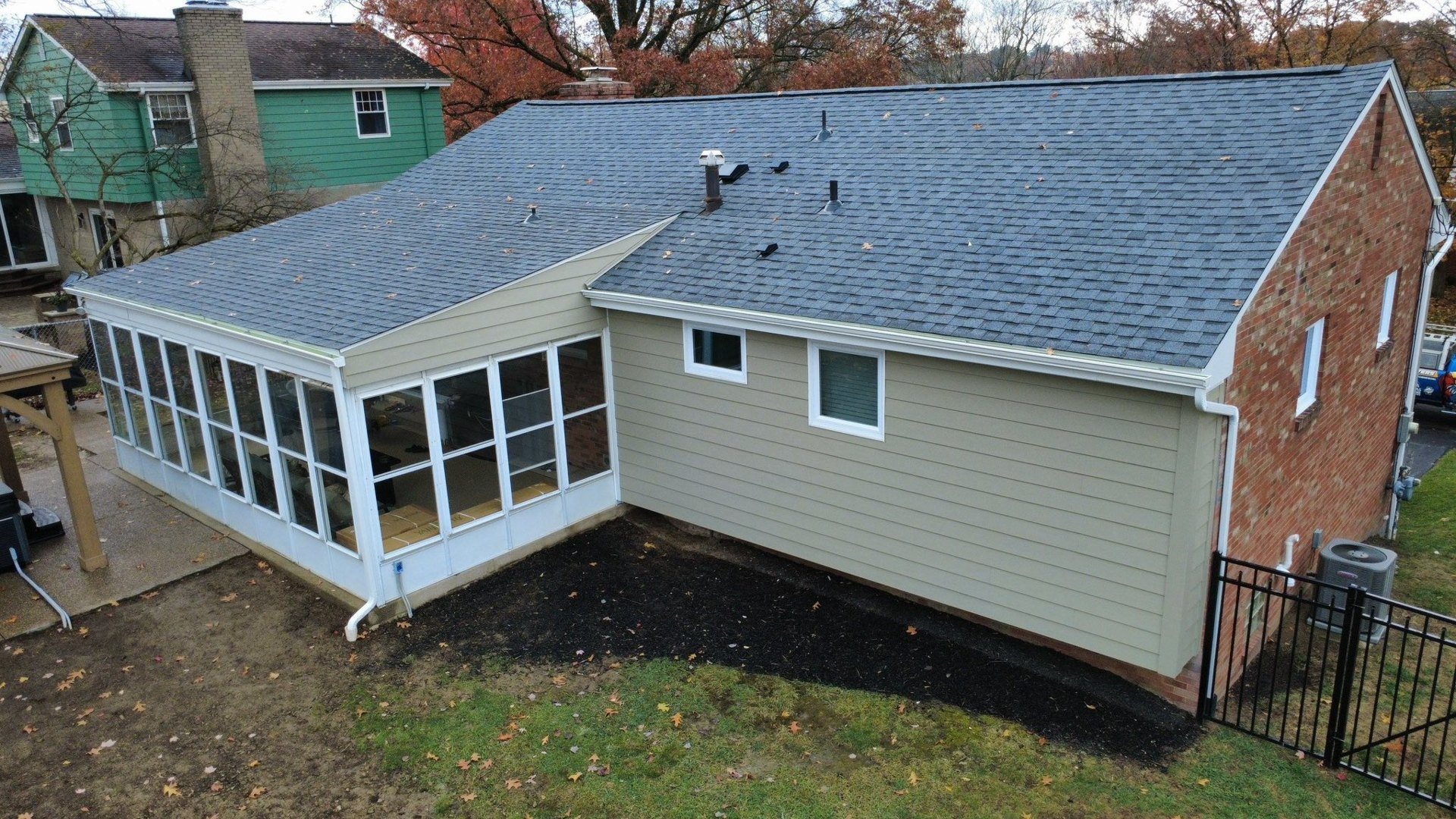
This decision hinges entirely on the current condition of your siding. If the material is structurally sound, meaning no rot, no severe warping, and no delamination, then painting makes sense. You save money, refresh the appearance of your home, and extend the life of your existing investment.
However, if you notice boards pulling away from the wall, soft spots when you press on them, or widespread damage across multiple areas, painting becomes a bandage on a bigger wound. In these cases, replacement is the smarter long term investment. Much of the housing stock in the North Hills, the South Hills and the city neighborhoods dates from the early and mid 1900s, and older composite and hardboard siding on those homes often has moisture damage that no paint will cure. For a look at the options we install, see our materials page or read about financing if a full replacement is the right call but the timing is tight.
Quick Comparison: Painting vs. Replacement
| Factor | Painting | Replacement |
|---|---|---|
| Cost | Lower, driven by wall area, prep work and paint quality | Higher, driven by material, square footage, trim and any repairs underneath |
| Longevity | 10 to 15 years | 20 to 30 years or more |
| Structural Repairs | No | Yes |
| Timeline | Days | Days to a few weeks depending on the home |
| Customization | Unlimited colors | Manufacturer options |
Both columns have a lot of variables behind them, which is why we do not quote siding work over the phone. A free written estimate after a walk around the house is the only number that means anything.
Is It Wise to Paint Siding?
Painting siding is wise when the conditions are right. We have seen homeowners transform their properties with nothing more than thorough preparation and quality paint. The results can be stunning. But wisdom also means knowing when not to paint.
If your siding shows signs of moisture damage, delamination, or widespread deterioration, painting will only mask problems temporarily. You might buy yourself a year or two of improved appearance, but the underlying issues will continue to worsen. In those situations, investing in replacement saves money and headaches down the road.
Key Siding Painting Tips for Best Results
Preparation determines everything. Start by power washing the entire surface to remove dirt, mildew, and any chalky residue from the old finish. Allow adequate drying time before moving forward. Next, inspect every panel closely and repair cracks, holes, or damaged sections with appropriate filler. Light sanding helps the primer grip the surface.
For more siding painting tips, remember that weather matters. Paint on dry days when temperatures fall between 60 and 85 degrees Fahrenheit. In Pittsburgh that usually means late spring through early fall, and even then you should watch the forecast for the afternoon storms that roll through in summer. Avoid direct sunlight during application, as this causes the paint to dry too quickly and can leave streaks or uneven coverage. Apply two coats for the best durability and finish.
Common Mistakes to Avoid When Painting Composite Siding
We have watched homeowners make preventable errors that ruined otherwise solid paint jobs. One of the biggest mistakes is skipping the primer. Composite surfaces are smooth and somewhat resistant to adhesion. Without a bonding primer, even premium paint will peel within months.
Another common error involves painting dirty or damp panels. The paint simply will not stick properly. Take the time to clean thoroughly and let everything dry completely. Also, never caulk the bottom edges of siding panels. This traps moisture and creates the perfect environment for mold growth and warping.
Assessing the Condition of Your Siding Before Painting
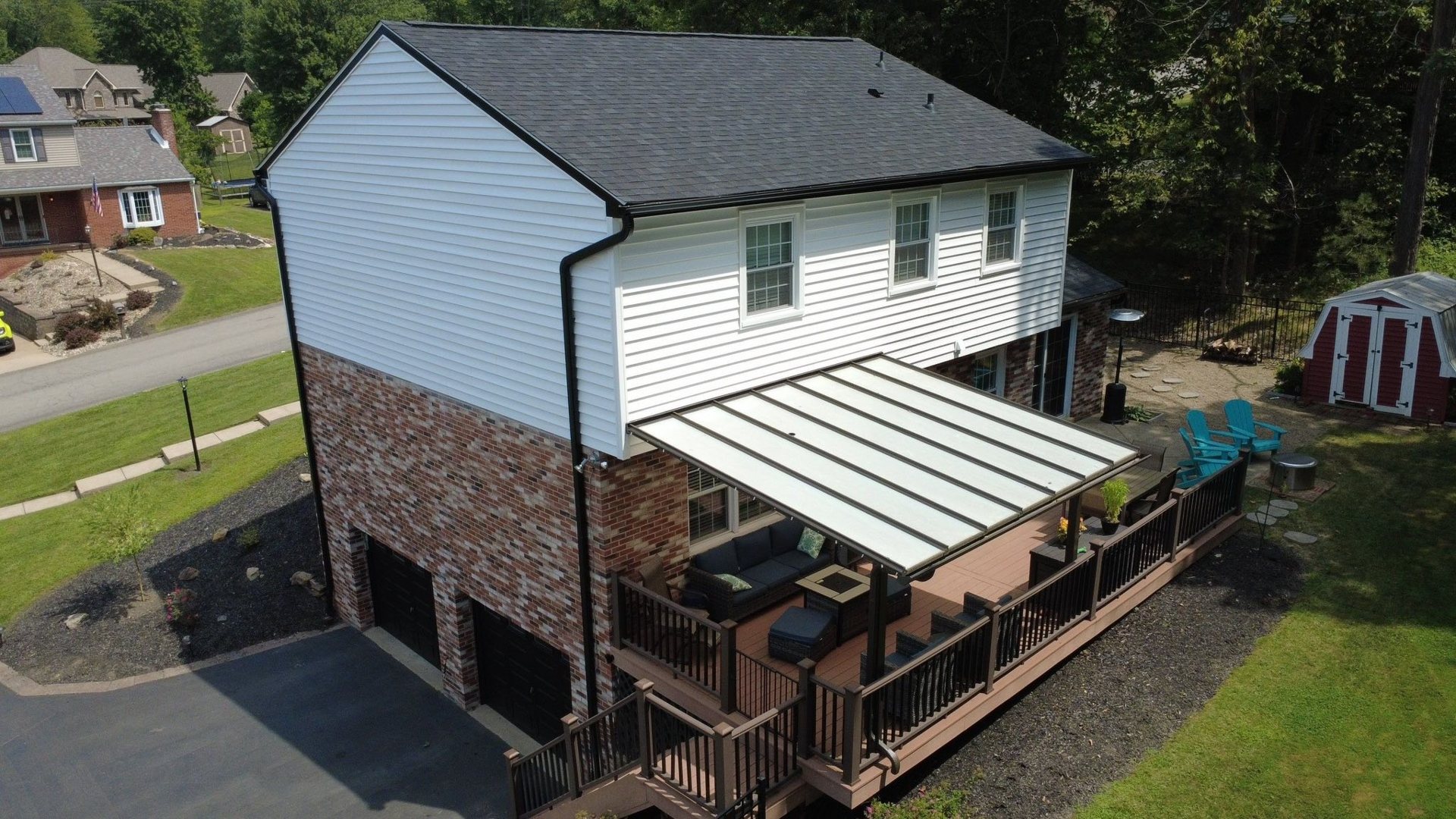
Before committing to a paint project, walk around your home and examine your siding carefully. Look for soft spots by pressing on panels in various locations. Check for warping by sighting down the length of walls. Note any areas where the material appears to be separating into layers.
Pay attention to areas near the ground, around windows, and under eaves where moisture problems tend to develop. If damage is limited to a few panels, you can replace those sections before painting the rest. However, widespread deterioration signals that replacement may be the more economical choice in the long run.
Frequently Asked Questions
How long does painted composite siding last?
With a bonding primer, two coats of 100 percent acrylic exterior paint and a lighter color, expect 10 to 15 years before it needs attention. Dark colors, skipped primer or painting over damp boards shorten that considerably.
Can I paint over siding that has a few soft spots?
Replace the soft boards first, then paint. Paint over a soft board hides the problem for a season and the rot keeps going underneath. If the soft spots are on more than one wall, have someone look at the whole house before you buy paint.
What does Malick Brothers install if I decide to replace?
We install James Hardie fiber cement and Mastic vinyl siding, along with matching trim, soffit and fascia. We are family owned, based at 500 Perry Highway in the North Hills, and every job comes with a free written estimate.
Does painting affect a siding warranty?
It can. Many manufacturers require a specific primer and paint type and may void the finish warranty if those are not used. Check the paperwork for your product before you start.
Final Verdict: Is Painting Composite Siding Worth It?
For homeowners with structurally sound composite siding that simply looks tired or outdated, painting is worth it. The cost savings are real, the results can be impressive, and you gain years of additional service from your existing material. The process is faster than replacement and gives you freedom to choose exactly the color you want.
That said, painting is not a permanent fix. It requires proper preparation, the right products, and attention to detail. If your siding has significant damage, painting will only delay the inevitable. In those cases, investing in new siding provides better long term value. Evaluate your specific situation honestly, prepare thoroughly if you decide to paint, and your home will look better for years to come.
Not sure which side of the line your siding falls on? We will come out, check the boards, and give you a straight answer and a free written estimate. Contact Malick Brothers Exteriors to schedule a visit.