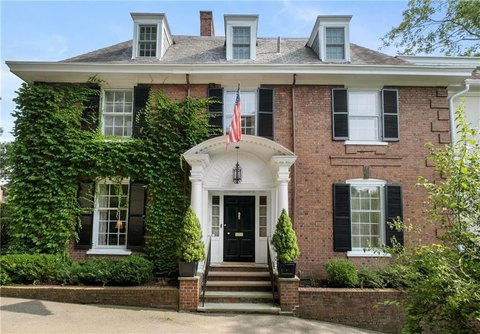
Homes in Squirrel Hill and nearby Shadyside often carry a century of character in their rafters, valleys, and slate tiles. Preserving that heritage while upgrading performance takes planning, precision, and the right crew. In this guide, I’ll share practical Roof Replacement Tips for Older Homes in Squirrel Hill that balance history with modern durability. We’ll cover materials that respect original architecture, budget timing, permits, warranties, and maintenance. You will also find clear links to local experts and deeper resources at the end.
Roof Replacement Tips for Older Homes in Squirrel Hill: Preserve Slate & Clay
Older Squirrel Hill roofs frequently feature slate and clay tile. These systems last a very long time, and the best first step is often restoration, not replacement. Many leaks trace back to tired flashing, underlayment, or isolated broken pieces rather than wholesale failure. A careful inspection can prioritize slate salvage and targeted repairs while protecting the roof’s original patterning. When replacement is truly necessary, mirror the original aesthetic and details wherever possible.
When repair beats replacement
If 80–90% of the slate is sound, a skilled crew can swap damaged pieces, reset copper or steel flashing, and refresh underlayment. This retains the roof’s visual rhythm and preserves embodied energy. It is also common to phase work by elevation to control spend, starting with the most weathered slopes. Ask your contractor to document each repair area with photos for future reference. That record will make later upkeep easier and cheaper.
Preserving Slate & Clay Roofs: Tips for Older Squirrel Hill Homes
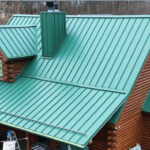
Not every home can keep original slate or clay, especially if budgets are tight or decking needs extensive work. High-quality asphalt shingles present a cost-effective reset when preservation is impractical. Metal standing seam is another durable option that pairs well with historic forms, especially on low-slope porch roofs and 20th-century additions. Where visual match matters most, composite and synthetic slate products deliver period-appropriate texture at a lower weight. Always confirm fastener type, ventilation strategy, and compatible underlayment for the chosen system.
Synthetic slate and composite options
Today’s composites replicate hand-split edges, graduated coursing, and natural color variation. Their lighter weight eases the load on older framing and may reduce structural upgrades. Ask for product samples in natural light and review accessory details like hip and ridge, snow guards, and valleys. A strong match at trim transitions sells the overall look. Confirm the warranty terms if mixing synthetic field tiles with metal valleys or copper flashing.
Roof Replacement Tips for Older Homes in Squirrel Hill: Budget and Phasing
Project scope varies widely across Squirrel Hill’s housing stock. Complex hips, dormers, and chimneys add labor and flashing time. To manage cost, sequence work to the most urgent slopes first, plan chimney rebuilds concurrently, and reuse serviceable slate where feasible. I also recommend setting aside a contingency, since hidden decking or masonry issues appear more often in older homes. Thoughtful phasing preserves curb appeal while keeping financial stress in check.
Quick comparison of common materials
| Material | Typical Service Life* | Relative Cost | Historic Fit | Notes |
|---|---|---|---|---|
| Salvaged Natural Slate | 75–150+ years | $$$$ | Excellent for pre-war homes | Heavy; preserve pattern; premium flashing |
| Clay Tile | 50–100+ years | $$$$ | Excellent on certain styles | Check decking load; brittle when mishandled |
| Metal (Standing Seam) | 40–70+ years | $$$ | Good on porches/additions | Great shedding; detail snow guards |
| Synthetic/Composite Slate | 30–50+ years | $$–$$$ | Good visual match | Lighter; verify fire and wind ratings |
| Architectural Asphalt | 20–30 years | $$ | Acceptable, budget-friendly | Choose dimensional profiles, deep colors |
*Service life varies by product quality, exposure, installation, and maintenance.
What to consider when replacing a roof?
Start with structure, ventilation, and water management. Decking must be sound, attic ventilation balanced, and underlayment engineered for Pittsburgh’s freeze-thaw cycles. Flashing at chimneys, sidewalls, and dormers is the most crucial leak defense and deserves premium metals and careful soldered joints. Gutters and downspouts should move water away fast to protect masonry and foundations. For a neighborhood-specific overview, Malick’s guide, Squirrel Hill & Shadyside: Roofing Solutions for Older Homes, is worth a read.
Permits and codes for historic homes
Pittsburgh uses Pennsylvania’s Uniform Construction Code, and homes within historic districts may involve design review. Your contractor should help coordinate permit scope, submittals, and any details required by the Historic Review Commission. Ask for drawings or annotated photos that show how valleys, ridges, and penetrations will be handled. Clear documentation tends to speed approvals and reduce field changes.
What is the average age of a roof before replacement?
Lifespan depends on material, installation quality, exposure, and maintenance. Architectural asphalt shingles commonly run 20–30 years if installed over a ventilated deck. Metal often reaches 40–70 years with periodic fastener and coating checks. Natural slate can exceed 75–150 years when flashings are maintained and broken tiles replaced promptly. Clay tile belongs in the same long-life conversation but requires specialized handling.
What time of year is the cheapest to replace a roof?
Prices are typically more favorable during schedule gaps. In Pittsburgh, late winter and early spring can open opportunities, as can late fall after peak storm season. Crews want steady work, so you may benefit from easier scheduling and occasional promotions. Weather still matters, so expect flexibility for temperature thresholds and dry-in windows. If your project is large, pre-booking materials can also protect you from seasonal stock swings.
Is $30,000 too much for a roof?
It depends on size, pitch, number of dormers, masonry interfaces, and the material you choose. Full slate or clay tile projects on complex historic homes can exceed that figure due to labor intensity and premium flashings. Many asphalt shingle replacements on average-sized homes land lower, while metal systems sit in between. A transparent, line-item proposal with options is your best tool for decision-making. Ask for good-better-best choices and a separate allowance line for chimney, gutter, or decking contingencies.
Choosing contractors who understand historic Pittsburgh homes
Experience with slate, tile, steep-slope safety, and historic detailing is non-negotiable. Look for written scopes, photo documentation, and sample mockups at tricky transitions. If you are comparing bids, confirm that each includes premium flashing metals, proper ice- and water-shield coverage, and ridge or soffit ventilation. For trusted local help, explore roofing Squirrel Hill PA, roof replacement Pittsburgh, and Squirrel Hill roof repair to get started with a team that knows these neighborhoods well.
Permits, warranties, and documentation
Request copies of permits, inspection sign-offs, and material warranties for your records. A workmanship warranty should specify term length and what is covered. Ask for a closeout package with before-and-after photos, flashing details, and color selections. That packet will simplify future maintenance, appraisals, or insurance conversations. It also helps the next owner understand what was installed.
Maintenance checklist after installation
Plan seasonal checkups to keep performance high. Clear gutters and valleys, trim back tree limbs, and look for lifted shingles, slipped slates, or failing sealant around penetrations. After heavy storms, walk the perimeter and scan for granule loss, debris, and water staining at soffits. Inside, check the attic for damp insulation, daylight at joints, or musty odors that can hint at airflow issues. Quick fixes today avoid big bills later.
Talk to a local expert
Prefer a conversation and a clear plan? Call Malick Brothers Exteriors at (412) 616-0191 or use our contact page to schedule an inspection. Their team understands the nuance of Squirrel Hill’s older housing stock, from slate salvage to phased replacements. If you need guidance on whether repair or replacement fits best, they will walk you through photos, options, and timelines. Roof Replacement Tips for Older Homes in Squirrel Hill are not one-size-fits-all, and a local specialist makes the difference. With a right-sized scope and strong details, your roof can protect the house and honor its architecture.