Table of Contents
At some point, every building owner faces the same uncomfortable question: is it time to fix this thing, or is it time to start over? A leaking roof can feel like an emergency even when it’s not, and the pressure to make a fast decision often leads to expensive mistakes. The truth is, the right answer depends on several specific factors, and rushing past them can cost you far more than the repair itself.
This guide is designed to help you think through repair vs replace roof decisions clearly, so you can walk into any contractor conversation with confidence.
How Long Do Commercial Roofs Actually Last?
Most commercial roofs are built to last somewhere between 20 and 40 years, but that range is wide for a reason. Material type, installation quality, climate exposure, and how consistently the roof has been maintained all play major roles. A TPO membrane installed over a Pittsburgh warehouse in 2005 has a very different remaining lifespan than a built-up roof on an older retail center in the same city.
If your roof is under 15 years old and you’re dealing with an isolated issue, repair is almost always the right move. Once you’re past the 20-year mark, the calculus starts to shift. Any significant investment in an aging system should be weighed against what a full commercial roof replacement would actually cost you over the long run.
Should I Repair or Replace My Commercial Roof? The 25% Rule
There’s a widely accepted benchmark in the commercial roofing industry: if more than 25% of your roof is damaged or compromised, replacement is typically more economical than repair. This isn’t just a rule of thumb. It reflects the reality that patching a failing system in multiple places rarely holds. Moisture that has been sitting under a membrane for months doesn’t stay in one spot, and by the time it becomes visible, the affected area is almost always larger than it appears.
If the damage is confined to a small area like a failed flashing detail or a single membrane puncture, that’s a straightforward repair. But if you’ve had contractors out two or three times in the past few years and the leaks keep moving, that’s a signal worth taking seriously. Repeated commercial roof repair costs that keep stacking up often indicate a system that’s simply exhausted.
Is It Better to Repair a Roof or Replace It?
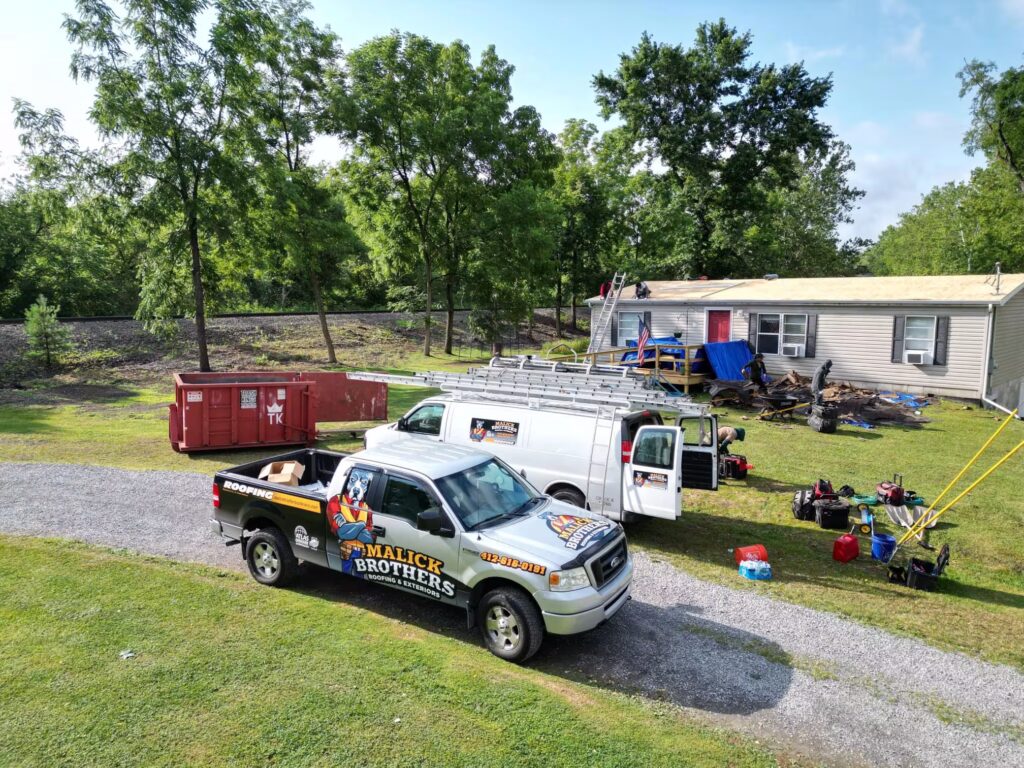
The honest answer: it depends on the age of the system, the extent of the damage, and how many times you’ve been down this road before. Repairs make strong financial sense when the damage is localized and the roof still has meaningful life left. A single leak on a 10-year-old flat roof is not a reason to spend six figures on a full tear-off.
On the other hand, if you’re managing a building where moisture intrusion is widespread, energy bills have been climbing, and the membrane looks visibly aged, commercial roof replacement becomes the better investment. New roofing systems with modern insulation can meaningfully reduce HVAC loads, and the long-term savings often offset the upfront cost faster than most owners expect. A professional inspection is the only reliable way to know which side of that line you’re on.
Quick Reference: Repair vs. Replace at a Glance
| Factor | Lean Toward Repair | Lean Toward Replace |
|---|---|---|
| Roof Age | Under 15 years | Over 20 years |
| Damage Extent | Isolated, less than 25% | Widespread, over 25% |
| Repair History | First or second repair | Multiple costly repairs |
| Energy Performance | Insulation still intact | Declining efficiency, higher bills |
| Business Disruption | Minimal | Frequent leaks affecting operations |
What Are the Signs You Need a Full Commercial Roof Replacement?
Some signs are obvious. Others aren’t. Standing water that doesn’t drain within 48 hours, visible membrane deterioration, widespread bubbling or blistering, and interior water stains that appear in new locations after every storm are all indicators that go beyond a simple patch. Structural sagging is a serious red flag that demands immediate professional evaluation.
One thing that often gets overlooked is moisture entrapment beneath the membrane. Wet insulation loses its effectiveness and puts constant strain on the roof deck below it. By the time that shows up as a ceiling stain, the damage underneath can be substantial. For a deeper look at how restoration factors into this decision, Commercial Roof Restoration vs Replacement: What Pittsburgh Property Owners Should Know is worth reading before you commit to either path.
Will Roofing Prices Go Down in 2026?
This is one of the most common questions we hear from property owners trying to time their projects. The short answer is: probably not significantly. Material costs in the commercial roofing sector have remained elevated, and labor continues to account for roughly 50 to 60 percent of most project totals. Regional demand, seasonal timing, and code compliance requirements all add pressure to pricing.
In 2026, minor commercial repairs are typically running between $4 and $9 per square foot. Full replacements, depending on the material system, are generally falling in the $7.50 to $16.00 per square foot range. Waiting for prices to drop in hopes of a better deal is a gamble that rarely pays off, especially when active moisture damage is accelerating the deterioration of your roof deck in the meantime.
Should I Repair or Replace My Commercial Roof Based on Energy Performance?
Energy efficiency is a legitimate factor in this decision, not just a sales pitch. Older commercial roofing systems lose their insulative value over time, particularly when moisture has compromised the insulation layer. A roof that’s driving up your heating and cooling costs month after month is costing you money even when it isn’t actively leaking.
Modern systems like TPO and PVC are designed with reflectivity and thermal performance in mind. TPO in particular reflects a significant portion of solar radiation, which can produce real reductions in cooling loads during warmer months. If your building is in an area with high seasonal temperatures, the energy savings from a new system can become a meaningful part of the financial case for commercial roof repair or replace analysis.
Why a Professional Inspection Is Non-Negotiable
No article, guide, or checklist replaces boots on the roof. A qualified inspector using infrared scanning technology can detect moisture entrapment that’s invisible from the surface. That information changes the entire conversation. What looks like a repair situation from a maintenance log can look entirely different under infrared imaging.
I’d strongly recommend getting a professional assessment before signing anything. An independent inspection gives you leverage in contractor conversations and helps you understand the actual condition of your roof rather than relying on an estimate from someone who already knows what they want to sell you.
Making the Final Call on Commercial Roof Replacement
When you sit down to make this decision, think about it in terms of total cost of ownership, not just the number on the quote. A repair that buys you five more years might be exactly right. A replacement that resets your maintenance clock for 25 years might be the smarter long-term move. The question isn’t just what it costs today. It’s what it costs you if you wait.
If your roof is young, the damage is isolated, and repairs have been infrequent, fix it and move on. If the system is aging, leaks are becoming a regular disruption to your business, and cumulative commercial roof repair or replace costs are mounting, it’s time to have a serious conversation about commercial roof replacement. Either way, make that decision with a professional assessment in hand, not a gut feeling from the parking lot.