If you manage or own a commercial building, the roof is one of the most expensive components you will ever deal with. It protects everything underneath it, and when it fails, the consequences are rarely cheap or convenient. Understanding the commercial roof lifespan before you are facing an emergency is one of the smartest things a property owner can do. The answer, as with most things in construction, depends on several variables, and it is worth walking through each one.
How Long Does a Commercial Roof Last on Average?
Most commercial roofs will last somewhere between 20 and 30 years under normal conditions. That range can shift dramatically based on the roofing material, the quality of the original installation, your climate, and how consistently the roof has been maintained. Some materials, like metal or clay tile, routinely push past 50 years. Others, like silicon coatings or ballasted systems, tend to top out closer to 20 to 25 years.
The material itself is only part of the equation. A high-quality TPO membrane installed carelessly will underperform a cheaper system that was put on by an experienced crew. Installation quality, particularly around seams, penetrations, and flashing, is where most premature failures begin. Keeping that in mind when you hire a roofing contractor matters more than most building owners realize.
Average Lifespan by Roofing Material
Here is a quick breakdown of how common commercial roofing materials typically perform over time. These figures assume reasonable maintenance and average climate conditions.
| Roofing Material | Expected Lifespan |
|---|---|
| Metal Roofing | 30 to 50+ years |
| Clay or Slate Tile | 50 to 100+ years |
| TPO (Thermoplastic Polyolefin) | 20 to 30 years |
| EPDM (Rubber) | 20 to 30 years |
| PVC (Polyvinyl Chloride) | 20 to 30+ years |
| Built-Up Roofing (BUR) | 15 to 30 years |
| Ballasted Systems | 20 to 25 years |
| Silicone Coatings | Up to 20 years |
Metal and tile systems are the clear long-term winners. For flat or low-slope commercial buildings, TPO, EPDM, and PVC are the most common choices, and all three can perform well into the 25 to 30-year range with proper care. Built-up roofing has been around for over a century for a reason, though it tends to require more attention as it ages.
How Often Should a Commercial Roof Be Replaced?
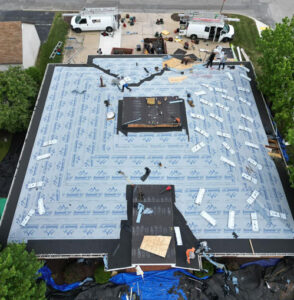
Most commercial roofs come up for serious evaluation somewhere between the 20 and 30-year mark. That does not mean replacement is automatic at year 20. A well-maintained roof can often go longer, while a neglected one might need attention much earlier. Checking in with a qualified contractor every few years in the second half of a roof’s life is a smart habit. For a deeper look at timing and replacement decisions, see How Often Should a Commercial Roof Be Replaced?
Roof replacement timelines are also affected by local building codes and insurance requirements. Some carriers will not renew or will increase premiums significantly on roofs past a certain age, regardless of condition. Knowing where your roof stands gives you more leverage in those conversations.
Is a 20-Year-Old Roof Too Old?
Not necessarily. A 20-year-old commercial roof that has been regularly inspected and maintained may have years of life remaining. The key is getting a professional assessment rather than assuming age alone is the deciding factor. Membrane integrity, drainage performance, and flashing condition tell you more than the installation date does.
That said, a 20-year-old roof does deserve closer attention. You should be scheduling inspections at least once a year, ideally in spring and fall. If you are seeing ponding water, interior leaks, or significant surface cracking, those are warning signs worth acting on quickly. Waiting too long can turn a manageable repair into a full roof replacement timeline that costs far more than it needed to.
What Shortens a Commercial Roof’s Lifespan?
Climate is one of the biggest factors. Roofs in regions with intense UV exposure, heavy snowfall, or frequent freeze-thaw cycles experience more wear than those in mild climates. Thermal expansion and contraction alone can stress seams and flashings over time. The building’s location matters, and so does the orientation of the roof surface to direct sunlight.
Foot traffic is an underestimated problem. HVAC technicians, maintenance crews, and others accessing rooftop equipment can cause membrane punctures or compression damage without realizing it. Installing walkway pads in high-traffic areas is a simple, inexpensive fix that can extend membrane life meaningfully. Debris accumulation, especially around drains, is another common culprit. Blocked drainage leads to ponding, and ponding is one of the fastest ways to degrade a flat roof.
Warning Signs That Your Roof May Be Failing
Standing Water After Rain
If water is still pooling on your roof 48 hours after a storm, your drainage system is not doing its job. Over time, standing water adds weight and degrades the membrane. It also creates the conditions for mold and algae growth, which signals deeper moisture problems. This is something to address quickly, not monitor indefinitely.
Cracked or Deteriorating Sealants
Caulk and sealant around penetrations, vents, and equipment curbs has a shorter lifespan than the roof membrane itself. When it dries out and cracks, water finds its way in. Regular inspections catch this before it becomes a structural problem. Replacing deteriorating sealant is one of the most cost-effective maintenance tasks available.
Damaged or Lifting Flashing
Flashing is the metal or membrane material that seals transitions between the roof and walls, edges, and rooftop equipment. It takes a beating from wind and thermal movement. When flashing lifts or separates, that gap becomes a direct entry point for water. According to the National Roofing Contractors Association, flashing failures are among the leading causes of commercial roof leaks. Catching them early makes a significant difference.
How Long Does a Commercial Roof Last With Proper Maintenance?
The honest answer is that maintenance can add years, sometimes a decade or more, to a roof’s functional life. A TPO membrane that might otherwise need replacement at 22 years could realistically reach 30 with consistent care. That care includes annual professional inspections, clearing debris regularly, addressing small repairs before they spread, and keeping drainage systems clean and functional.

I have seen building owners delay basic maintenance to save money in the short term, only to face a full replacement several years ahead of schedule. The math rarely works in their favor. Proactive attention to the commercial roof lifespan almost always costs less over time than reactive repairs and emergency replacements.
When to Call a Professional
Annual inspections should be the baseline for any commercial property. After a major storm, hail event, or extreme temperature swing, an additional inspection is worth scheduling. If interior leaks appear, visible membrane damage is present, or the roof is approaching the 15-year mark, a professional assessment gives you a clearer picture of where things stand and what options are available. Understanding How Often Should a Commercial Roof Be Replaced? is a question worth asking before you are backed into a corner.
The roof replacement timeline looks different for every building, but having that conversation early puts you in a much stronger position, whether you are budgeting for a replacement, negotiating with an insurance provider, or planning capital improvements. A roof that gets the attention it needs tends to return the investment. One that does not, rarely does.