If you own or manage a commercial property in Pittsburgh, your roof is probably not the first thing on your mind every morning. It should be. A failing roof does not announce itself politely. It shows up as a water stain on a ceiling tile, a spike in your energy bill, or a tenant complaint you were not expecting. The real question is what to do once those warning signs appear.
That decision can save or cost your business tens of thousands of dollars. In this guide, we will walk through the key differences between commercial roof restoration Pittsburgh property owners need to understand and when a full replacement makes more sense.
Understanding Commercial Roof Restoration vs Replacement in Pittsburgh
At its core, roof restoration vs replacement comes down to one thing: the structural condition of your existing system. Restoration involves cleaning, repairing, and applying a protective coating over a roof that is still structurally sound. It extends the life of your current system by 10 to 20 years. Replacement means stripping the roof down to the deck and installing an entirely new system.
For Pittsburgh property owners, climate plays a major role. Our freeze-thaw cycles are brutal on flat commercial roofs. Water infiltrates small cracks, freezes, expands, and creates bigger problems each winter. If that damage has not reached the substrate, restoration is the smarter path.
Do I Need Roof Repair or Replacement?
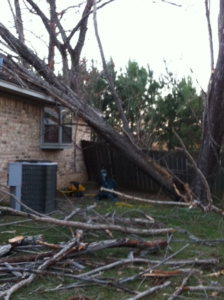
This is one of the most common questions I hear from building owners. Minor issues like isolated leaks, seam separation, or surface cracking typically call for repair or restoration. These are fixable problems. A qualified contractor can patch, reseal, or coat those areas and give you years of additional service.
Replacement becomes the right call when the damage runs deeper. If more than 25% of the roof surface is compromised, if the decking is rotted, or if moisture has saturated the insulation, no coating will solve the problem. A professional moisture survey is the best tool to determine where your roof stands. For a deeper look at repair options, check out Commercial Roof Repair in Pittsburgh: What You Need to Know.
The Cost Advantage of Commercial Roof Restoration in Pittsburgh
Commercial roof restoration Pittsburgh projects typically cost 30% to 60% less than a full replacement. The savings come from avoiding demolition, disposal, and the cost of entirely new materials. You also skip the extended downtime that a tear-off requires.
Restoration coatings are often white and reflective, which reduces cooling costs during summer months. On a large commercial building, that energy savings adds up fast. For property owners watching their operating expenses, that ongoing benefit makes the investment even smarter.
When Full Replacement Is the Only Option
Sometimes restoration is just not in the cards. If your commercial roof has reached the 20 to 30 year mark and shows widespread deterioration, a full replacement gives you a clean slate. You get a brand new warranty, modern materials, and the chance to upgrade insulation and drainage.
Replacement is also the right move when repeated repairs have become a revolving door. I have seen building owners spend more on five years of ongoing fixes than they would have spent on a single replacement project.
Commercial Roof Restoration vs Replacement: A Side-by-Side Comparison
Sometimes the easiest way to weigh your commercial roofing options is to see everything laid out in one place. Here is a quick comparison of the two approaches.
| Feature | Restoration | Replacement |
|---|---|---|
| Cost | 30-60% less than replacement | Higher upfront investment |
| Added Lifespan | 10-20 years | 20-30+ years (new system) |
| Business Disruption | Minimal | Significant (tear-off required) |
| Structural Requirement | Roof must be structurally sound | Addresses structural failure |
| Environmental Impact | Low waste (no tear-off) | Higher waste from demolition |
| Energy Efficiency | Reflective coatings reduce cooling | Modern insulation upgrades |
Is Replacing a Roof on a Commercial Building Tax Deductible?
Yes, and this is where things get interesting. Under Section 179 of the IRS tax code, businesses can deduct the full cost of qualifying commercial roof improvements in the year the work is completed. Recent changes have expanded the deduction limit to $2.5 million for qualified property, including roofing systems on nonresidential buildings.
Both restoration and replacement projects can potentially qualify, though the specifics depend on how the IRS classifies the work. I strongly recommend working with a tax professional who understands these provisions. You can learn more from Vanguard Roofing’s breakdown of 2025 tax deductions.
How Often Should a Commercial Roof Be Replaced?
Most commercial roofing systems last between 20 and 30 years, depending on material and maintenance. TPO and EPDM membranes tend to fall in the 20 to 25 year range. Metal systems can push well past 30 years with proper care.
A roof that receives annual inspections will outlast a neglected one every time. In Pittsburgh, I recommend scheduling professional inspections twice per year. Once in spring after the freeze-thaw cycle, and once in fall before winter. That habit alone can extend your roof’s useful life by years.
Pittsburgh Weather and Your Commercial Roof
Our climate is not kind to flat commercial roofs. Heavy snow loads, ice dams, and temperature swings of 50 degrees within a single week put enormous stress on roofing membranes. Once water gets underneath the surface, freeze-thaw cycles accelerate the damage rapidly.
This is exactly why commercial roof restoration Pittsburgh property owners invest in should be viewed as proactive maintenance. Catching deterioration early saves money and prevents the cascading damage that leads to emergency replacements.
Making the Right Decision for Your Building
Choosing between roof restoration vs replacement is not a decision to make based on price alone. The cheapest option right now might cost you more over the next decade. Start with a professional inspection and a moisture survey.
If the structure is sound, restoration is almost always the better value. It costs less, disrupts your operations less, and keeps materials out of the landfill. If the structure is compromised, replacement protects your building and your long-term investment. Either way, the worst thing you can do is wait.
Get a Professional Assessment
Every commercial roof tells a different story. Age, material, maintenance history, and exposure to Pittsburgh’s weather all play a role in determining the right path forward. Do not guess. Bring in a qualified commercial roofing contractor who can evaluate your specific situation and walk you through your commercial roofing options with real data. The right decision today protects your property for decades to come.