If you own a commercial property in Pennsylvania, you have probably heard about the 25% rule at some point. Maybe your contractor mentioned it. Perhaps your insurance adjuster brought it up after a storm. Either way, understanding this rule can save you thousands of dollars and a lot of headaches when roof damage occurs.
The 25 percent roofing rule is one of those industry standards that affects both building permits and insurance claims. It determines whether you can simply repair damaged sections or whether you need to replace your entire roof. The distinction matters more than most property owners realize, especially when navigating insurance coverage and local building codes.
Understanding the 25% Rule for Roofing in Pennsylvania
At its core, the 25% rule establishes a threshold for roof work. When damage or repairs affect more than 25% of your total roof area, different requirements kick in. This applies to permits, code compliance, and often insurance coverage decisions.
Pennsylvania follows the Uniform Construction Code, which sets statewide standards for construction and renovation work. Under these roofing code requirements, any project affecting 25% or more of the roof area typically requires a permit. Structural changes to the roof's framework also trigger permit requirements regardless of the percentage affected.
The logic behind this threshold is straightforward. Minor repairs should not require the same level of oversight as major renovations. But once you cross that 25% line, authorities want to ensure the work meets current safety and building standards.
How Building Codes Apply the 25% Rule
Permit Requirements for Commercial Roofing
Commercial properties face stricter scrutiny than residential buildings. When your roof repair exceeds the 25% threshold, you will need to pull permits and potentially bring portions of your roof up to current code. This can increase project costs significantly.
The permit process exists to protect building occupants and ensure structural integrity. Inspectors verify that materials meet standards, flashing is properly installed, and drainage systems function correctly. Skipping this step can result in fines, failed inspections, and voided insurance coverage.
When Full Replacement Becomes Mandatory
Sometimes the roof replacement rules require complete tear-off and replacement even when you only want to repair. If your existing roof already has multiple layers, or if the damage reveals underlying structural issues, partial repairs may not be an option. Building officials can mandate full replacement to ensure code compliance.
How Insurance Companies Interpret the 25% Rule for Roofing
Insurance interpretation of this rule varies widely. Each policy has specific language that governs coverage decisions. Understanding your policy before filing a claim can prevent unpleasant surprises.
Most insurers use the 25% threshold as a guideline for determining whether to approve full replacement coverage. If damage exceeds this amount, they may agree that replacement makes more financial sense than patchwork repairs. However, roof age plays a major role in these calculations.
How Old May a Roof Be Before Insurance Claims It is Too Old?
This question comes up constantly, and the answer depends on your specific policy and roofing material. For asphalt shingle roofs, many insurers become reluctant to cover full replacement once the roof exceeds 15 to 20 years of age. Metal and tile roofs may receive longer coverage windows due to their extended lifespans.
Some policies include depreciation clauses that reduce payouts based on roof age. A 20-year-old roof might only receive 50% of the replacement cost even if it suffers total damage. Other policies offer replacement cost coverage that pays for a new roof regardless of age, though these policies typically carry higher premiums.
I always recommend reviewing your policy with your agent before disaster strikes. Knowing exactly what you are covered for eliminates confusion during stressful claim situations.
| Roof Age | Typical Insurance Response | Coverage Likelihood |
|---|---|---|
| 0-10 years | Full replacement often covered | High |
| 10-15 years | May require inspection | Moderate |
| 15-20 years | Depreciation often applied | Lower |
| 20+ years | Limited coverage likely | Minimal |
Does PA Require a Roofing License?
Pennsylvania does not have a statewide roofing license requirement. However, this does not mean contractors can operate without credentials. Most municipalities require contractors to register and obtain local business licenses before performing work.
For commercial projects, hiring a contractor with proper insurance and certifications protects your investment. Look for contractors who carry general liability insurance, workers compensation coverage, and manufacturer certifications for the roofing systems they install. These credentials matter more than a state license in terms of quality assurance.
Working with experienced professionals ensures your project meets all applicable commercial roofing regulations and passes inspection the first time.
What Is the Class Code for Roofing Insurance?
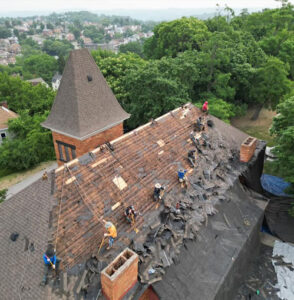
Roofing contractors fall under specific classification codes for workers compensation and general liability insurance. The most common workers compensation class code for roofing is 5551, which covers roofing work including repairs, installation, and replacement.
This code carries some of the highest insurance rates in the construction industry due to the inherent risks of working at heights. Property owners should verify their contractor's insurance uses the correct classification. Misclassified policies can leave you liable if accidents occur on your property.
Recognizing When Repairs Cross the 25% Threshold
Determining whether damage exceeds 25% requires professional assessment. Visible damage often represents only a fraction of actual problems. Water infiltration, hidden deterioration, and compromised underlayment can push seemingly minor damage over the threshold.
If you notice leaks, missing materials, or storm damage, getting a thorough inspection is essential. Check out this guide on Signs Your Commercial Roof Needs Repair vs Replacement for detailed information on evaluating your roof's condition.
Professional inspectors document damage systematically, which helps with both permit applications and insurance claims. Their reports provide the evidence needed to support your case for coverage.
Can You Claim a New Roof on Your Taxes in PA?
Tax treatment of roof replacement depends on whether you own the property for business or personal use. Commercial property owners can typically depreciate roof replacement costs over the useful life of the improvement. The IRS generally considers roofing a capital improvement subject to depreciation rather than an immediate deduction.
Some energy-efficient roofing materials may qualify for tax credits or incentives. Cool roofing systems rated by the Cool Roof Rating Council can provide additional savings beyond standard depreciation benefits.
For residential rental properties, similar depreciation rules apply. Consult with a tax professional to understand exactly how roof replacement affects your specific tax situation.
Navigating Insurance Claims Successfully
Filing a roof damage claim requires documentation and patience. Start by photographing all visible damage before making temporary repairs. Contact your insurance company promptly and request an adjuster visit.
Having your own contractor provide an independent assessment creates valuable leverage. Insurance adjusters work for the insurance company, not for you. An independent estimate ensures you have accurate damage documentation when negotiating your claim.
Keep all receipts for temporary repairs and document any communication with your insurer. These records prove invaluable if disputes arise about coverage or repair scope.
Final Thoughts on the 25% Rule
The 25 percent roofing rule affects every commercial property owner in Pennsylvania at some point. Whether you are dealing with storm damage, age-related deterioration, or planned renovations, understanding this threshold helps you make informed decisions.
Work with qualified professionals who understand both the building code requirements and insurance claim processes. Their expertise ensures your project stays compliant while maximizing any insurance benefits you are entitled to receive. Taking time to understand these rules before problems arise puts you in the strongest possible position when roofing issues demand attention.