Choosing materials for a flat roof in Western PA isn’t theoretical—it’s practical, seasonal, and budget-bound. We deal with snow loads, freeze–thaw cycles, spring rains, and summer heat. That mix demands durability, watertight seams, and smart insulation choices. In this guide, I’ll walk through the systems that consistently perform here, what to expect from each, and how to match a roof to your building and budget.
What’s the Best Roof for a Commercial Flat Roof in Pittsburgh Weather? Key Local Factors
Pittsburgh’s climate puts seams, flashings, and penetrations to the test. Single-ply membranes (EPDM, TPO, PVC) earn their keep with welded or well-adhered seams and proven details. BUR and modified bitumen offer layered protection but add weight. SPF delivers airtight insulation value if expertly installed. If you want help sorting your best commercial flat roof choices, start by mapping your building’s use, foot traffic, and energy goals.
What is the best roofing material for a commercial flat roof?
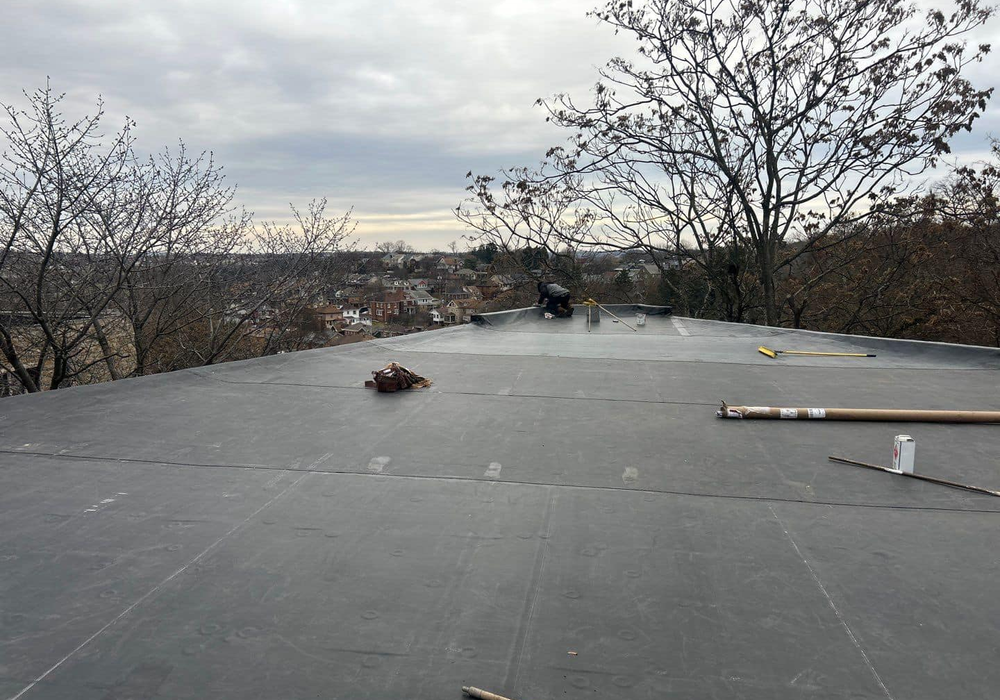
There’s no single winner for every roof. EPDM excels at cold-weather flexibility and value. TPO and PVC shine where reflectivity and seam strength matter. Modified bitumen brings rugged waterproofing and patchability to older structures. BUR provides multi-layer durability, while SPF is unbeatable for continuous insulation and air sealing—when installed by skilled pros. For many Pittsburgh commercial roofing projects, a single-ply membrane with proper insulation strikes the best balance.
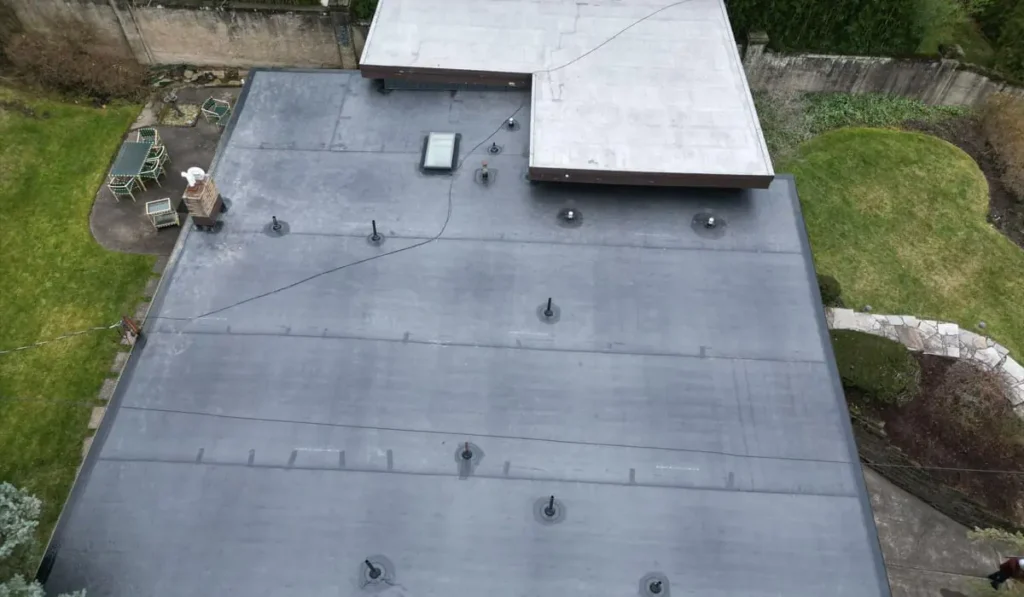
Pros and Cons at a Glance (Table)
| System | Lifespan (typical) | Core Strengths | Common Tradeoffs | Best Fit |
|---|---|---|---|---|
| EPDM | 20–30 yrs | Budget-friendly, cold-flexible | Prone to punctures; shrinkage at edges | Value-focused roofs with light foot traffic |
| TPO | 20–30 yrs | Highly reflective, welded seams | Quality varies by manufacturer | Energy-conscious facilities |
| PVC | 25–40 yrs | Chemical/grease/fire resistance; welded seams | Higher upfront cost | Restaurants, industrial or lab settings |
| Modified Bitumen | 15–25 yrs | Tough, easy patching, strong waterproofing | Labor-intensive; some torch-applied | Older buildings, traditional details |
| BUR | 20–30+ yrs | Multi-layer durability, impact/fire resistance | Heavy; longer install time | Large roofs with minimal traffic |
| SPF | 25–50 yrs | Seamless air/thermal barrier; lightweight | Weather-sensitive install; needs expertise | Efficiency-first retrofits, complex roofs |
Which is better EPDM or PVC flat roofing?
Think use-case. EPDM is forgiving in cold installs and keeps costs predictable. It’s great for large footprints where budget matters and rooftop grease/chemicals are not a concern. PVC, by contrast, offers welded seams and superior resistance to oils, fats, and many chemicals. That makes it a go-to for restaurants, food service, and certain industrial roofs. If your building’s equipment exhausts contaminants, PVC often delivers the best commercial flat roof outcome over the long haul.
What are the common problems with EPDM roofs?
EPDM’s typical issues are practical: punctures from dropped tools or sharp debris, seam failures when aged adhesives fatigue, and perimeter shrinkage stressing flashings. Most of these are manageable with scheduled inspections, walkway pads near equipment, and crisp edge detailing. If your roof sees frequent trades traffic, consider tougher surface protections—or evaluate welded-seam systems like TPO/PVC for a more robust flat roof options path.
What is the longest lasting flat roof material?
“Longest lasting” depends on design, installation quality, and maintenance. Properly installed standing seam metal over a suitable flat or low-slope assembly can push several decades, but it’s a premium choice with strict detailing requirements. High-quality PVC and well-maintained BUR systems can also deliver 30–40 years. SPF routinely lasts decades when protected with timely recoats. For many Pittsburgh commercial roofing projects, longevity is won or lost in the details: insulation strategy, slope-to-drain, terminations, and routine care.
Energy and insulation: where the real savings live
Flat roofs are energy workhorses when you match insulation and membrane to your interior use. White TPO/PVC membranes reduce heat gain on cooling-dominant spaces; dark EPDM may help in heating-dominant zones. SPF uniquely combines high R-value with an air seal, cutting thermal bridging and helping stabilize interior temperatures. Whatever you choose, invest in tapered insulation for drainage—ponding water shortens membrane life and stresses seams.
When metal makes sense on “flat” roofs
Metal isn’t just for steep slopes. On low-slope structures, mechanically seamed standing seam can be engineered for watertight performance and thermal movement. It adds upfront cost but brings rugged durability and a clean look around parapets. If you’re after a long-view capital plan with minimal membrane maintenance, metal can be the best commercial flat roof approach—provided the deck, slope, and detailing are correct.
Maintenance and repair strategy that actually works
Even the best system needs care. Plan seasonal inspections, clear drains, and document every repair. Walkway pads near HVAC units and service routes prevent point damage. For a deeper dive on repair strategy and material comparisons, see Flat Roof Options for Pittsburgh Businesses. A light maintenance program often adds years to service life and keeps warranties in good standing.
Budget, lifespan, and ROI: choosing with eyes open
Chasing the lowest bid often backfires when ponding, poor terminations, or thin insulation spike operating costs. Price your project as a lifecycle decision: material, insulation thickness, installation quality, and maintenance. TPO or PVC with the right insulation can reduce HVAC loads; EPDM may offer first-cost savings; SPF can trim energy bills immediately. Align your flat roof options with cash flow and ownership horizon.
A practical decision checklist for facility teams
Start with your building’s realities: roof traffic, equipment exhaust, and interior use. Confirm drainage with a tapered plan. Pick a membrane for the environment—PVC near kitchens, TPO for reflectivity, EPDM for simple value, SPF for thermal continuity. Verify manufacturer credentials, warranty terms, and installer track record. Finally, lock in a maintenance plan with semi-annual inspections from a Pittsburgh commercial roofing specialist so small issues never become big ones.
What’s the Best Roof for a Commercial Flat Roof in Pittsburgh Weather? Final Take
For many owners, a properly insulated single-ply (TPO or PVC) delivers the best blend of cost, performance, and maintenance. EPDM remains a reliable value when traffic and chemical exposure are low. Modified bitumen and BUR still earn a place on traditional structures. SPF is unbeatable for energy and air sealing when you have an experienced applicator. The “best” answer is the system that fits your building’s use, climate stress, and budget—and the one installed by a contractor who will stand behind it.