Choosing the right flat roof system is one of the most important investments a business can make in Pittsburgh. The city’s unpredictable weather—snowstorms, rain, heat, and freeze-thaw cycles—demands durable, energy-efficient, and cost-effective roofing solutions. Businesses also need to balance long-term performance with budget and maintenance considerations. In this guide, we’ll explore the most effective flat roof options for Pittsburgh businesses, comparing their strengths, weaknesses, and ideal use cases.
What Type of Roofing Is Best for a Flat Roof?
Flat roofs require specialized materials to prevent pooling water and heat-related damage. Unlike pitched roofs, they cannot rely on gravity alone for drainage. The best flat roof materials combine waterproofing, UV resistance, and insulation.
In Pittsburgh, the five most popular systems are:
- Thermoplastic Polyolefin (TPO)
- Modified Bitumen
- Polyvinyl Chloride (PVC)
- Built-Up Roofing (BUR)
- Spray Polyurethane Foam (SPF)
Each material has distinct benefits depending on whether you prioritize energy savings, budget, foot traffic resistance, or longevity. EPDM rubber is also a widely used option for residential or mixed-use properties.
TPO Roofing Membrane
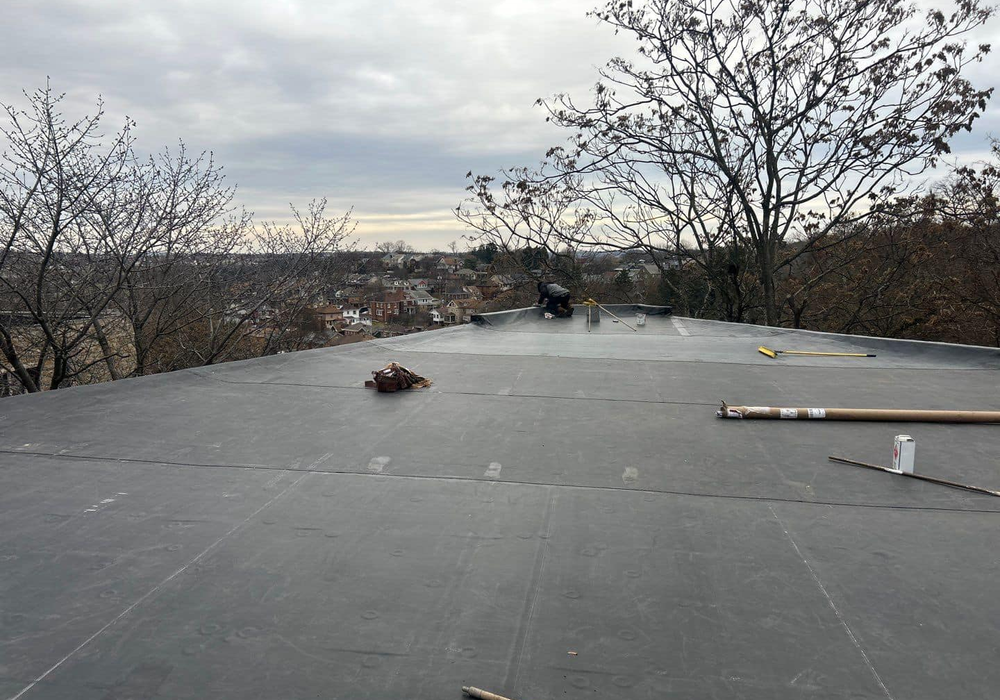
TPO is one of the fastest-growing commercial flat roofing systems in the U.S. Known for its bright white, reflective surface, it helps lower cooling costs during Pittsburgh’s hot summers. The material is lightweight and flexible, making installation straightforward.
Key Advantages:
- Lasts about 25 years
- Resistant to punctures, tears, mold, and algae
- Energy-efficient due to high reflectivity
- Budget-friendly compared to PVC
For many businesses searching for flat roof contractors near me, TPO represents the perfect balance of affordability and performance.
Understanding Flat Roof Systems: Modified Bitumen
Modified bitumen combines asphalt with rubber or plastic polymers to form durable, layered sheets. It is heat-sealed or cold-applied, creating a nearly seamless barrier against water intrusion. This system is especially effective on roofs that experience heavy foot traffic, such as office buildings with rooftop HVAC access.
Benefits:
- Strong against tears and cracks
- Great for foot traffic
- Eco-friendly options available
- Average lifespan: 20 years
Businesses needing resilient flat roof Pittsburgh solutions often select modified bitumen for its durability and low leak risk.
PVC Roofing Membrane
PVC is another single-ply system with welded seams that deliver outstanding waterproofing. It is also highly resistant to fire and chemicals, making it a preferred option for restaurants, industrial buildings, and facilities with grease vents.
Advantages:
- Lasts 20+ years
- Strong fire and chemical resistance
- White surface reflects heat for comfort indoors
- Recyclable and eco-conscious
PVC roofs may cost slightly more than TPO, but their durability and performance in specialized environments make them a smart long-term investment.
Built-Up Roofing (BUR)
Built-Up Roofing, also called tar-and-gravel roofing, has been around for over a century. It uses alternating layers of asphalt and felt, finished with gravel. BUR is valued for its affordability and reliable protection in harsh climates.
Benefits:
- Lasts 15–30 years
- Low maintenance
- All-weather protection against rain, snow, and UV rays
- Affordable for businesses on a budget
For cost-conscious owners seeking commercial flat roofing, BUR offers time-tested durability at a lower price point.
Spray Polyurethane Foam (SPF)
SPF roofing is applied as a liquid that expands into foam, creating a seamless, insulating barrier. It is self-sealing, energy-efficient, and can last far longer than most systems with proper recoating.
Benefits:
- Excellent insulation and heat resistance
- Seamless waterproof protection
- Lifespan of up to 50 years with maintenance
- Easy to repair and maintain
While less common, SPF is gaining traction in Pittsburgh as energy costs rise and businesses seek long-term sustainability.
Which Roof Is Better, EPDM or TPO?
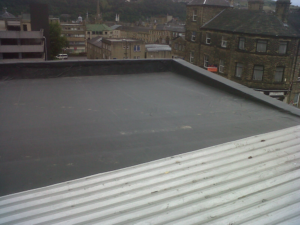
Both EPDM and TPO are popular single-ply membranes, but they serve different purposes.
- EPDM (rubber roofing): Black, flexible, and excellent at handling freeze-thaw cycles. Lasts 25–30 years with maintenance. Best for smaller commercial buildings or residential flat sections like garages.
- TPO: White, reflective, and superior for energy savings. Also strong against punctures and tears. Typically more affordable upfront than PVC.
If your priority is heat reflection and lower summer energy bills, TPO is the stronger choice. For long-term durability in Pittsburgh’s variable winters, EPDM is worth considering.
For more detail, see Membrane Roofing: Flat Roof Solutions in Western PA – 2025.
What Is the Cheapest Option for a Flat Roof?
When cost is the primary concern, Built-Up Roofing and Modified Bitumen are often the cheapest upfront choices. These systems have been used for decades and deliver reliable protection with reasonable lifespans.
However, businesses should think about long-term savings as well. TPO and SPF may cost more at installation but can dramatically reduce energy bills. Lower maintenance costs also make these systems more cost-effective over time.
What Are the Three Types of Flat Roofs?
Flat roof categories generally fall into three groups:
- Single-Ply Membranes – Includes TPO, PVC, and EPDM. Known for flexibility, waterproofing, and energy efficiency.
- Built-Up Systems – Multi-layered asphalt and felt with gravel surfacing. Reliable and affordable.
- Spray Foam Coatings – Seamless and highly insulating, designed for long lifespans.
Most businesses in Pittsburgh rely on single-ply membranes for efficiency or BUR for affordability. SPF is an emerging option for those prioritizing sustainability.
Maintenance Tips for Flat Roofs in Pittsburgh
No matter which system you choose, proper upkeep is essential:
- Clean debris to prevent drainage issues
- Inspect after storms for pooling water or punctures
- Check seams, flashing, and joints regularly
- Schedule professional inspections at least once a year
Partnering with trusted flat roof contractors near me ensures your system remains in peak condition and problems are addressed before they escalate.
Why Businesses Trust Malick Brothers Exteriors
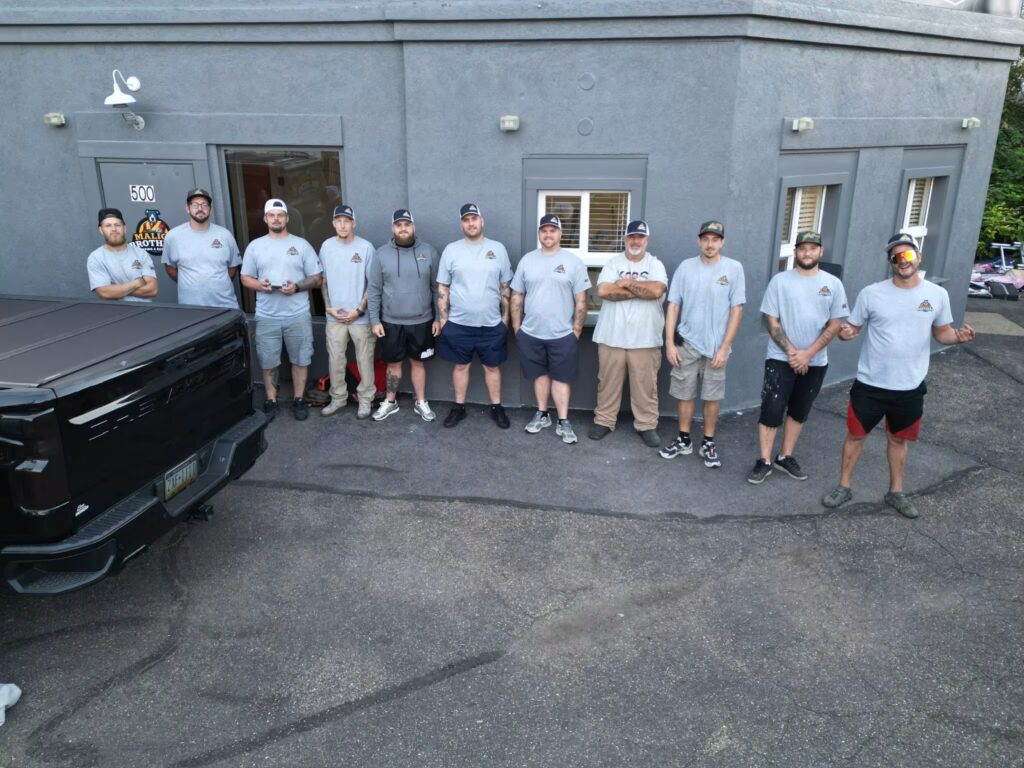
At Malick Brothers Exteriors, we specialize in flat roof Pittsburgh installations and repairs tailored to local weather. We’ve worked with both residential and commercial clients, delivering durable, long-lasting solutions. Our team emphasizes clear communication, premium materials, and professional craftsmanship.
Whether you’re upgrading from BUR, installing TPO for efficiency, or considering SPF for long-term sustainability, we help you find the system that matches your budget and goals. Reach out today at Malick Brothers Exteriors Contact Page or call (412) 616-0191 for a free consultation.