Frequently Asked Questions
Can a tile roof be repaired?
Tile roofs can be repaired. Whether it involves replacing cracked tiles or addressing leaks, experienced professionals can effectively restore the integrity of a tile roof without the need for a full replacement.
What is the average cost to replace a tile roof?
The average cost to replace a tile roof typically ranges from $15,000 to $30,000, depending on factors such as the size of the roof, the type of tiles used, and labor expenses specific to the Pittsburgh region.
How much does it cost to replace a tile roof on a 2500 square foot house?
The cost to replace a tile roof on a 2500 square foot house typically ranges from $15,000 to $30,000, depending on the type of tiles, labor costs, and any additional features or repairs needed.
Are tile roofs more expensive than shingles?
Tile roofs are generally more expensive than shingles. While they offer durability and longevity, the upfront material and installation costs can be significantly higher compared to traditional asphalt shingles.
How much does it cost to fix a tile roof?
The cost to fix a tile roof varies based on factors like the extent of damage, labor, and materials needed. On average, repairs can range from $300 to $1,000, but it’s best to consult a local expert for an accurate estimate.
How much does it cost to repair one roof tile?
The cost to repair one roof tile typically ranges from $100 to $300, depending on the type of tile and local labor rates. Factors like accessibility and the extent of damage may also influence the final price.
How much does it cost to replace a roof in Pittsburgh PA?
The cost to replace a roof in Pittsburgh, PA, typically ranges from $5,000 to $15,000, depending on factors like roofing material, the size of your home, and labor costs.
What are the risks of tile roof repairs?
The risks of tile roof repairs include potential structural damage, improper installation leading to leaks, and the inherent fragility of tiles during handling. Additionally, repairs may not address underlying issues, resulting in future complications.
How long do tile roofs last?
The lifespan of tile roofs typically ranges from 50 to 100 years, depending on maintenance and environmental factors. However, in Pittsburgh's climate, this longevity can be affected by conditions such as temperature fluctuations and snow accumulation.
What maintenance do tile roofs require?
The maintenance required for tile roofs includes regular inspections for damaged or loose tiles, cleaning to prevent debris buildup, and ensuring proper drainage to avoid leaks. Routine maintenance helps extend the roof's lifespan and maintain its aesthetic appeal.
Can roof tiles withstand heavy snowfall?
Roof tiles can struggle to withstand heavy snowfall. In regions like Pittsburgh, the weight of accumulated snow may lead to potential roofing issues, making other roofing materials more suitable for local climate challenges.
What materials are used for tile roofs?
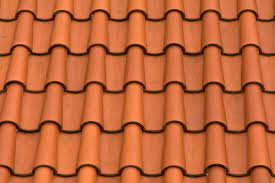
Tile roofs are primarily made from materials such as clay, concrete, and slate. These materials are chosen for their durability, thermal properties, and aesthetic appeal, making them popular options for various architectural styles.
How to choose the right tile roofing?
Choosing the right tile roofing involves considering factors such as climate suitability, roof pitch, and maintenance requirements. In Pittsburgh, it's essential to select tiles that can withstand heavy rain and snow while providing adequate insulation.
What are tile roof installation challenges?
The challenges of tile roof installation in Pittsburgh include the region's heavy snowfall, fluctuating temperatures, and potential for moisture accumulation, which can compromise the roof's structural integrity and lead to costly repairs over time.
Is tile roofing eco-friendly and sustainable?
Tile roofing can be eco-friendly and sustainable. Made from natural materials, tile roofs have a long lifespan and are recyclable, reducing landfill waste. However, the energy required for production and transportation can impact their overall sustainability in certain regions, including Pittsburgh.
What are common issues with tile roofs?
Common issues with tile roofs include susceptibility to cracking, heavy weight requiring strong structural support, potential leakage from improperly installed tiles, and difficulty in repairs. These challenges can be exacerbated by the unique climate conditions in Pittsburgh.
How to find a reliable tile roofing contractor?
Finding a reliable tile roofing contractor involves researching local companies, checking online reviews, and asking for referrals. Ensure the contractor is licensed, insured, and experienced in handling tile roofs, particularly in your region's climate conditions.
Can tile roofs handle Pittsburgh weather?
Tile roofs may struggle to handle Pittsburgh weather due to the area's heavy snowfall, freeze-thaw cycles, and potential structural stress. While they can offer aesthetic appeal, their durability in these conditions is often limited.
What signs indicate a need for roof repair?
Signs that indicate a need for roof repair include missing or damaged shingles, visible leaks or water stains inside the home, sagging rooflines, granules in gutters, and significant wear around flashings and vents.
How often should I inspect my tile roof?
Inspecting your tile roof regularly is essential. You should conduct inspections at least twice a year, ideally in the spring and fall, and after significant weather events to ensure it remains in good condition and address any potential issues early.
Are there different types of roof tiles?
There are several different types of roof tiles available. Common options include clay tiles, concrete tiles, slate tiles, and metal tiles, each offering unique aesthetics and performance characteristics suitable for various climates and architectural styles.
What are the advantages of tile roofing?
The advantages of tile roofing include exceptional durability, resistance to severe weather, and energy efficiency. Additionally, tile roofs offer a long lifespan and aesthetic appeal, enhancing the overall value of a home.
How to properly maintain a tile roof?
Proper maintenance of a tile roof involves regular inspections, clearing debris, and checking for cracked or broken tiles. Ensure proper drainage and cleanliness, and schedule professional assessments to address any issues promptly.
What factors affect tile roof repair costs?
The factors that affect tile roof repair costs include the extent of damage, the type of tile used, labor costs, and the accessibility of the roof. Seasonal weather conditions in Pittsburgh can also impact repair timelines and expenses.
When is the best time for roof installation?
The best time for roof installation is typically during late spring or early fall. These seasons offer mild temperatures and lower chances of precipitation, ensuring optimal conditions for roofing materials to adhere properly and minimizing weather-related delays.
How do I know when to replace tiles?
Knowing when to replace tiles involves assessing their condition. Look for signs of cracks, missing tiles, or significant wear; if leaks occur or insulation is compromised, it's time for replacement to maintain your roof's integrity.
What challenges does moisture present for tile roofs?
Moisture presents several challenges for tile roofs, particularly in Pittsburgh. It can lead to mold growth, erosion, and increased weight from water accumulation, compromising their structural integrity and longevity in the region's damp climate.
What warranties are available for tile roofs?
Warranties available for tile roofs typically include manufacturer warranties, which cover defects in materials for 20 to 50 years, and workmanship warranties from the installing contractor, usually lasting 1 to 10 years.
How does tile roofing compare to asphalt shingles?
Tile roofing offers durability and aesthetic appeal, while asphalt shingles provide cost-effectiveness and easier installation. In Pittsburgh's climate, asphalt shingles are often more suitable due to their ability to withstand fluctuating weather conditions.
How can hail damage affect tile roofing?
Hail damage can significantly affect tile roofing by causing cracks or chips in the tiles, leading to potential leaks and reduced protection from the elements. This damage can compromise the roof's integrity, requiring costly repairs or replacements.