Table of Contents
If you have been putting off a siding project, you are not alone. The hold-up usually comes down to one question: when should I actually do this? I have seen homeowners rush into summer projects only to deal with warped panels a year later. The truth is, there is no single perfect week on the calendar. But there are smarter windows of time, and understanding them can save you real money and headaches.
What Time of Year Is Best to Replace Siding?
Fall consistently ranks as the top siding installation season among contractors and manufacturers. Temperatures typically hover between 50 and 70 degrees Fahrenheit, which is the sweet spot for most materials. Humidity drops, rain becomes less frequent, and panels sit flat without fighting the elements.
Spring comes in as a close second. Mild, dry days give crews comfortable working conditions and plenty of daylight. It is also a natural time to assess any damage your home picked up over winter. Both seasons offer what professionals consider the best weather for siding work.
Why Fall Is the Best Time of Year to Install Siding
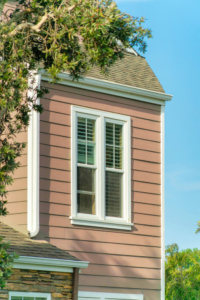
There is a reason experienced contractors recommend fall above all other seasons. Cool, stable air temperatures prevent vinyl from expanding or contracting beyond its intended range. Siding installed in its natural state stays tight and uniform for years. Panels that go up during extreme heat or cold are far more likely to buckle or crack.
Fall also gives you a chance to button up your home before winter. New siding paired with fresh insulation can noticeably reduce your heating bills. Contractor availability tends to open up in September and October, which often means faster turnaround and better pricing.
Spring Siding Installation: A Strong Runner-Up
Spring offers many of the same advantages as fall. Temperatures are moderate and predictable. The air is dry enough to keep moisture from getting trapped behind panels. For homeowners who noticed cracked or loose siding over winter, spring is the time to act before small problems become expensive ones.
Watch for sudden temperature swings in early spring. A week of 65-degree days can be followed by a late frost, which complicates scheduling. If you are weighing when to install siding, late spring typically offers the most reliable stretch of cooperative weather.
Can You Install Siding in Summer?
Summer is when most people think about home improvement, but it is not always ideal for siding. High temperatures cause vinyl to become overly flexible. Panels stretch during installation, then contract when cooler weather arrives. This creates gaps, warping, and uneven results.
That does not mean summer is off the table. If your region stays below 85 degrees, you can still get solid results. Scheduling work in early morning helps. Just know that peak summer also means peak demand, so you will likely pay more and wait longer for a crew.
Is It Okay to Replace Siding in Winter?
Yes, it is possible. But it requires careful planning. Cold temperatures make vinyl stiff and brittle, increasing the risk of cracking during handling and nailing. Crews also deal with shorter daylight hours and unpredictable weather delays that can stretch a project timeline.
On the flip side, winter can be the most affordable time to schedule the work. Many contractors offer discounts during slower months to keep their crews busy. If budget is your primary concern, a winter install can work out well with the right team. For a related look at seasonal timing, check out Best Times to Replace Your Roof in Pittsburgh: A Seasonal Guide.
How Cold Is Too Cold for Siding?
The general guideline is that vinyl siding should not be installed below 40 degrees Fahrenheit. Below that threshold, the material becomes brittle enough that cutting and nailing can cause cracks. Some manufacturers push the limit to 35 degrees, but the risk increases with every degree lost.
Fiber cement siding, like James Hardie products, is more forgiving and can be installed in temperatures as low as 20 degrees. According to CertainTeed’s installation guide, leaving extra expansion gaps is critical when working in colder conditions.
Seasonal Cost Differences for Siding Projects
The time of year you schedule your project directly affects your wallet. Here is how the seasons compare:
| Season | Temperature Range | Contractor Demand | Typical Cost Impact |
|---|---|---|---|
| Fall | 50 – 70°F | Moderate | Competitive pricing |
| Spring | 50 – 70°F | Moderate to High | Standard pricing |
| Summer | 75 – 95°F+ | High | Premium pricing |
| Winter | 20 – 40°F | Low | Discounted pricing |
Fall and winter tend to offer the most room for negotiation. Summer is typically the most expensive siding installation season because contractors have full schedules and less reason to discount.
How Material Choice Affects Your Installation Timeline
Not all siding responds to weather the same way. Vinyl is the most temperature-sensitive option. It expands in heat and contracts in cold, which is why moderate temperatures matter. Wood handles temperature swings better but is more vulnerable to moisture.
Fiber cement holds its shape across a wide range of temperatures and resists moisture better than both vinyl and wood. If scheduling flexibility matters, fiber cement opens up more of the calendar. Dry conditions always produce the best results regardless of material.
Tips for Planning Your Siding Project
Book Early in the Season
Contractors fill their fall schedules fast. If you want to take advantage of the best weather for siding, reach out for quotes in July or August. Waiting until October often means getting pushed into a less ideal window.
Get Multiple Estimates
Pricing varies widely between contractors, especially across seasons. Collecting three to four bids gives you a realistic picture. Ask about their experience with your material type.
Inspect Before You Install
Before new siding goes up, your contractor should evaluate the sheathing and insulation underneath. Rotting sheathing or outdated house wrap can undermine even the best siding job. Understanding when to install siding is only part of the equation. Preparing your home properly is just as important.

Final Thoughts on the Best Time of Year to Install Siding
Choosing the right season for your siding project is not just about comfort. It directly impacts material performance, installation quality, and long-term durability. Fall remains the gold standard. Spring is a strong alternative. Summer and winter each have their place, but they come with trade-offs.
Whatever season you land on, work with a contractor who understands how weather affects the process. A skilled team will adapt and deliver results that hold up for decades. Plan it right, and your new siding will be one of the best investments you make in your home.