Choosing the wrong siding for your home can turn into years of frustration. We have seen Pittsburgh homeowners pay for repair after repair simply because the material on their walls could not handle our freeze and thaw winters, humid summers, or the upkeep it demanded. Not all siding performs equally, and some products that look great in a showroom fail quickly once they face real weather.
Your exterior is the first line of defense against moisture, pests, and temperature swings. When that barrier fails, the damage goes well past looks: rot in the sheathing, mold in the wall cavity, and repairs nobody planned for. Before you pick a product, it helps to know which choices tend to cause trouble and why. If you are already weighing options, our siding installation team installs James Hardie fiber cement and Mastic vinyl siding across the Pittsburgh area and can walk your house with you.
What Siding to Avoid on a House Exterior?
A few materials consistently cause headaches. That does not make them bad for every house, but you should go in with your eyes open.
Traditional wood siding. Cedar and pine are beautiful, but they need repainting or restaining every few years, and they stay vulnerable to rot, warping, and insects no matter how carefully you maintain them. On shaded Pittsburgh hillsides where walls stay damp, wood tends to struggle even more.
Aluminum siding. Aluminum dents easily from hail, falling branches, or a stray baseball, and those dents are hard to fix without replacing whole pieces. It also chalks and fades over time and can be noisy in wind and rain. Many older homes in the region still have it, and it often looks tired.
Thin, bargain vinyl. Low grade vinyl can crack in hard cold and warp near heat sources like grills. That is a problem with cheap product, not with vinyl as a category. A well made, properly installed vinyl siding, such as the Mastic lines we install, holds up well and stays low maintenance. The difference is in panel thickness, the locking system, and installation that leaves room for the panels to move.
Understanding Problematic Siding Choices and Moisture Damage
Moisture is the quiet destroyer of homes. When siding lets water get behind it or traps water against the wall, problems develop fast. Rot spreads into framing, mold settles into wall cavities, and the structure weakens.
Synthetic stucco, known as Exterior Insulation and Finish Systems or EIFS, has a troubled reputation for this reason. When installed without a proper drainage plane, older EIFS can hold water against the sheathing with no way out, and the damage stays hidden until it is serious. The material is not inherently bad, and newer drainable systems perform better, but installation errors are common and the consequences are severe.
Signs of Moisture Intrusion
Watch for peeling paint, bubbling surfaces, soft spots when you press on the siding, and musty smells near exterior walls. Staining that shows up after rain is another sign that water is getting where it should not. Deal with these early, before a small leak becomes a framing repair.
What Is the 25% Rule in Roofing?
This article is about siding, but the roofing 25% rule offers a useful way to think. It comes from the Florida building code: if more than 25% of a roof section needs repair or replacement within a 12 month period, the whole section must be brought up to current code. Pennsylvania does not use that exact rule, but the logic carries over to siding.
When you are deciding between repair and replacement, look at the whole exterior, not just the damaged wall. Patching one area while ignoring widespread wear often leads to repeated repair bills. Sometimes full replacement is the smarter long term decision, and sometimes a targeted repair is all you need. An honest inspection should tell you which.
Pest Infestation and Temperature Extremes
Wood siding draws pests. Termites can work on structural members for years before damage shows. Carpenter ants dig galleries through softened wood. Woodpeckers drill holes looking for insects and leave openings for water.
Temperature swings punish weak materials. Pittsburgh sees hot, humid summers and winters that bounce above and below freezing again and again. Every swing makes siding expand and contract. Thin vinyl that was nailed too tight eventually cracks or buckles, and wood cups and splits as its moisture content changes with the seasons.
What Is Considered the Best Siding for a House?
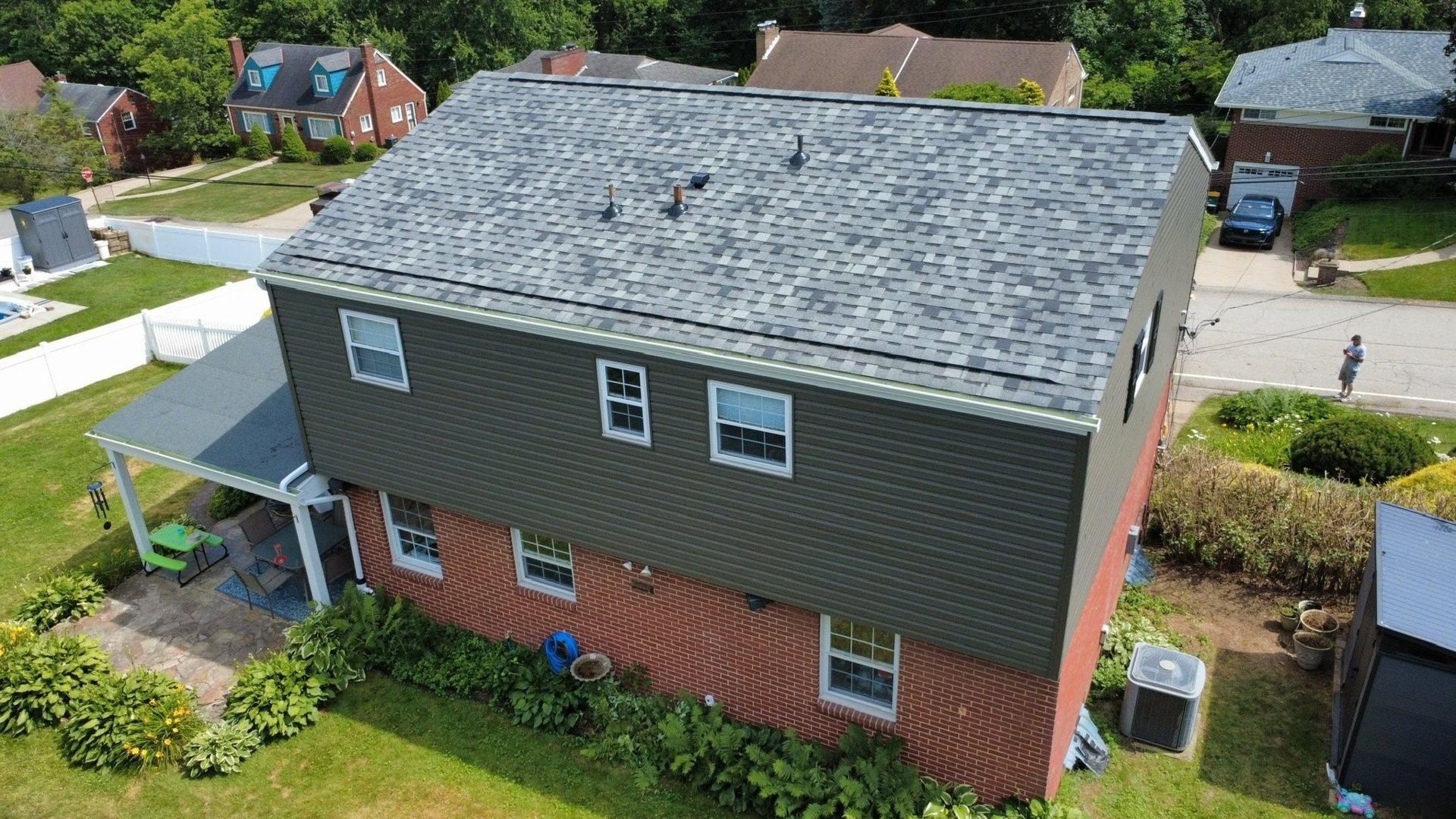
There is no single best siding for every house, but a few options stand out for our climate.
Fiber cement. Made from cement, sand, and cellulose fibers, fiber cement resists fire, insects, rot, and moisture. It holds paint well and needs far less upkeep than natural wood. James Hardie, the product we install, is engineered with climate in mind and backed by a long manufacturer warranty. It is heavier and takes more skill to install, which is why the crew matters.
Quality vinyl. A good vinyl siding is the most budget friendly low maintenance choice. Mastic offers thicker panels and a range of profiles and colors that suit Pittsburgh homes, from brick front city houses to suburban ranches.
Engineered wood. Engineered wood uses resins and binders that greatly improve moisture resistance over natural wood. It is a fair choice for homeowners who want a wood look with less upkeep, though it still needs paint and careful detailing at cuts and edges. We do not install it, but we will tell you honestly how it compares.
| Siding Material | Typical Lifespan | Maintenance Level | Key Concerns |
|---|---|---|---|
| Traditional Wood | 15 to 40 years | High | Rot, pests, warping |
| Low Grade Vinyl | 10 to 20 years | Low | Cracking, warping, melting |
| Quality Vinyl | Several decades | Low | Needs room to expand and contract |
| Aluminum | 20 to 40 years | Low | Denting, fading, noise |
| EIFS (Synthetic Stucco) | 20 to 30 years | Medium | Trapped moisture if poorly installed |
| Fiber Cement | 50 years or more | Low | Heavier, needs skilled installation |
Is It Worth Replacing Siding Before Selling a House?
Real estate agents often recommend new siding before listing when the existing siding shows visible wear. Buyers judge a house from the curb. Faded, cracked, or dented siding signals deferred maintenance and makes people wonder what else is hiding. Fresh siding removes that doubt and can head off inspection issues that derail a sale or invite low offers.
How much of the project you recover at sale depends on the material, the house, and the local market, so talk with an agent who knows your neighborhood. If your siding is sound and only dated, a repair or a good cleaning may be enough.
Thatch and Other Outdated Materials
Some materials simply do not belong on modern homes. Thatch lacks the durability and fire resistance expected today, and few contractors have the skills to maintain it.
Masonite hardboard siding, once popular, was discontinued after widespread moisture failures. If your home still has it, keep it sealed and painted carefully, and plan for replacement. Swelling, rotting, and buckling are common and only get worse.
Maintaining and Repairing Existing Siding
Before you commit to replacement, find out whether a repair could extend the life of what you have. Isolated damage from an impact or a small leak can often be fixed. Widespread deterioration, ongoing moisture problems, or a material with a known failure history usually points to replacement.
For composite and engineered siding with surface wear, refinishing may be an option. Our guide Is Painting Composite Siding Worth It? Pros and Cons explains when refinishing makes sense and when replacement is the better call.
Key Factors for Avoiding Siding Failures
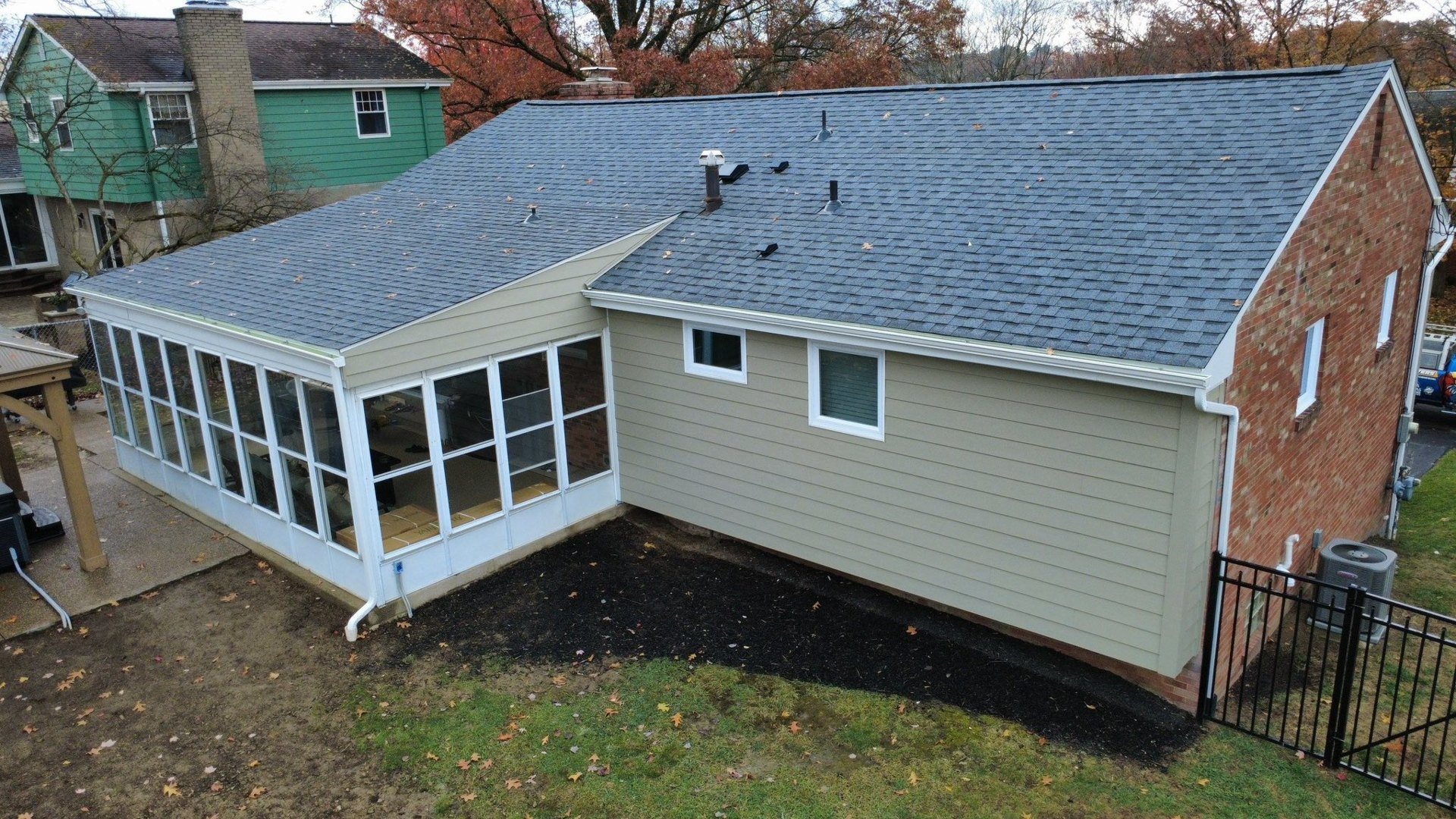
Material is only half the story. Even excellent siding fails when it is installed poorly. Flashing around windows and doors, house wrap, drainage, and correct fastening all decide how long a wall lasts. Hire a contractor with real experience in the product you choose.
Climate fit matters too. Here in Western Pennsylvania, siding has to handle repeated freeze and thaw cycles, wet springs, and humid summers, often on older homes with walls that are not perfectly straight. Ask any contractor how a product performs on Pittsburgh houses specifically, and ask to see local work.
Questions to Ask Before Choosing Siding
Ask about warranty terms, expected lifespan in our climate, maintenance needs, and recent local installs you can drive past. Confirm the contractor holds a Pennsylvania Home Improvement Contractor registration and carries insurance. Read reviews and ask neighbors about their experience with both the material and the installer.
Frequently Asked Questions
Is vinyl siding a bad choice in Pittsburgh?
No. Cheap, thin vinyl is the problem. A quality vinyl installed with proper expansion room is a durable, low maintenance choice for many Pittsburgh homes.
Should I replace aluminum siding?
Not automatically. If it is dented, chalky, or letting water in, replacement usually makes sense. If it is sound, cleaning or painting can buy time.
Which siding does Malick Brothers install?
We install James Hardie fiber cement and Mastic vinyl siding, along with matching soffit, fascia, and seamless gutters.
How do I know what my siding project will cost?
Cost depends on wall area, the material, how much old siding has to come off, sheathing repairs, and trim details. We give a free written estimate after looking at the house.
Making Smart Decisions About Your Home's Exterior
Avoiding problem siding takes research and realistic expectations about upkeep. The cheapest option up front rarely gives the best long term value, and weak materials often show their flaws only after a few Pittsburgh winters. Choose a quality product, have it installed by people who know the details, and your exterior will protect your home for decades.
Malick Brothers Exteriors is a family owned, BBB A+ accredited contractor based in West View. If you would like an honest opinion on your current siding or a free written estimate for new siding, contact us and we will set up a visit.