Commercial roofing industry trends get written up every year, usually by software companies or market research firms, and most of them read like they were written for roofing contractors instead of the people who actually own the buildings. This guide is for building owners, property managers and facility directors in Western Pennsylvania who need to plan a roof budget, choose a system, or decide whether an aging roof gets another coat or a full tear off. We install, restore and repair commercial roofing in Pittsburgh every month of the year, so what follows is a mix of what the national surveys say and what we see on roofs from Glenshaw to McKees Rocks.
Every number below comes from a named source. Where a trend is our own observation from the field, we say so.
Commercial Roofing Industry Trends at a Glance
The clearest national snapshot comes from the 2026 State of the Roofing Industry report published by Roofing Contractor magazine, which surveyed contractors in the fall of 2025. Four findings matter most to building owners:
- 78 percent of contractors expect sales to grow in 2026, and 89 percent expect growth over the next three years. Demand for roofing work is strong, which means good crews are booked.
- 55 percent of contractors report rising labor costs, with an average increase of 14 percent, and 36 percent name a lack of qualified workers as a major challenge.
- Economy and inflation were the top concern for 50 percent of commercial contractors, and material costs for 32 percent.
- 40 percent of contractors now use some form of artificial intelligence in their business, up from 29 percent the year before.
The same report found that only 22 percent of surveyed contractors focus on commercial work. That is worth remembering when you are collecting bids: a lot of roofing companies are residential shops that take on the occasional flat roof. Low slope work is a different trade with different materials, details and failure points.
Trend 1: Restoration Before Replacement
The biggest shift we see in how owners think about a roof is that replacement is no longer the default answer to an aging membrane. When a roof is structurally sound, the insulation is dry and the seams are intact, a fluid applied silicone coating can add years of service life without a tear off, without a dumpster and without shutting down the building.
This is why coating systems have moved from a niche product to a standard line item. We are MuleHide certified for silicone roof coatings, and we also use silicone to restore the built in box gutters that are common on older Pittsburgh commercial and mixed use buildings. The honest caveat: a coating only works over a roof that is dry. If a core sample or moisture scan shows wet insulation, the wet areas have to come out first, and sometimes the whole roof does. A good contractor tells you which case you are in before quoting.
Trend 2: Single Ply Membranes Dominate Low Slope Work
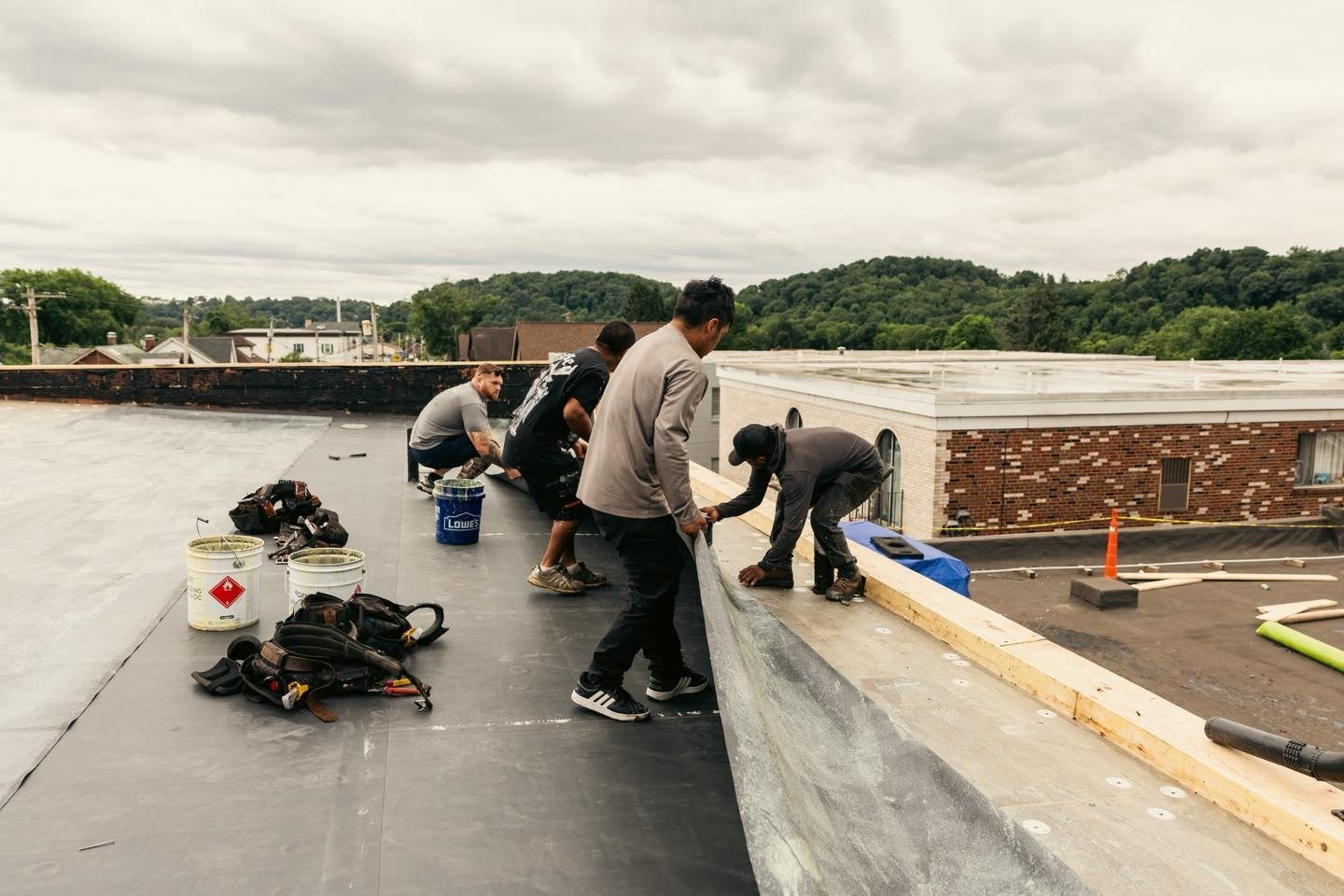
Single ply membranes, meaning EPDM rubber, TPO and PVC, continue to take share from older built up and gravel roofs on commercial buildings. They are lighter, faster to install and easier to detail around rooftop units. In the Roofing Contractor survey, single ply was one of the three largest product categories by revenue.
In Pittsburgh we install more EPDM than any other low slope membrane. The .060 inch MuleHide EPDM we use handles freeze and thaw cycles well, stays flexible in cold weather, and can be repaired decades later with compatible materials. For buildings with a lot of foot traffic or grease exhaust we talk through the alternatives, which we cover in detail on our roof materials page. Recent EPDM jobs include a commercial building in Glenshaw, Pittsburgh Mirror and Glass, and an apartment building in McKees Rocks.
Trend 3: Standing Seam Metal on Commercial Buildings
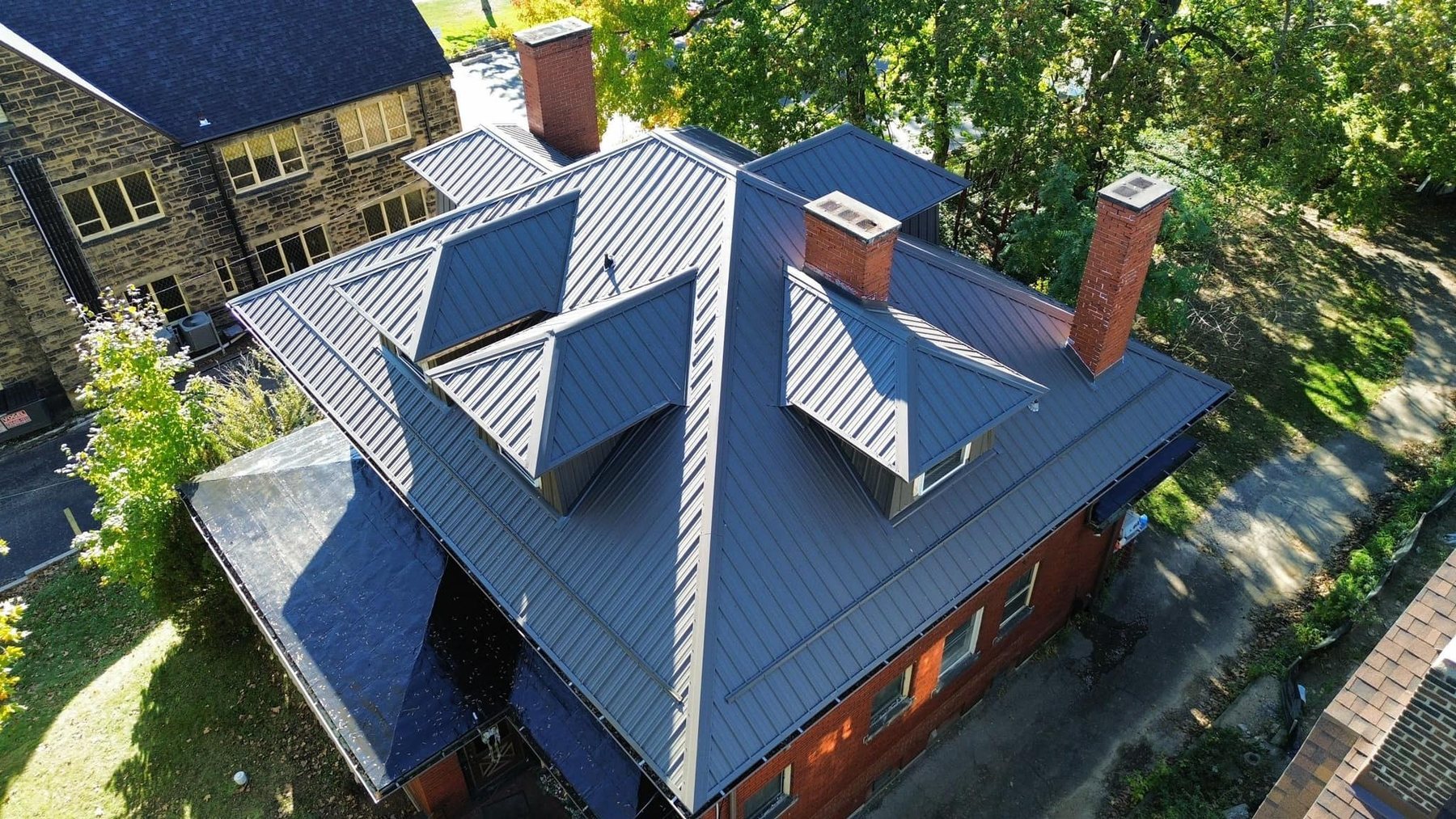
Metal roofing keeps growing on commercial and institutional buildings that have a visible pitched roof: churches, schools, retail strips, office buildings with mansards and warehouses with steep gable ends. Standing seam panels with concealed fasteners have no exposed screws to back out or leak, they shed snow, and they carry long finish warranties from the panel manufacturers.
We have installed standing seam metal roofs across the North Hills since 2023, and the questions commercial owners ask are the same ones homeowners ask: how loud is it in rain (not loud over a solid deck with underlayment), will it rust (not with a Kynar type finish on Galvalume or aluminum), and can it go over the existing roof (sometimes, subject to code and deck condition). A full tear off and inspection of the deck is the safer path on most older buildings.
Trend 4: Cool Roofs and Energy Codes
Reflective roofing is now a code conversation as much as an energy conversation. The U.S. Department of Energy explains that a cool roof reflects more sunlight and absorbs less heat than a standard dark roof, which lowers rooftop temperatures and reduces air conditioning load in summer. White TPO and PVC membranes and white silicone coatings all qualify as cool roof surfaces.
Pittsburgh is a heating dominated climate, so the summer cooling savings are smaller here than in the Sun Belt and the winter heat loss through the roof matters more. The practical takeaway for local owners is that insulation thickness usually has a bigger effect on the energy bill than membrane color. When we replace a commercial roof we check the current insulation requirements under the Pennsylvania Uniform Construction Code before quoting, because adding polyiso insulation during a replacement is far cheaper than adding it later.
Trend 5: Drones, Photo Documentation and Real Time Updates
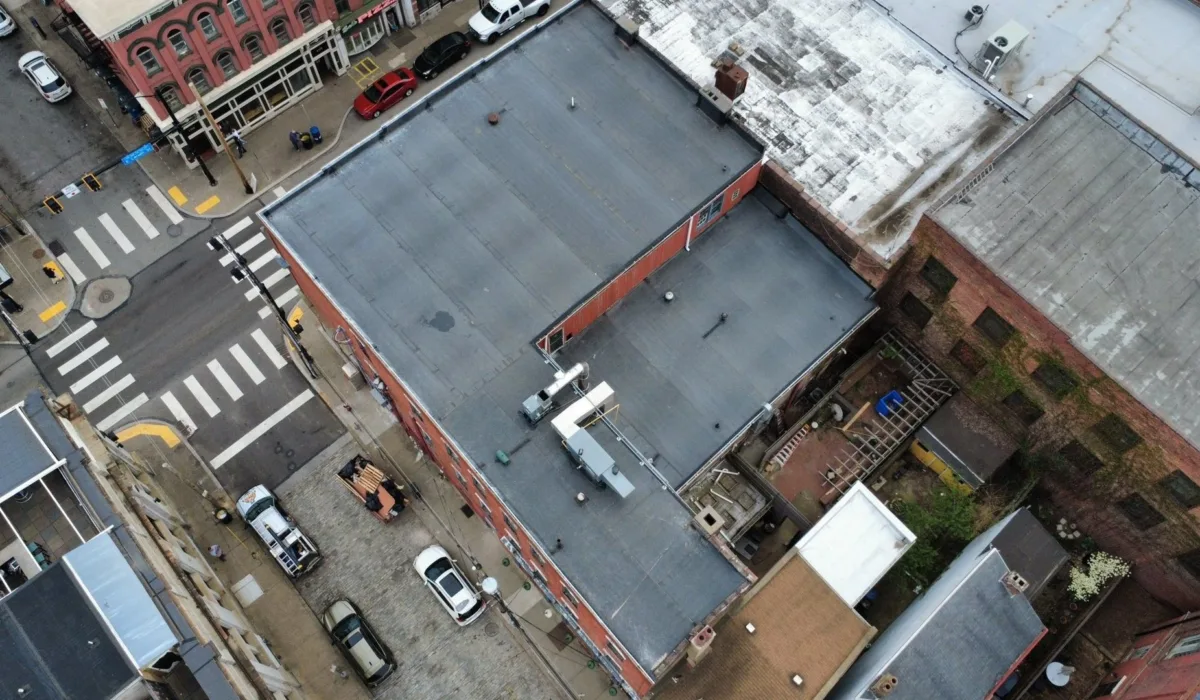
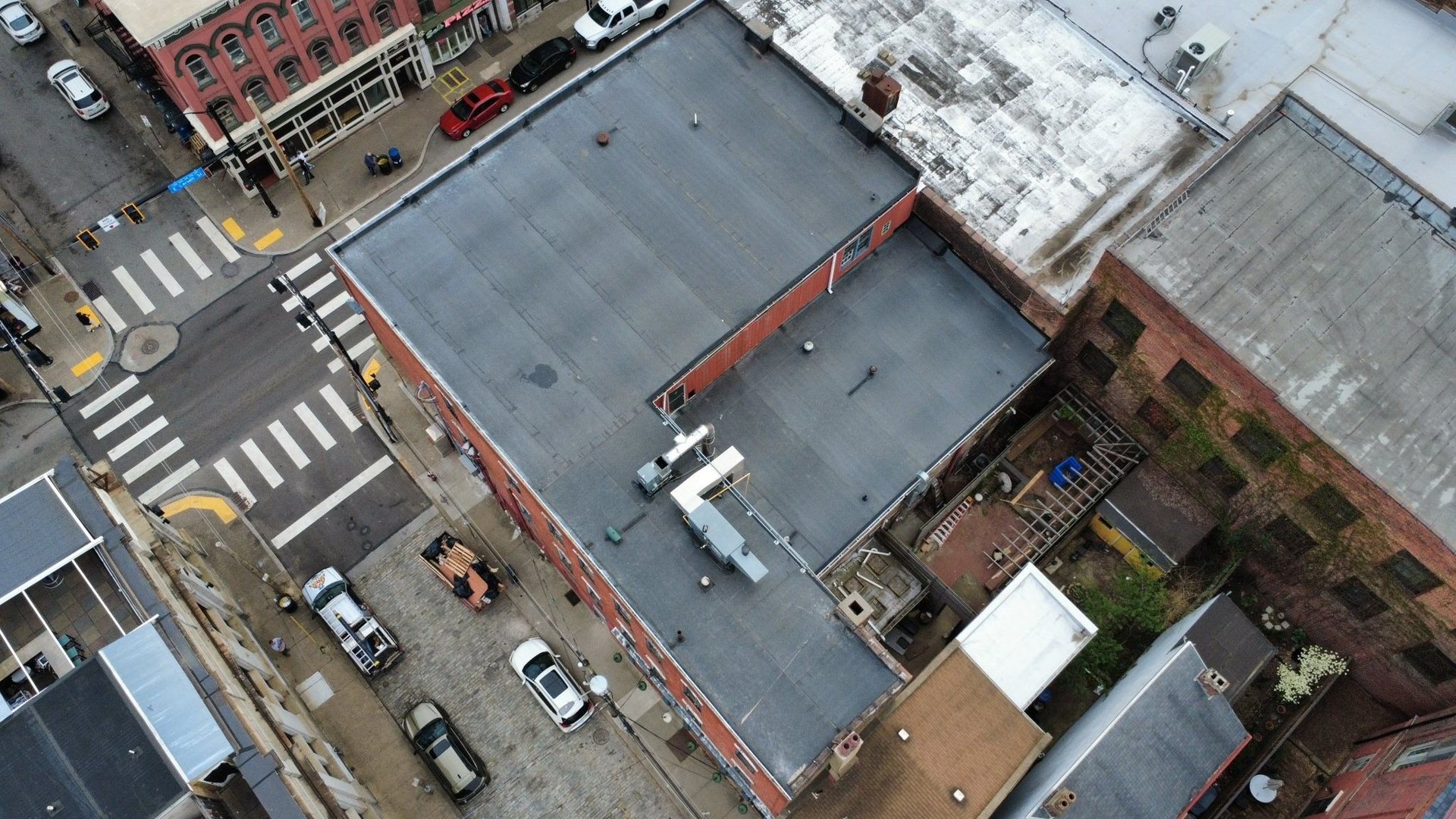
The technology trend that has changed day to day life for building owners is not artificial intelligence, it is documentation. Drone photos, thermal imaging and job site photo apps let an owner see the roof before, during and after the work without climbing a ladder. On our commercial projects the project manager sends drone photos and progress updates while the crew is on the roof, and the owner gets a full photo record at the end for insurance and maintenance files.
Estimating software and aerial measurement tools have also made bids more consistent. If two bids for the same roof show very different square footage, ask each contractor how they measured. A difference of a few hundred square feet on a large flat roof is a real amount of material.
Trend 6: Labor, Lead Times and Scheduling
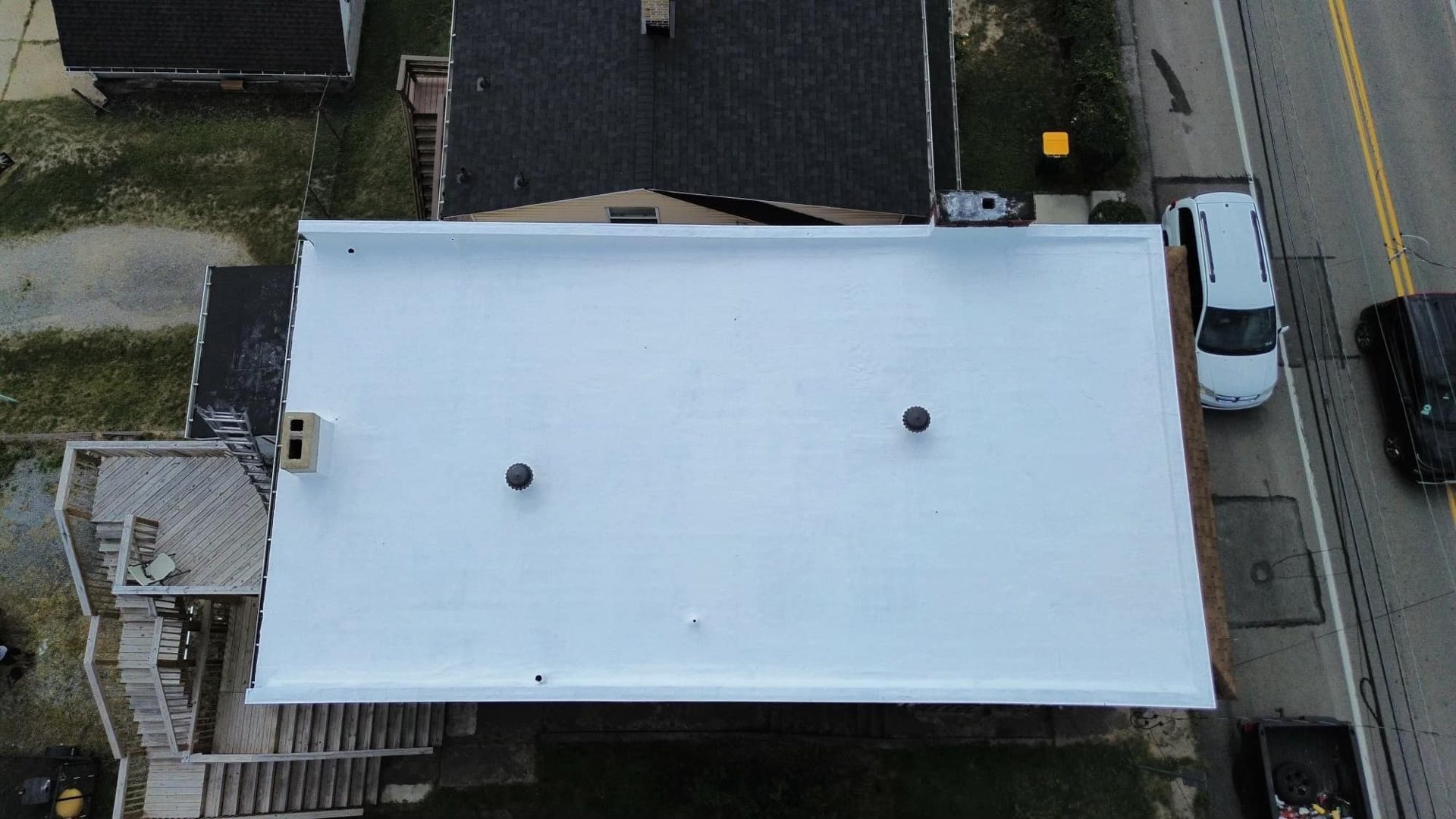
The labor shortage figures above translate into one piece of advice: plan commercial roof work months ahead, not weeks. The best crews are scheduled well into the season, and manufacturers can run short of specific products like tapered insulation or custom metal colors during the busy spring and summer months.
Winter is not off limits in Pittsburgh. EPDM can be installed in cold weather with the right adhesives, metal can be installed year round, and we work all winter. What cold weather does rule out is most coatings, which need temperatures above the manufacturer's minimum to cure. If your roof needs a coating, fall is the last comfortable window before spring.
Trend 7: Maintenance Agreements and Roof Asset Management
Owners of more than one building are moving away from calling a roofer only when water shows up on a ceiling tile. A scheduled inspection program, usually twice a year plus after major storms, catches clogged drains, open seams, loose flashings and punctures from HVAC technicians while they are still small repairs. Manufacturer warranties on commercial systems often require documented maintenance to stay in force, which is a second reason to keep records.
A simple roof asset file for each building should include the installation date, the membrane type and thickness, the insulation type and thickness, the warranty documents, every repair with photos, and the date of the last inspection. That file is what makes the restoration versus replacement decision easy when the time comes.
What These Trends Mean for a Pittsburgh Building Owner
| Trend | Why it matters locally | Owner action |
|---|---|---|
| Restoration over replacement | Many older flat roofs are sound but weathered | Get a moisture scan before deciding |
| Single ply membranes | EPDM handles freeze and thaw well | Specify membrane thickness in the bid |
| Standing seam metal | Sheds snow, long service life on pitched roofs | Ask about panel gauge and finish warranty |
| Cool roofs and energy codes | Insulation matters more than color here | Confirm code required insulation at replacement |
| Drones and documentation | Verifies the work without a ladder | Require a photo record in the contract |
| Labor and lead times | Good crews book months out | Plan budgets a season ahead |
| Maintenance agreements | Protects warranties, catches small leaks | Inspect twice a year and after storms |
How to Vet a Commercial Roofing Contractor in 2026
Because most roofing companies are residential first, the vetting questions for commercial work are specific. Ask for the contractor's Pennsylvania Home Improvement Contractor registration number and check it on the Pennsylvania Attorney General HIC search (ours is PA174918). Ask which low slope manufacturer has certified them and what warranty that certification lets them offer; we are MuleHide certified for EPDM, two ply low slope systems and silicone coatings. Ask for addresses of commercial roofs they installed at least five years ago, and ask who will be on site each day. A written estimate that names the membrane, thickness, insulation, flashing details and warranty term is the minimum. Our estimates are free and in writing, and the factors that drive the number are roof size, the number of layers to remove, insulation thickness, the number of penetrations and curbs, and access for equipment.
Frequently Asked Questions
What are the current trends in the commercial roofing industry?
The trends with the most effect on owners are restoration with silicone coatings instead of full replacement, continued growth of single ply membranes like EPDM and TPO, standing seam metal on pitched commercial roofs, cool roof and insulation requirements in energy codes, drone and photo documentation of the work, and scheduled maintenance programs that protect manufacturer warranties.
What is the 25 percent rule in roofing?
The 25 percent rule comes from the Florida Building Code, which historically required a full roof replacement to current code when more than 25 percent of a roof was repaired or replaced within a year. It is a Florida rule, not a Pennsylvania one. In Pennsylvania the Uniform Construction Code governs roof recover and replacement, and a local roofer or the municipal code office can confirm what applies to your building.
Is the roofing industry slowing down in 2026?
Not according to the contractors themselves. In the Roofing Contractor 2026 State of the Industry survey, 78 percent of contractors expected sales to grow in 2026 and 89 percent expected growth over three years. Inflation, material costs and a shortage of qualified workers were the main concerns, which is why good commercial crews stay booked and lead times stay long.
Should I restore or replace my commercial roof?
Restore when the deck is sound, the insulation is dry and the membrane is weathered but intact. Replace when a moisture scan shows widespread wet insulation, when there are already two roof layers, or when seams and flashings are failing in many places. The deciding factor is moisture, not age, so start with an inspection rather than an assumption.
What is the longest lasting commercial roofing material?
On pitched commercial roofs, standing seam metal and slate have the longest service lives. On low slope roofs, a properly installed and maintained .060 EPDM or a two ply modified bitumen system lasts for decades, and a silicone coating applied before the membrane fails can extend that further. Installation quality and maintenance matter more than the brochure number.
Can a commercial roof be replaced in winter in Pittsburgh?
Yes for most membrane and metal systems. EPDM can be installed in cold weather with low temperature adhesives, and standing seam metal goes on year round. Silicone and other coatings need warmer temperatures to cure, so coating projects are a spring through fall job. We work all winter, and winter scheduling is often easier to get.
Talk to a Pittsburgh Commercial Roofer
If you own or manage a building in Pittsburgh or the North Hills and want to know where your roof stands against these trends, we will inspect it, document it with photos, and give you a free written estimate for repair, restoration or replacement. Malick Brothers Exteriors is family owned, BBB A+ accredited, based at 500 Perry Highway in West View, and registered as PA HIC PA174918. Contact us or call (412) 616-0191 to schedule a commercial roof inspection.