If a roofer has ever mentioned "Grace" during an estimate, they were not talking about a person. They were referring to one of the best known names in roof leak protection. Grace Ice & Water Shield is a self adhered rubberized asphalt membrane that goes directly on the roof deck before shingles or any other covering. Think of it as the last line of defense when everything above it is pushed past its limits. When wind driven rain gets under shingles or ice backs water up the slope, this layer is what stands between the deck and your ceilings. On every roof replacement in Pittsburgh, the ice and water membrane is one of the details we pay the most attention to, because it is the part you never see once the job is done.
What Is Grace for Roofing?
Grace is a premium underlayment brand that bonds directly to a wood roof deck without mechanical fasteners. It combines two waterproofing materials: a rubberized asphalt adhesive and a slip resistant polyethylene film. What makes it different from standard felt paper is the way it seals. When a roofing nail or screw goes through the membrane, the rubberized asphalt wraps around the fastener and creates a watertight seal.
That self sealing property is what sets it apart from traditional underlayments. Felt paper can tear, break down in sunlight, and lose its protective qualities in as little as 10 to 15 years. Rubberized membranes like Grace are engineered to resist cracking, drying out, and rot, and they are designed to last as long as the roof covering above them.
Where Is Grace Ice & Water Shield Installed?
On most pitched roofs, the membrane does not cover every square inch. It is placed in the areas most vulnerable to water getting in: eaves, valleys, around chimneys, near skylights, and at any penetration where flashing meets the deck.
In cold climates like ours, building codes commonly require ice barrier protection along the eaves. Ice dams form when attic heat melts snow on the upper roof. That water runs down and refreezes at the colder eave, building a ridge of ice that traps water under the shingles. Without a proper membrane in place, that water soaks into the deck and eventually shows up in ceilings and walls.
On low slope roofs, contractors often apply a rubberized membrane over the full deck because water moves slowly and has more chances to find a seam. It is compatible with asphalt shingles, slate, tile, cedar shakes, and standing seam metal systems.
Which Type of Roof Underlayment Is Best?
Not all underlayments are equal, and the best choice depends on the roof type, the pitch, and the exposure. There are three main categories: felt, synthetic, and rubberized asphalt, which includes the Grace products.
| Underlayment Type | Material | Typical Lifespan | Water Resistance | Best For |
|---|---|---|---|---|
| Felt (15 or 30 lb) | Asphalt saturated paper | 10 to 15 years | Moderate | Older style installs, temporary dry in |
| Synthetic | Woven polyethylene or polypropylene | 25 to 30 years | High | The main field of most shingle roofs |
| Rubberized asphalt (Grace) | Rubberized asphalt with poly film | Life of the roof covering | Highest | Eaves, valleys, penetrations, low slope areas |
Felt is the oldest option, but it degrades faster and tears more easily during installation. Synthetic underlayment is lighter, stronger, and handles sun exposure better. Rubberized asphalt membranes deliver the highest level of waterproofing, which is why they belong in the spots where water collects or moves sideways.
Our standard approach is a rubberized ice and water membrane at the eaves and in every valley, with synthetic underlayment over the rest of the deck. That combination puts the strongest protection exactly where Pittsburgh roofs fail first.
The Different Grace Product Lines
Grace is not just one product. The line includes several versions built for different conditions.
Grace Ice & Water Shield is the original and most widely used version. It has been on the market for decades and is still a common reference point for ice dam and wind driven rain protection. A split release liner makes it easier to install around detail areas like dormers and valleys.
Grace Select is a thinner, lighter version that still seals around fasteners and is easier to handle on the job. It fits standard residential work where extreme conditions are not the main concern.
Grace Ultra uses a butyl based adhesive and offers the highest heat resistance in the line, which makes it suited for metal, copper, and zinc roofs that run hot in summer. Grace Ice & Water Shield HT is another high temperature option designed for metal roof assemblies. Exact temperature ratings vary by product, so we always check the current manufacturer data sheet for the system we are installing.
What Damages the Roof the Most?
Understanding what threatens a roof explains why products like Grace exist in the first place. The biggest enemies are wind, water, ice, and sun. Wind lifts shingles and exposes the layers beneath. Rain exploits every gap, crack, and exposed nail head. Ice dams trap water in places it was never meant to sit.
Hail is another culprit. It knocks the protective granules off asphalt shingles, which speeds up aging and leaves the mat exposed to moisture. Even small hail can cause real damage when it comes in with strong wind.
Sun damage is often overlooked. Years of UV exposure make roofing materials brittle. Shingles curl, crack, and stop shedding water the way they should. Once the outer layer is compromised, the quality of the underlayment becomes everything. A good membrane can be the difference between a small repair and a ceiling, insulation, and drywall job.
Why Pittsburgh Roofs Need It
Western Pennsylvania winters are hard on roofs in a specific way. We do not just get snow; we get repeated freeze and thaw cycles, sometimes several in one week. Snow melts on a sunny afternoon, refreezes at the gutter line overnight, and the cycle repeats. That is the exact pattern that builds ice dams.
Our housing stock adds to the problem. Many homes in the North Hills, the South Hills, and the city neighborhoods were built decades ago with steep main roofs, dormers, and short valleys that funnel water. Older attics often have limited insulation and ventilation, which means more heat escaping into the roof deck and more melting at the top of the roof. On homes like these, the membrane at the eaves and valleys is not optional.
What Are Signs I Need Underlayment?
Most homeowners do not think about underlayment until a problem shows up inside the house. By then, the damage is usually more extensive than it looks. Here are the warning signs.
- Water stains on ceilings or walls, bubbling paint, or damp patches, especially along exterior walls under the eaves.
- Musty odors in the attic after rain or a thaw.
- Dark stains on the underside of the roof deck, visible mold, or wet insulation when you look with a flashlight.
- Cracked, curled, or missing shingles on the outside.
- Granules piling up in the gutters or at the bottom of downspouts.
If your roof is 15 to 20 years old or more, the original felt underlayment has likely broken down. A professional inspection can confirm whether a targeted repair or a full replacement makes more sense.
How We Install Ice and Water Membrane
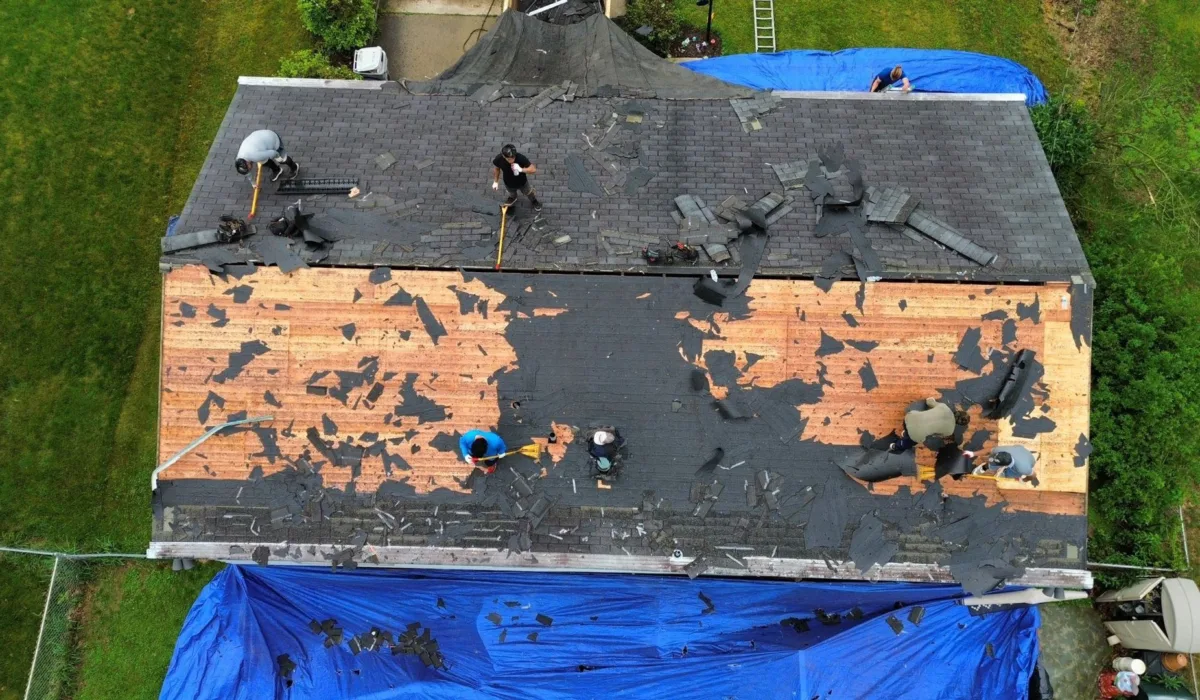
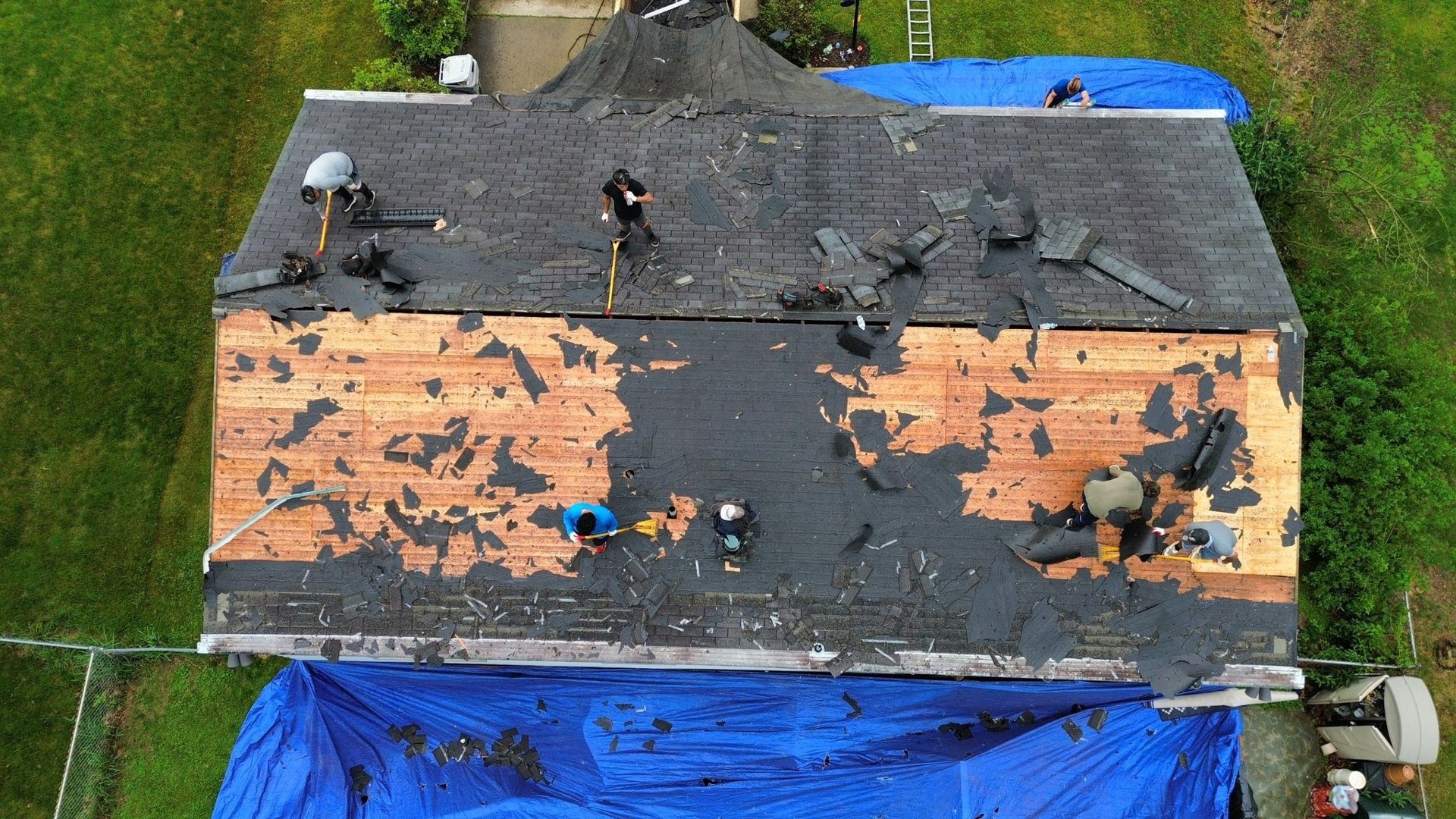
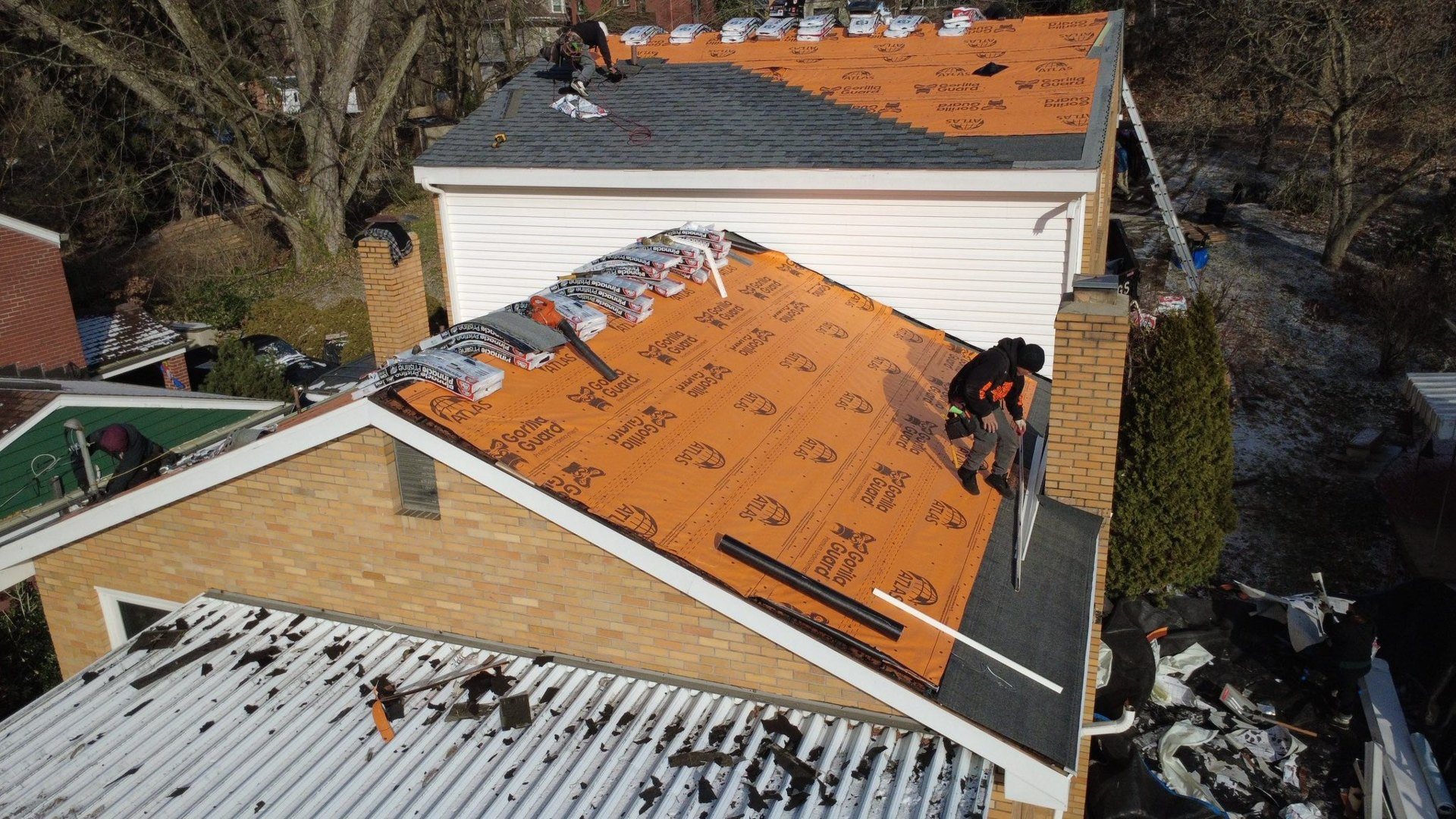
A membrane only works if it goes down correctly. On a replacement, we tear off to the deck, replace any soft or rotted boards, and make sure the surface is clean and dry before anything sticks to it. The membrane runs along the eaves and up the slope past the inside line of the exterior wall, it lines every valley, and it wraps around chimneys, skylights, and other penetrations before the flashing goes on. Laps are overlapped the way the manufacturer specifies so water always runs over a seam, never into it.
Temperature matters too. Self adhered membranes bond best in moderate weather, so on cold days we take extra care to make sure the adhesive is actually gripping the deck. Then synthetic underlayment covers the rest of the roof, followed by the drip edge, flashing, and shingles. As an AtlasPro+ Platinum Select contractor, we install complete Atlas systems that qualify for the Atlas 50 year warranty, and the underlayment layer is part of what makes that system complete.
How to Choose the Right Grace Product for Your Roof
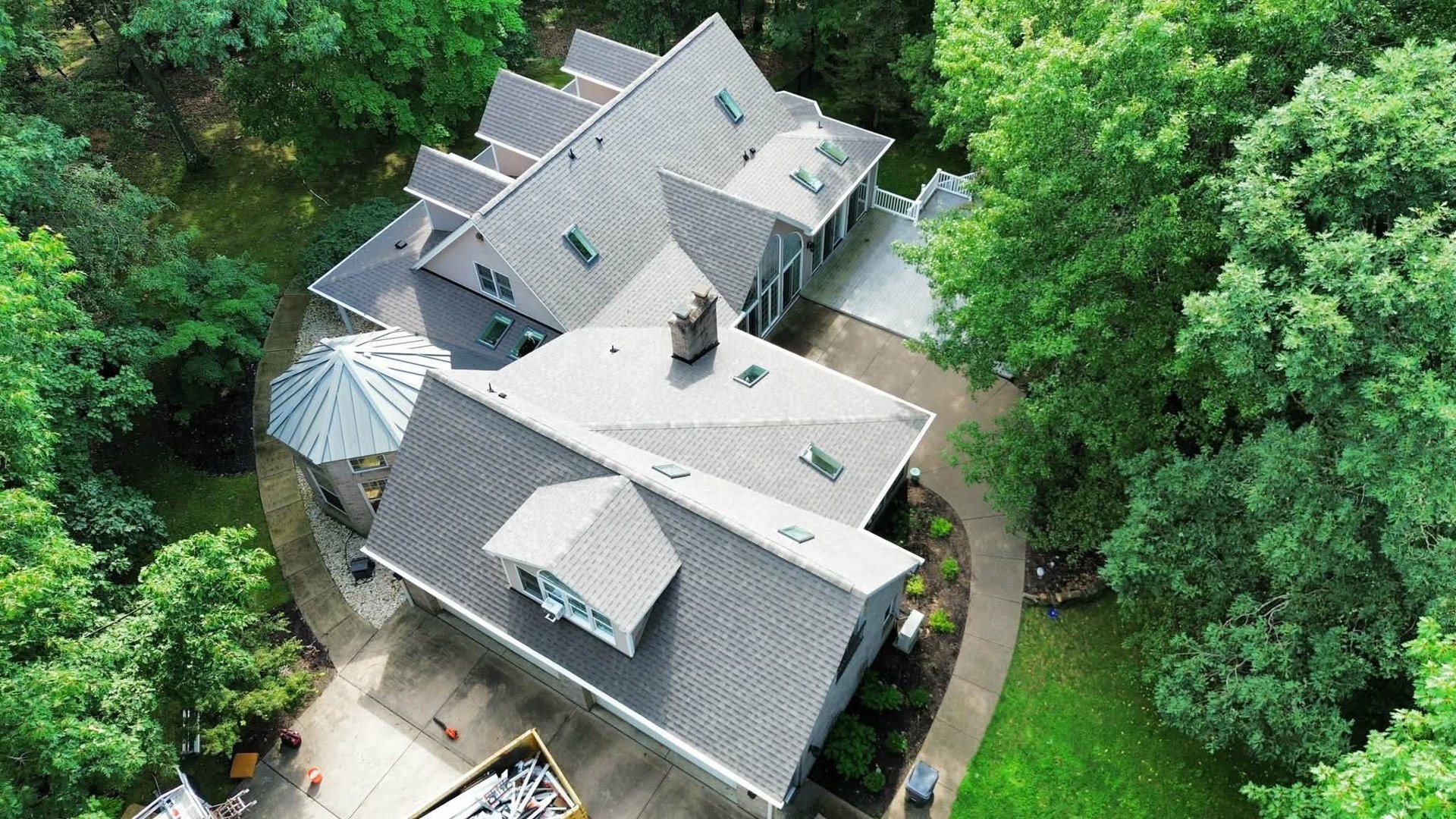
Choosing the right product comes down to three things: climate, roof covering, and pitch. In a freeze and thaw climate like Pittsburgh, a standard ice and water membrane along eaves and valleys is the baseline. For metal or copper roofing, a high temperature version is the better choice because those materials get much hotter in summer sun.
Low slope sections benefit from full coverage. Steep slope roofs usually need the membrane only in the targeted high risk zones. Either way, the product is only as good as the install, so proper overlap, a clean deck, and the right conditions all affect how long it performs.
Frequently Asked Questions
Is Grace the same thing as ice and water shield?
Grace Ice & Water Shield is one brand of ice and water membrane. People often use the name for the whole product category, the way some people call any tissue a Kleenex. Other manufacturers make similar self adhered membranes.
Does ice and water shield stop ice dams from forming?
No. It does not prevent ice dams; it keeps the water they trap from getting into the house. Preventing ice dams is about attic insulation and ventilation, which we look at during an inspection.
Can ice and water membrane be added without replacing the roof?
Not really. It bonds to the deck under the shingles, so it goes in when the roof is torn off. In some cases a section such as a leaking valley can be opened up and rebuilt with new membrane as part of a repair.
Should the whole roof be covered in it?
On most steep slope roofs, no. Full coverage can trap moisture in some assemblies. It belongs in the high risk zones on steep roofs and over the full deck on low slope sections.
Final Thoughts on Grace in Roofing
Grace Ice & Water Shield is not just another roofing accessory. It is a critical part of a well built roof system. Whether you are dealing with ice dams, wind driven rain, or you simply want the best protection under your shingles, a properly installed membrane at the eaves and valleys protects your home in ways cheaper shortcuts cannot.
If you are planning a new roof or seeing stains after the last thaw, contact Malick Brothers Exteriors for a free written estimate. We are a family owned roofing company based at 500 Perry Highway in West View, and we will show you exactly where the membrane goes on your roof and why.