
Table of Contents
Gutters rarely get the attention they deserve until something goes wrong. A heavy rainstorm rolls through, water pools near your foundation, and suddenly you realize those old troughs along your roofline are failing. I have seen this happen to homeowners more times than I can count. The good news is that a little knowledge upfront saves you from expensive headaches later. This gutter buying guide walks you through everything you need to consider before making a purchase.
Why Your Gutters Matter More Than You Think
Gutters do one critical thing: they move rainwater away from your home. Without a functioning system, water can erode soil around your foundation, seep into basements, and cause mold growth behind your siding. Over time, even a small drainage problem becomes a big structural one. That is why choosing gutters for home protection should be treated as a long-term investment, not a last-minute afterthought.
What to Look for When Buying Gutters
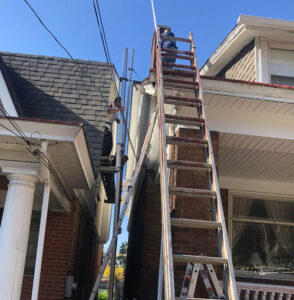
The first thing most people fixate on is price. But cost alone does not tell you much. You need to weigh the material, style, size, and whether you want seamless or sectional construction. Each factor affects how long your gutters last and how well they perform during heavy rain. Take the time to evaluate all of them before you commit.
Climate matters too. If you live in a region with heavy snowfall or frequent ice storms, you need a material that handles the extra weight without sagging or cracking. Homes in milder climates have more flexibility. Check your local building codes as well, since some municipalities have specific requirements for gutter sizing.
Gutter Materials: Comparing Your Options
Material selection is arguably the most important decision in this process. Your choice determines durability, maintenance needs, appearance, and total cost over the life of the system. Here is a quick breakdown of the most popular options for a solid gutter materials comparison.
| Material | Lifespan | Best For |
|---|---|---|
| Aluminum | 20 to 30 years | Most homes; lightweight, rust-proof |
| Copper | 50 to 100 years | Historic or luxury homes |
| Steel | 20 to 30 years | Storm-prone areas; high strength |
| Vinyl | 10 to 20 years | Budget-friendly; mild climates only |
| Zinc | 50+ years | Modern builds; low maintenance |
Aluminum remains the most popular choice for residential homes, and it is hard to argue with the value. It resists rust, comes in a wide range of colors, and works well in seamless configurations. Copper is stunning and nearly indestructible, but the price tag reflects that. Steel handles extreme weather well, though it requires upkeep to prevent rust. Vinyl is cheapest upfront but tends to become brittle in cold climates and warp in heat.
What Is the Rule of Thumb for Gutters?
There are a few general rules worth memorizing. First, gutters should slope roughly a half inch for every ten feet of run. This slight angle ensures water flows toward the downspouts without pooling. Second, most residential homes do well with five-inch or six-inch gutters. If your roof has a steep pitch or a large surface area, go with the six-inch option to handle higher water volume.
Downspouts matter just as much as the gutters themselves. A good rule is one downspout for every 20 to 30 feet of gutter. Position them so water discharges well away from your foundation. These small details make a significant difference in how well your system performs.
Seamless vs. Sectional Gutters
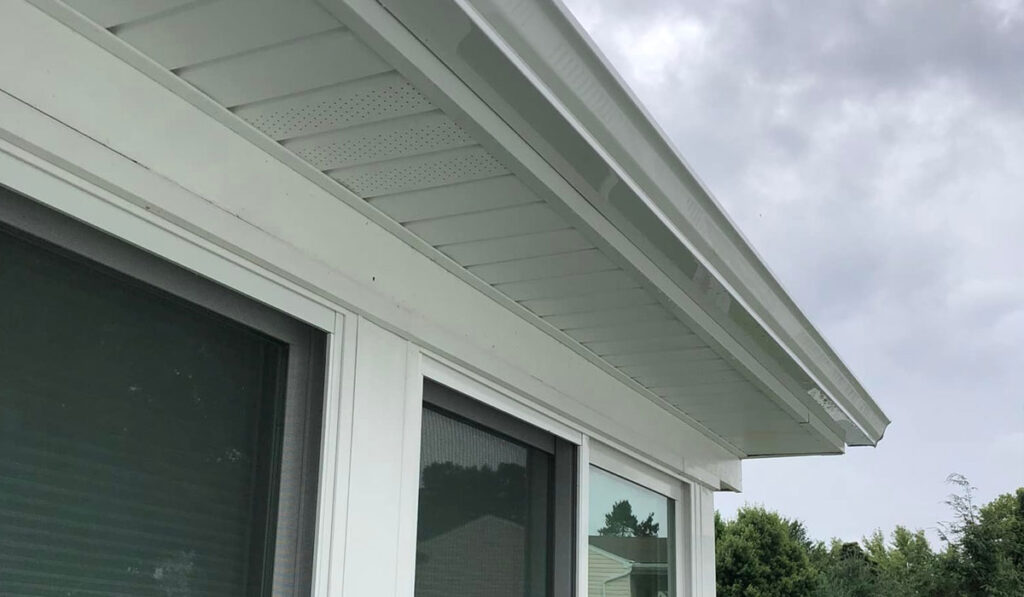
If you are working through a gutter buying guide, you will eventually need to decide between seamless and sectional systems. Sectional gutters come in pre-cut pieces that snap or screw together. They are more accessible for DIY installation. But the joints between sections create weak points where leaks tend to develop over time.
Seamless gutters are custom-fabricated on-site to fit the exact dimensions of your roofline. They have far fewer joints, which means far fewer opportunities for leaks. Most professionals recommend seamless systems for long-term performance. The upfront cost is higher, but reduced maintenance and extended lifespan usually justify the investment.
K-Style vs. Half-Round: Which Style Fits Your Home?
The two most common gutter profiles are K-style and half-round. K-style gutters have a flat back and a decorative front that mimics crown molding. They hold more water than half-round gutters of the same width and are the standard for most modern homes. Their shape also makes them easier to mount flush against the fascia board.
Half-round gutters look like a tube cut in half. They are a better match for older, historic, or cottage-style homes. While they carry less water per inch and tend to cost more, they are easier to clean because debris does not get trapped in corners. When choosing gutters for home aesthetics, style should complement your architecture.
What Is the Most Common Problem with Gutters?
Clogging. Without question, it is the number one issue homeowners face. Leaves, twigs, dirt, and even small animal nests can accumulate inside your gutters and block the flow of water. When that happens, water backs up, overflows, and starts causing damage to your roof, fascia, siding, and foundation. In cold climates, standing water in clogged gutters can freeze and create ice dams.
The simplest way to prevent clogs is regular cleaning, ideally twice a year in spring and fall. Gutter guards can also help reduce debris buildup significantly. For more detailed guidance on keeping your system clean, check out How to Clean Your Gutters: A Guide for Pittsburgh Homeowners.
Should You Invest in Gutter Guards?
Gutter guards are screens, meshes, or covers that sit on top of your gutters to block debris. They do not eliminate cleaning entirely, but they reduce it dramatically. For homeowners with lots of surrounding trees, guards can pay for themselves within a few years by cutting down on cleaning costs and preventing water damage.
Micro-mesh guards tend to offer the best filtration for small debris like pine needles and shingle grit. Screen guards are more budget-friendly and work well for larger leaves. Whichever type you choose, make sure it is compatible with your gutter profile and installed correctly. A poorly installed guard can trap moisture and create new problems.
Professional Installation vs. DIY
If you are handy and working with a single-story home, sectional vinyl or aluminum gutters can be a manageable weekend project. But for anything more complex, I would strongly recommend hiring a professional. Seamless gutters require specialized equipment that only contractors carry. Getting the slope wrong or leaving gaps can lead to water damage that costs far more than the installation.
Professional installation typically runs between $6 and $16 or more per linear foot depending on material and complexity. According to This Old House, hiring a pro is especially important for multi-story homes and non-aluminum materials. A qualified installer will also ensure your system meets local code requirements and includes a workmanship warranty.
Final Thoughts on Your Gutter Purchase
Buying gutters is not glamorous, but it is one of the most practical investments you can make for your home. The right system protects your foundation, your landscaping, and your peace of mind during every rainstorm. A thorough gutter materials comparison will help you narrow down the best fit for your budget, climate, and home style.
Do not rush the decision. Talk to local contractors, get multiple quotes, and ask about warranties. The gutters you install today will work for you for decades if you choose wisely.