Table of Contents
If you own or manage a commercial building in Pittsburgh, you already know the weather does not go easy on your roof. Between heavy spring rains, summer storms, and relentless freeze-thaw cycles, water management is not something you can afford to ignore. I have seen firsthand how neglected drainage leads to costly interior damage, weakened membranes, and structural problems that no business owner wants to deal with.
That is exactly why understanding commercial roof drainage Pittsburgh systems matters. These systems move water off low-slope and flat roofs quickly and efficiently. Get them right, and you rarely think about them. Get them wrong, and the consequences show up fast.
Why Pittsburgh’s Climate Demands Reliable Commercial Roof Drainage
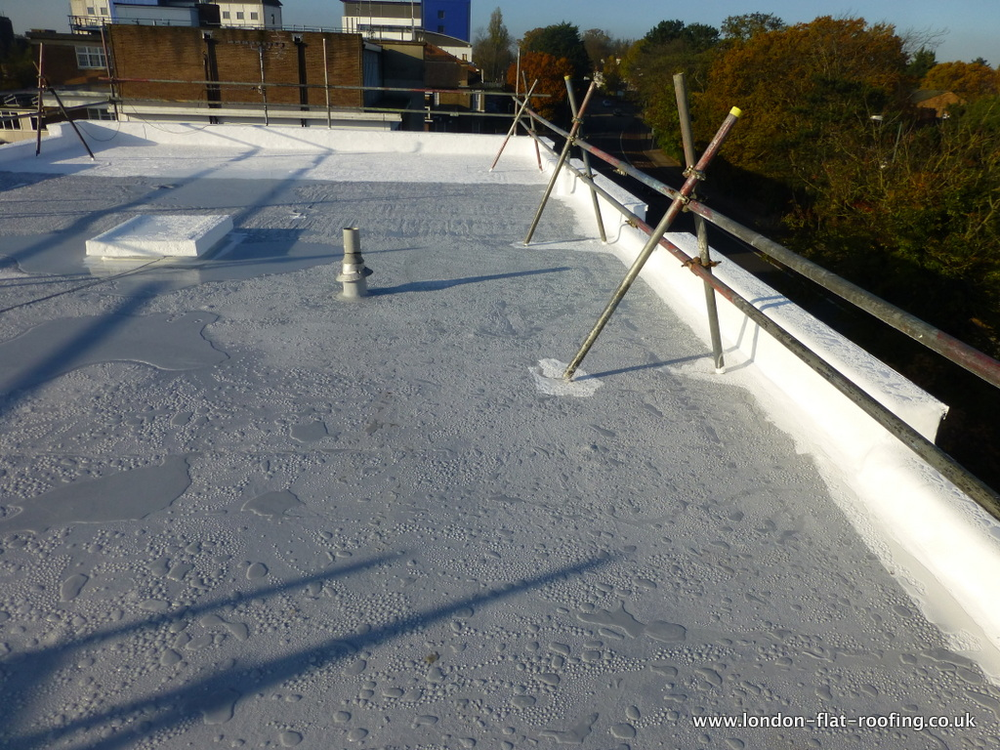
Pittsburgh averages around 38 inches of rainfall annually, and that does not even account for snowmelt. Our climate creates a unique challenge because water on a flat roof has nowhere to go unless the drainage system directs it. Unlike pitched residential roofs where gravity does most of the heavy lifting, flat roof drainage systems rely on engineered slopes and strategically placed components to keep things moving.
The freeze-thaw cycle adds another layer of complexity. Water that sits on a roof can freeze overnight, expand, and crack membranes or block drainage pathways. When it thaws the next afternoon, you have got water seeping into places it should never reach. This cycle repeats dozens of times each winter.
What Are Commercial Roof Drains Called?
You will hear several terms in the industry. Internal drains, scuppers, gutters, downspouts, and siphonic drains all serve the same basic purpose: collecting and redirecting water away from your roof. Internal drains sit at low points on the roof surface and funnel water through pipes inside the building. Scuppers are openings cut into parapet walls that allow water to flow outward.
Each type has its strengths, and the right choice depends on your building’s size, roof design, and local conditions. In Pittsburgh, internal drains tend to be popular on larger commercial buildings because the piping runs inside, protected from freezing temperatures. Scuppers work well as backup systems or as primary drainage on smaller structures.
What Are the Four Types of Drainage Systems?
There are four primary drainage systems used on commercial flat roofs. Understanding their differences helps you make smarter decisions about maintenance and upgrades.
| Drainage Type | How It Works | Best For |
|---|---|---|
| Internal Drains | Positioned at roof low points; water flows through interior pipes | Large buildings, cold climates like Pittsburgh |
| Scuppers | Openings in parapet walls that release water to exterior downspouts | Small to mid-sized buildings, backup drainage |
| Gutters & Downspouts | Channels along roof edges collect water and direct it to the ground | Buildings with accessible roof edges |
| Siphonic Systems | Use pressure differentials to rapidly pull water through drains | Large-scale facilities like warehouses and malls |
Most Pittsburgh commercial buildings use a combination of these. I have worked with properties that pair internal drains with scuppers as an overflow failsafe. That redundancy is critical when a Nor’easter drops three inches of rain in a few hours.
How Tapered Insulation and Crickets Guide Water Flow in Pittsburgh Buildings
A flat roof is never truly flat. Or at least, it should not be. Roofers create subtle slopes using tapered insulation panels, typically angled between 1/8 inch and 1/2 inch per foot. These panels direct water toward drain locations so it never just sits there. Without this slope, water pools in low spots, a condition called ponding that accelerates membrane breakdown.
Crickets are another key player. These are small, triangular insulation structures placed behind obstructions like HVAC units, chimneys, or skylights. They act like tiny dams in reverse, pushing water away from obstacles and toward the nearest drain. In a city like Pittsburgh where rooftop mechanical equipment is common on commercial buildings, crickets are absolutely essential for proper commercial roof water drainage.
The Role of Overflow Systems in How Commercial Roof Drainage Systems Work in Pittsburgh Buildings
Every drainage system has a capacity limit. When a severe storm exceeds that capacity, overflow systems prevent disaster. These are secondary drainage points, often scuppers or additional drain heads, positioned slightly higher than the primary drains. They only activate when water levels rise beyond normal.
Think of them as a safety valve. Without overflow systems, water accumulates weight on the roof structure. One inch of standing water across a large commercial roof can add thousands of pounds of load. That stress leads to sagging, structural fatigue, and in extreme cases, collapse. Overflow protection is not optional for Pittsburgh buildings.
What Is the 25% Rule in Roofing?
The 25% rule is a building code provision that originated in Florida but has influenced roofing standards nationwide. In its simplest form, it states that if more than 25% of a roof area needs repair or replacement within a 12-month period, the entire roof section must be brought up to current code standards. This rule has been revised and debated extensively, particularly around what counts as “related work” versus actual damage.
For Pittsburgh building owners, the takeaway is practical. Staying on top of drainage maintenance and addressing small issues early keeps you from hitting that threshold. A few clogged drains left unchecked can snowball into widespread membrane damage that triggers a full replacement requirement. Proactive care with your commercial roof drainage Pittsburgh system is always cheaper than reactive repair.
What Color Roof Increases Home Value?
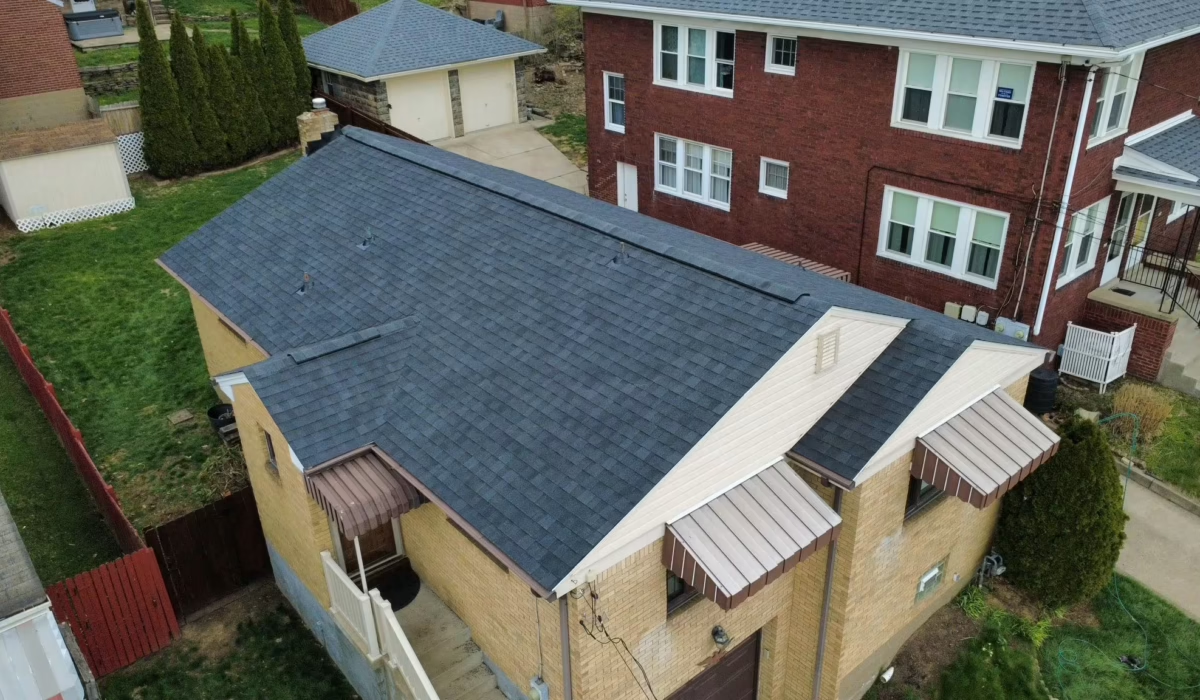
This question comes up often, even in commercial contexts where curb appeal still matters. Classic neutral colors like charcoal gray, dark brown, and black consistently perform best for resale value. Studies show that over 90% of real estate professionals believe a color-coordinated exterior raises perceived property value. In Pittsburgh’s climate, darker roofs also offer the practical benefit of absorbing heat during our long, cold winters.
For commercial properties, the roof color choice ties back to energy efficiency. Lighter-colored roofing membranes reflect more sunlight and can lower cooling costs in summer. Darker options retain warmth. The best approach balances aesthetics with performance.
Maintenance That Keeps Commercial Roof Drainage Systems Working in Pittsburgh
A drainage system is only as good as its maintenance schedule. Debris buildup is the number one cause of drainage failure on commercial roofs. Leaves, dirt, gravel, and even bird nests can block drains, scuppers, and gutters. When water cannot get to the drain, it sits. And sitting water does damage.
I recommend inspections at least twice a year, once in spring and again in fall. After any major storm, a quick check is worth your time. Look for standing water 48 hours after rainfall. If it is still there, something is wrong. For Professional Commercial Roofing Services for Durable Solutions, working with experienced local contractors makes all the difference.
Protecting Your Investment with the Right Drainage Strategy
Getting flat roof drainage systems right from the start saves you thousands in long-term repair costs. Whether you are installing a new roof or evaluating your current system, the principles are the same. Ensure proper slope. Use redundant drainage points. Insulate pipes against freezing. And never skip routine maintenance.
Pittsburgh’s weather will test your roof every single season. But with the right drainage infrastructure in place, your building stays dry and your investment holds its value. The commercial buildings that last the longest in this city are the ones with owners who took drainage seriously from day one.