
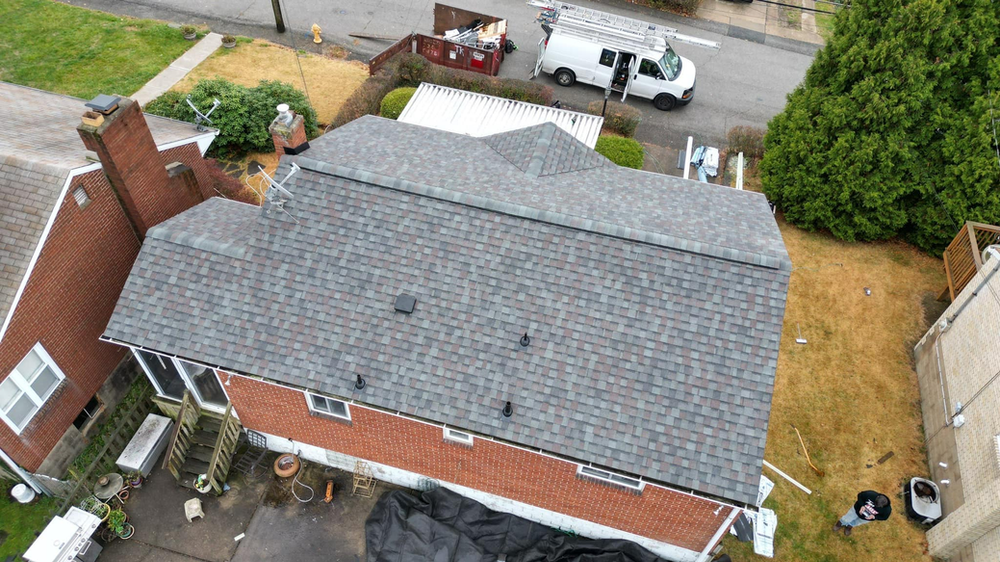
Pittsburgh homeowners know that severe weather can strike without warning. When a storm tears through your neighborhood and damages your home's exterior, the financial stress can feel overwhelming. The good news is that homeowners insurance often provides coverage for storm damage siding Pittsburgh situations, though the specifics depend heavily on your policy details and the nature of the damage.
Understanding what your policy actually covers before disaster strikes puts you in a much stronger position. Let me walk you through what you need to know about filing siding insurance claims and navigating the recovery process effectively.
What Storm Damage Does Homeowners Insurance Typically Cover?
Standard homeowners insurance policies cover damage that is sudden and accidental in nature. This includes wind damage, hail damage, lightning strikes, and fallen trees or branches. If a powerful storm rolls through Pittsburgh and sends debris flying into your siding, that damage is generally covered under your dwelling protection.
Wind-driven rain that enters your home through a storm-damaged opening also falls under coverage. The same applies to fires started by lightning and power surges that destroy electronics. However, flood damage requires separate flood insurance, and earthquake damage needs its own policy as well.
Will Homeowners Insurance Cover New Siding?
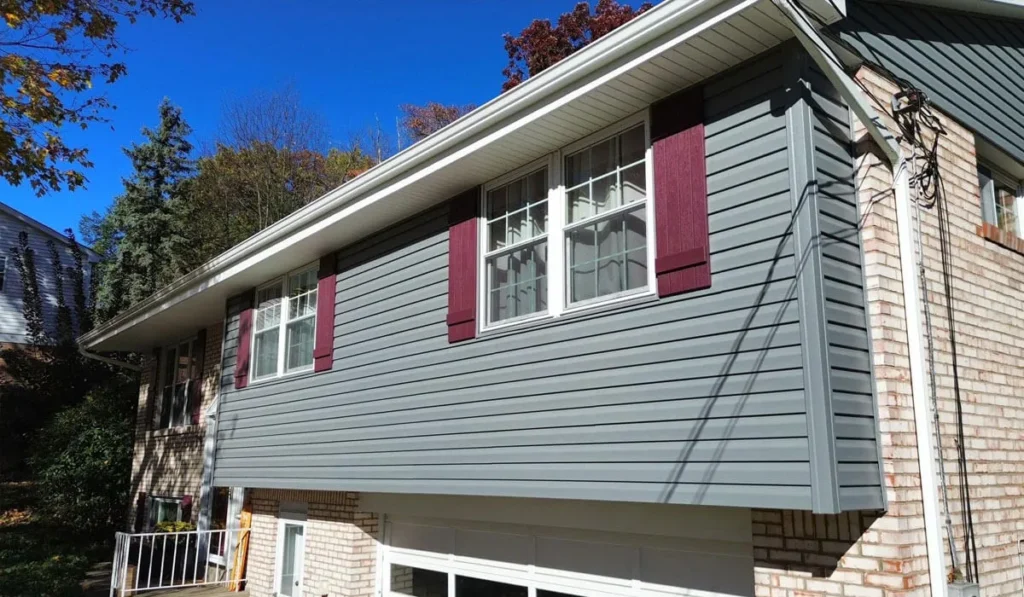
Yes, homeowners insurance can help with insurance cover siding damage when the cause is a covered peril like wind, hail, or falling debris. The key factor is proving that a specific storm event caused the damage. You cannot file a claim for siding that has deteriorated over time due to age or lack of maintenance.
Many policies will only pay to repair or replace the damaged sections of your siding. This can create a problem when new siding does not match the weathered appearance of your existing panels. Some policies include matching coverage provisions that allow for more extensive replacement to ensure a uniform look. Check your policy documents carefully or call your agent to understand your specific coverage.
What Constitutes Hail Damage to Siding Sufficient to Be Replaced by Insurance?
Insurance adjusters look for specific indicators when assessing hail damage claims. Visible dents, cracks, chips, or punctures in your siding material typically qualify for coverage. The damage must clearly result from impact rather than from aging or wear.
Vinyl siding may show cracks or breaks where hailstones made contact. Aluminum siding often displays dents. Fiber cement and wood siding can chip or splinter upon impact. Insurance companies generally require photographic evidence and may send their own adjuster to verify claims.
Signs of Legitimate Storm Damage
Fresh damage looks different from old damage. Recent hail impacts often show bright, newly exposed material beneath the surface. Wind damage may leave sections of siding hanging loose or completely torn away. Document everything with clear, dated photos immediately after the storm passes.
Understanding Coverage Types: Replacement Cost vs. Actual Cash Value
Your payout amount depends significantly on whether you have replacement cost or actual cash value (ACV) coverage. Replacement cost coverage pays to replace your damaged siding with new materials of similar kind and quality. ACV coverage factors in depreciation, meaning you receive less money for older siding.
| Coverage Type | How It Works | Best For |
|---|---|---|
| Replacement Cost | Pays full cost to replace with new materials | Most homeowners; ensures complete restoration |
| Actual Cash Value | Pays replacement cost minus depreciation | Lower premiums; older homes |
The difference can be substantial. If your 15-year-old siding needs replacement, ACV coverage might only pay a fraction of what new installation costs. Review your policy or speak with your insurance agent to confirm which type of coverage you carry.
What Not to Say During a Home Insurance Claim
The claims process requires careful communication. Avoid admitting fault or speculating about causes you are not certain about. Do not exaggerate damage or make claims about areas of your home unaffected by the storm.
Never tell the adjuster that the damage was pre-existing or that it happened gradually. Stick to facts you can verify. If you do not know the answer to a question, say so rather than guessing. Keep records of all communications and follow up in writing whenever possible.
How to File a Storm Damage Siding Claim in Pittsburgh
Acting quickly after a storm improves your chances of a successful claim. Start by documenting all visible damage with clear photos and videos. Include wide shots of your entire home exterior and close-up images of specific damage areas. Note the date and time.
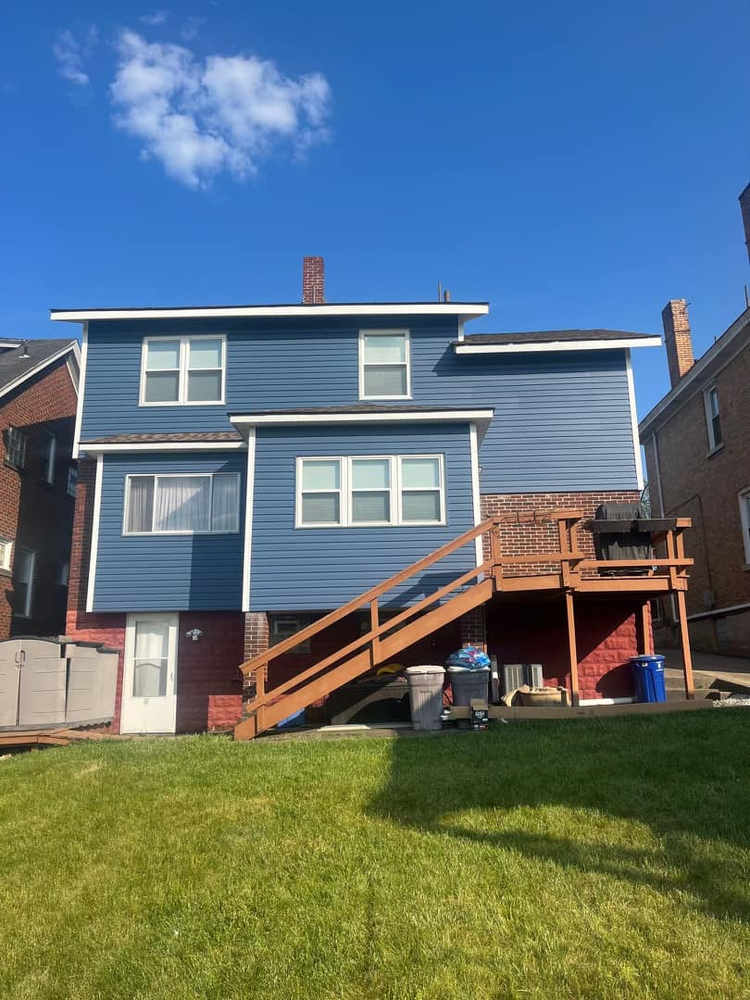
Review your policy to understand your deductible and coverage limits before contacting your insurer. Some policies have short notice windows for filing claims, so do not delay. When you call, provide factual information about what happened and what damage you observed.
Obtain detailed repair estimates from reputable contractors. For questions about the repair process or to better understand your options, check out the Frequently Asked Questions About Our Roofing and Exterior Services page for helpful guidance.
How to Pay for Siding Replacement
If your insurance claim is approved, the payout process typically involves an initial payment after the adjuster assesses damage. You may receive a second payment once repairs are completed, depending on your policy structure. Keep all receipts and contractor invoices.
When insurance does not cover the full cost, financing options exist. Many contractors offer payment plans. Home equity loans or lines of credit provide another avenue for larger projects.
Commercial Siding and Storm Damage Coverage
Business owners face similar challenges with commercial siding damage from storms. Commercial property insurance policies often include coverage for exterior damage, though terms and conditions vary. Review your business policy carefully and document damage thoroughly.
Commercial claims can be more complex due to business interruption considerations and larger coverage amounts. Working with an experienced contractor who understands both residential and commercial projects helps ensure proper documentation and restoration. According to the Insurance Information Institute, prompt documentation and clear communication remain essential regardless of property type.
What Is Typically Excluded from Coverage?
Understanding exclusions helps set realistic expectations. Flood damage is not covered under standard homeowners policies and requires separate flood insurance through the National Flood Insurance Program or a private insurer. Earthquake damage similarly requires its own policy.
Normal wear and tear never qualifies for claims. If your siding has deteriorated over years of exposure and a storm simply revealed existing problems, your claim will likely be denied. Damage resulting from poor maintenance or neglect also falls outside coverage. Keep your home exterior in good condition to avoid claim disputes.
Protecting Your Investment After Storm Damage
Pittsburgh's weather patterns make storm preparedness essential. Regular maintenance and inspections help you catch small issues before they become major problems. Strong, properly installed siding withstands storms better than aged or damaged materials.
Consider upgrading to impact-resistant siding materials when replacement becomes necessary. These products cost more upfront but may reduce future damage and could qualify you for insurance premium discounts. A reputable local contractor can help you evaluate options that make sense for your budget and your home's specific needs.
The bottom line is this: homeowners insurance can help cover siding damage from storms in Pittsburgh, but success depends on documentation, understanding your policy, and working with qualified professionals throughout the process.