Table of Contents
Pittsburgh homeowners know the struggle. Winter brings bitter cold, summer delivers humid heat, and your HVAC system works overtime trying to keep up. What many people overlook is how much their siding impacts those energy bills. The truth is, the exterior of your home acts as a critical barrier between your living space and the elements outside.
Choosing the right siding material can dramatically change how your home performs throughout the year. Insulated siding energy efficiency has become a hot topic among Pittsburgh property owners looking to reduce utility costs while improving indoor comfort. In this guide, we will explore everything you need to know about whether insulated siding is the right choice for your home.
Understanding How Insulated Siding Works
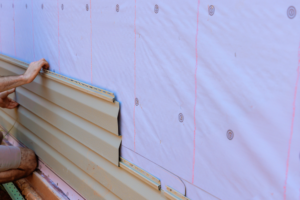
Insulated siding combines traditional vinyl or fiber cement panels with a layer of expanded polystyrene foam (EPS) attached to the back. This foam layer creates continuous insulation across your exterior walls. Unlike standard siding that leaves gaps where heat escapes, insulated options eliminate thermal bridging through wall studs.
The result? Your home maintains more consistent temperatures without forcing your furnace or air conditioner to run constantly. According to the U.S. Department of Energy, adding continuous insulation when installing new siding is one of the most effective ways to reduce energy waste in existing homes.
Does Insulated Siding Improve Energy Efficiency in Pittsburgh’s Climate?
Pittsburgh sits in climate zone 5, which means buildings face both heating-dominated winters and warm, humid summers. This dual challenge makes energy efficient siding Pittsburgh homes desperately need particularly valuable here.
The foam backing on insulated siding adds an R-value of approximately R-2 to R-4 to your exterior walls. While that might sound modest, it creates a meaningful difference in how your home handles temperature swings. Studies show homeowners can achieve 10 to 15 percent savings on heating and cooling costs after installation. Some properties in colder climates have reported savings up to 20 percent annually.
What is the Best Siding for Energy Efficiency?
Not all siding materials deliver the same thermal performance. Here is how the most common options compare:
| Siding Material | Approximate R-Value | Energy Efficiency Rating |
|---|---|---|
| Insulated Vinyl Siding | R-2 to R-4 | Excellent |
| Fiber Cement | R-0.5 to R-1 | Good (when paired with insulation) |
| Standard Vinyl | R-0.6 | Moderate |
| Wood Siding | R-0.8 to R-1 | Moderate |
| Aluminum Siding | R-0.6 | Low |
Insulated vinyl siding stands out because it comes with built-in foam insulation. Fiber cement offers excellent durability and can perform well when combined with additional insulation layers. For maximum siding insulation benefits, many contractors recommend insulated options specifically for Pittsburgh’s demanding weather conditions.
Does Insulated Vinyl Siding Make a Difference?
The short answer is yes. Insulated vinyl siding creates a tighter thermal envelope around your home. It reduces drafts, minimizes cold spots near exterior walls, and keeps indoor temperatures more stable throughout the day.
Beyond energy savings, homeowners notice improved comfort almost immediately. The foam backing also dampens outside noise by approximately 40 percent, making your home quieter. For Pittsburgh residents living near busy streets or construction zones, this acoustic benefit alone can justify the upgrade.
Does Insulated Siding Count for Energy Credit?
Here is some good news for budget-conscious homeowners. Under the Inflation Reduction Act, qualifying energy-efficient improvements can earn you a federal tax credit of up to 30 percent of material costs. The annual cap sits at $1,200 for insulation upgrades.
Insulated siding generally qualifies when it carries an Energy Star rating. Pennsylvania may also offer state or utility rebates for adding insulation to your home. I recommend consulting a tax professional to ensure you claim every incentive available to you. These credits can significantly offset the higher upfront cost of commercial insulated siding and residential applications alike.
What are the Downsides of Insulated Siding?
No product is perfect, and insulated siding comes with some considerations worth noting.
Higher Initial Cost
Expect to pay 50 to 100 percent more than standard vinyl siding. The materials cost more, and installation takes longer due to the thicker panels. However, long-term energy savings often offset this premium over several years.
Limited Style Options
Because insulated siding is newer to the market, manufacturers offer fewer colors and profiles compared to traditional vinyl. This gap is narrowing as demand increases, but selection remains more limited.
Installation Complexity
The foam backing makes panels thicker, which requires special attention around windows, doors, and trim. Professional installation is essential to achieve proper performance. Poor installation can negate much of the energy benefit you are paying for.
How Pittsburgh Weather Impacts Your Siding Choice
Our region experiences temperature extremes that test any building material. Winters regularly dip below freezing, while summer humidity creates its own challenges. The right insulated siding energy efficiency solution must handle both heating and cooling demands.
Insulated siding performs well in these conditions because the foam backing does not absorb moisture. It resists condensation inside wall cavities, which helps prevent mold growth. The added rigidity also makes panels more resistant to wind damage and impact from hail. For a deeper dive into how different materials affect your Pittsburgh home, check out The Role of Siding in Energy Efficiency for Your Pittsburgh Home.
Maximizing Your Investment in Energy Efficient Siding
Getting the most from your siding upgrade requires more than just choosing the right material. Proper installation makes all the difference. A skilled contractor will inspect your exterior for air leaks, ensure panels fit tightly, and add house wrap where necessary.
Consider pairing new siding with other improvements. Sealing gaps around windows and doors, upgrading attic insulation, and maintaining your HVAC system will compound your energy savings. Think of insulated siding as one piece of a larger efficiency puzzle.
Is Insulated Siding Worth It for Pittsburgh Homeowners?
If you plan to stay in your home for several years, insulated siding typically pays for itself through energy savings and improved comfort. The investment makes even more sense when your existing siding already needs replacement.
Homeowners in older homes with minimal wall insulation see the biggest improvements. Newer constructions may notice more modest gains since walls already meet modern energy codes. Either way, the added durability, noise reduction, and stable indoor temperatures deliver value beyond simple utility bill calculations.
Taking the Next Step
Upgrading to insulated siding represents a smart long-term investment for Pittsburgh properties. The combination of energy savings, improved comfort, and potential tax credits makes it an attractive option for homeowners serious about reducing their environmental footprint and utility costs.
Start by getting a professional assessment of your current siding condition. A qualified contractor can help you understand exactly how much you stand to save and which products best fit your home’s specific needs.