Unlocking the Benefits of Proper Roof Ventilation in Pittsburgh
Why Roof Ventilation Matters More Than You Think
In Pittsburgh, summer humidity can feel relentless. But while most homeowners focus on cooling their interiors, fewer give thought to what’s happening just above their heads. The attic space, specifically, plays a major role in your home’s energy efficiency and comfort. That’s where proper roof ventilation becomes essential.
Roof ventilation isn’t just a technical feature. It’s a foundational part of a healthy, long-lasting home. In cities like Pittsburgh, where summer heat is paired with thick humidity, allowing hot, moist air to escape your attic can help prevent costly problems.
Understanding the Basics of Roof Ventilation
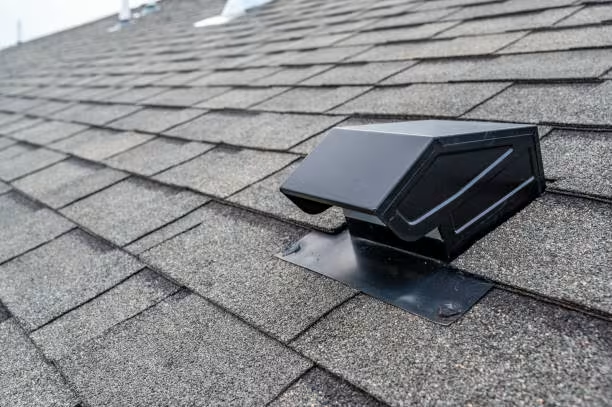
Roof ventilation systems work through a combination of intake and exhaust vents. Intake vents, often located in soffits, pull in cooler outside air. Exhaust vents, like ridge vents or turbines, push hot, moist air out of your attic space.
This continuous airflow balances temperatures and reduces moisture buildup. A properly ventilated attic helps protect everything from your shingles to your insulation. If ignored, poor ventilation can quietly degrade your roof, damage wood structures, and spike your energy bills.
The Role of Proper Roof Ventilation in Pittsburgh’s Humid Summers
During a Pittsburgh summer, temperatures rise and humidity levels remain consistently high. This is the season when attic heat can reach damaging levels, sometimes exceeding 130 degrees. Without a way to expel that heat, your entire home suffers.
Hot, trapped air makes cooling your house more difficult. Your HVAC system works harder, increasing wear and tear and monthly costs. Excess humidity in the attic can also contribute to mold growth and wood rot. The Role of Proper Roof Ventilation in Pittsburgh’s Humid Summers goes far beyond comfort—it impacts safety, health, and the value of your home.
Signs of Poor Roof Ventilation You Shouldn’t Ignore
Many Pittsburgh homeowners don’t realize they have a ventilation issue until they start noticing physical symptoms inside the home. A few key red flags to watch for include:
- Attic feels like a sauna, even in the early morning
- Condensation on rafters or signs of mildew
- Ice dams in winter (caused by uneven roof temperatures)
- Curling or prematurely aging shingles
- Rising energy costs despite no changes in habits
If you spot one or more of these issues, it’s time to consult with a professional. They can inspect and diagnose any imbalance in your system.
Common Causes of Ventilation Problems
It’s not always about not having vents—sometimes, it’s about how those vents are working together. In some homes, intake vents are blocked by insulation. In others, exhaust vents are inadequate or not working at full capacity.
Some older Pittsburgh homes were built before ventilation standards were updated. Others may have had additions or roof modifications that disrupted airflow. Regardless of the cause, a professional evaluation can pinpoint the problem.
The Role of Proper Roof Ventilation in Pittsburgh’s Humid Summers on Energy Efficiency
It’s no secret that Pittsburgh homeowners want to stay cool in the summer. But cooling your home shouldn’t come at a premium. A hot attic radiates heat downward into your living space, which can make it feel 5 to 10 degrees warmer indoors.
Proper ventilation reduces this trapped heat, making your air conditioner more effective. This means fewer runtime hours, lower energy bills, and a longer lifespan for your cooling system.
How Roof Ventilation Helps Prevent Costly Damage
Beyond energy savings, roof ventilation can help protect your home from structural damage. Mold and mildew thrive in moist environments—especially attics without airflow. Wood decking can warp. Insulation loses effectiveness. Even your roof deck can weaken over time.
Avoiding these problems means less money spent on repairs and replacements. Plus, when the time comes to sell your home, a properly ventilated roof is a strong selling point.
Upgrades and Inspections: What You Can Do
The first step toward improvement is a professional inspection. A qualified roofer can tell you if your current ventilation setup meets the needs of your home. They’ll look for blocked soffits, undersized exhaust systems, or improperly placed vents.
In many cases, solutions are straightforward. You might need to install additional ridge vents, improve attic insulation layout, or clear debris from existing vents. Our team at Malick Brothers Exteriors has handled hundreds of these upgrades throughout the Pittsburgh region.
More Roofing Maintenance Tips for Pittsburgh Homeowners
Want to ensure your home stays in peak condition year-round? We recommend reading our Pittsburgh Roof Ventilation: Tips from Malick Brothers guide. It’s full of actionable advice and insights into Pittsburgh’s specific climate challenges.
Also, browse more Roof Ventilation Pittsburgh tips and other Roofing Maintenance Tips to stay ahead of seasonal damage and ensure your roof is properly cared for.
Additional Resources Worth Reading
If you’re looking to dive deeper into this topic, check out this helpful roof ventilation guide from Energy Star.
Final Thoughts: Invest in Ventilation Now, Save Later
The Role of Proper Roof Ventilation in Pittsburgh’s Humid Summers is too important to ignore. When heat and humidity meet in your attic, the long-term consequences can be costly. But with balanced airflow and expert guidance, you can preserve your roof, improve energy efficiency, and enhance your home’s comfort.
Don’t wait until something goes wrong. Talk to a local expert who understands Pittsburgh homes, seasons, and roofing challenges.
Contact Malick Brothers Exteriors at (412) 616-0191.