Choosing the right roof for your property is one of the most important decisions you will make as a homeowner or property manager. The roof protects everything beneath it from weather, temperature extremes, and structural damage. Understanding the different types of roofing systems available will help you make an informed choice that balances durability, cost, and aesthetics.
I have worked with clients who felt overwhelmed by the sheer number of roofing options on the market. The good news is that most roofs fall into three primary categories. Once you understand these categories, selecting the right system becomes much simpler.
What Are the Three Main Types of Roofing?

The three main types of roofing systems are shingle, metal, and flat or membrane roofing. Each category serves different purposes and works best on specific building types. Shingle roofs dominate the residential market due to their affordability and versatility. Metal roofs have gained popularity for both homes and commercial properties because of their exceptional lifespan. Flat roofing systems are the standard for commercial buildings with low-slope or completely flat roof decks.
Your choice depends on several factors including your budget, climate, building structure, and long-term maintenance preferences. Understanding these three categories gives you a foundation to explore the specific materials within each type.
Shingle Roofing Systems Explained
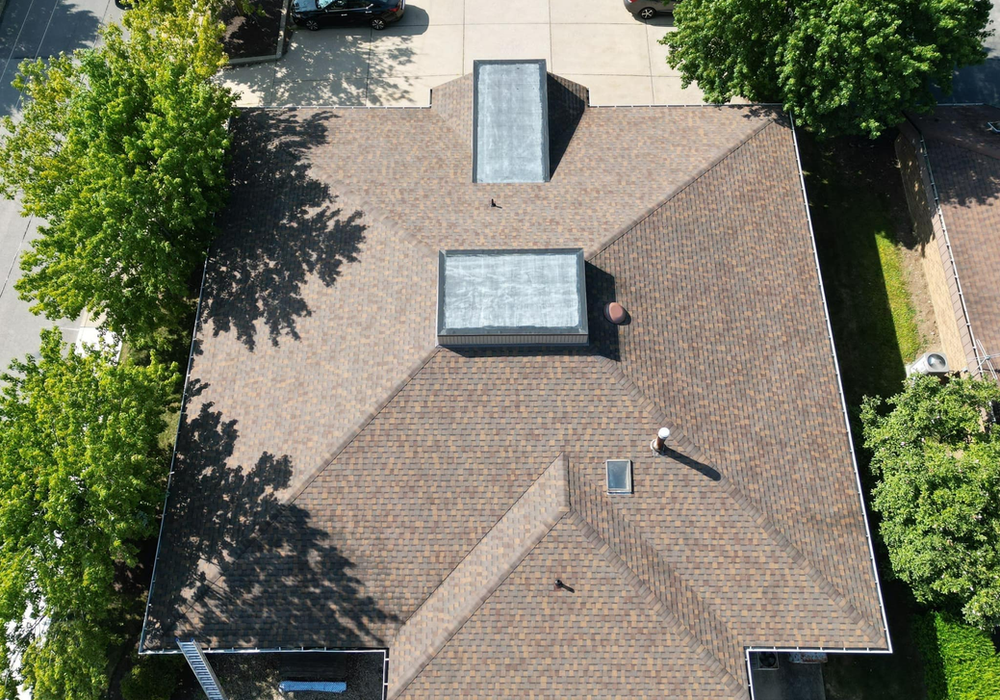
Shingle roofing remains the most common choice for single-family homes across the country. These roofs use overlapping pieces of material installed in rows from the bottom edge to the peak. Asphalt shingles are by far the most popular option due to their balance of affordability and performance. They come in a wide range of colors and styles to complement almost any architectural design.
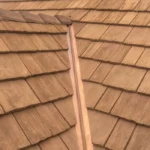
Beyond asphalt, shingle roofing includes options like wood shakes, slate, and composite materials. Wood shakes offer a natural, rustic appearance but require more maintenance. Slate provides unmatched durability and can last over a century when properly installed.
What Are the Three Classes of Roofing?
Roofing materials are often classified by their resistance to fire and impact. Class A roofing provides the highest level of fire resistance and is required in many building codes. Class B offers moderate protection while Class C provides basic fire resistance. Impact ratings follow a similar pattern, with Class 4 shingles offering the best protection against hail and debris damage.
These classifications matter when selecting pitched roofing types for areas prone to severe weather. Insurance companies often provide premium discounts for homes with Class 4 impact-resistant shingles.
Metal Roofing: Durability That Lasts
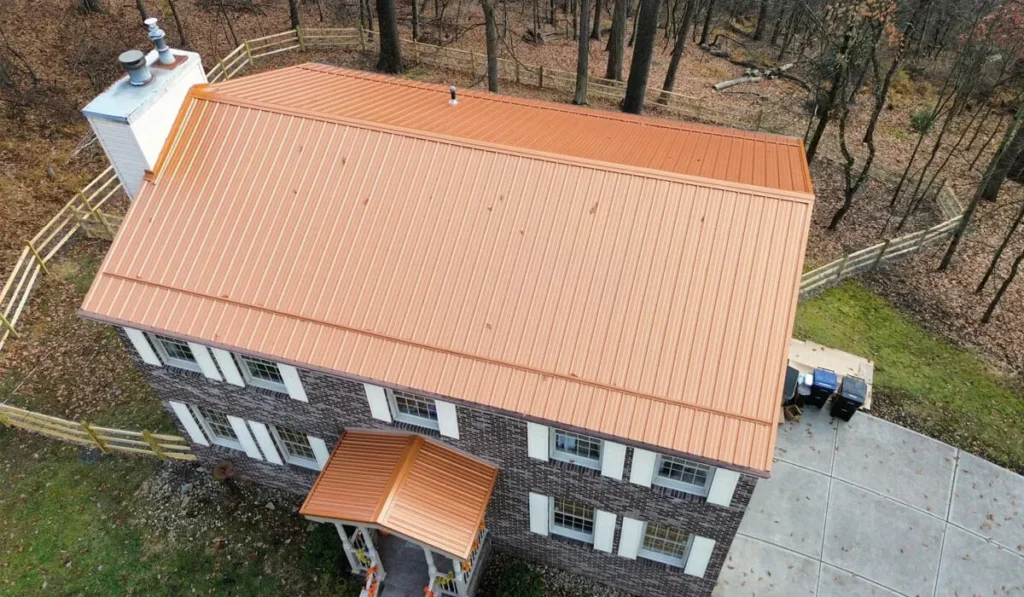
Metal roofing has evolved far beyond the corrugated barn roofs of the past. Modern metal roofs come in standing seam panels, metal tiles, and shingle-style pieces that mimic traditional materials. Steel, aluminum, copper, and zinc are the most common metals used. Each offers different benefits in terms of weight, corrosion resistance, and aesthetic appeal.
The primary advantage of metal roofing is its exceptional lifespan, often lasting 40 to 70 years with minimal maintenance. Metal roofs reflect solar heat rather than absorbing it, which can reduce cooling costs significantly. According to State Farm, metal roofs can provide a 10 to 25 percent reduction in energy costs. The initial investment is higher than asphalt shingles, but the long-term value makes metal an increasingly popular choice.
Understanding Flat and Membrane Roofing
Commercial roofing types most commonly feature flat or low-slope designs. These roofs require specialized membrane systems to prevent water infiltration. Built-up roofing, single-ply membranes, and modified bitumen are the three primary systems used on flat commercial structures.
Built-up roofing consists of multiple layers of asphalt and reinforcing fabrics topped with gravel. Single-ply membranes like TPO, EPDM, and PVC are large sheets of synthetic material adhered or mechanically fastened to the roof deck. Modified bitumen combines asphalt with rubber modifiers and is installed in overlapping rolls.
Do Roofers Still Use Three-Tab Shingles?
Three-tab shingles have been a staple of residential roofing since the mid-twentieth century. These shingles feature three tabs along their bottom edge, creating a uniform brick-like pattern when installed. They remain available and are still used on budget-conscious projects and rental properties. However, the roofing industry has shifted significantly toward architectural shingles as the new standard.
The shift away from three-tab shingles stems from their limitations in durability and wind resistance. Three-tab shingles typically carry warranties of 20 to 25 years but may need replacement in as few as 15 years. Architectural shingles offer better wind resistance, often rated for 110 to 130 mph compared to around 60 mph for three-tab products. Many manufacturers have reduced or discontinued their three-tab product lines.
How Many Roofing Systems Are There?
While the three main categories cover most installations, the number of specific roofing systems runs into the dozens. Within the shingle category alone, you can choose from organic asphalt, fiberglass asphalt, wood, slate, tile, and synthetic composites. Metal roofing includes standing seam, corrugated, stone-coated steel, and architectural panels. Flat roofing adds options like spray polyurethane foam and green roofs.
The diversity of options allows property owners to match roofing solutions to specific needs. Understanding that all these options fit within three foundational categories simplifies the decision-making process considerably.
Comparing Roofing System Costs and Lifespans
Three-Tab Shingles: $3.50 – $5.50 per square foot | 15 – 25 years lifespan
Architectural Shingles: $4.50 – $8.00 per square foot | 25 – 35 years lifespan
Standing Seam Metal: $8.50 – $14.00 per square foot | 40 – 70 years lifespan
TPO Membrane: $5.50 – $8.50 per square foot | 20 – 30 years lifespan
EPDM Membrane: $4.50 – $7.50 per square foot | 25 – 30 years lifespan
Modified Bitumen: $4.00 – $8.00 per square foot | 20 – 30 years lifespan
These figures provide general guidance, though actual costs vary based on location and roof complexity.
Choosing the Right System for Your Property
Selecting a roofing system requires evaluating your specific circumstances. Climate plays a major role since areas with heavy snowfall, frequent hail, or extreme heat demand different performance characteristics. Building structure matters because not all roofs can support the weight of heavy materials like slate or concrete tiles.
For residential properties, I recommend consulting with a qualified roofing contractor who can assess your specific needs. For those looking to understand more about the fundamentals, the guide What Is Roofing? (Explained for Homeowners & Property Managers) provides an excellent starting point. Commercial property managers should work with contractors experienced in flat roofing systems.
Final Thoughts on Roofing Systems
The three types of roofing systems serve as the foundation for every roofing decision. Shingle roofs offer versatility and affordability for residential applications. Metal roofs deliver exceptional longevity and energy efficiency for those willing to invest more upfront. Flat and membrane systems protect commercial structures with specialized waterproofing technology.
Regular inspections and proactive maintenance extend the life of any roofing system. Address minor issues before they become major problems. Partner with reputable contractors who understand your specific roofing type. Your roof is a long-term investment, and informed choices today pay dividends for decades to come.