
Roof restoration is a careful, step by step alternative to tearing off a roof and starting over. Instead of sending tons of material to a landfill, a crew inspects, repairs, and upgrades what you already have. The roof restoration process typically starts with a full inspection, deep cleaning, and moisture check, then moves into targeted repairs and protective coatings. When it is done correctly, restoration can add 10 to 15 years of life to a roof while improving energy performance and comfort. For many owners, What Does Roofing Restoration Involve? (Commercial & Residential Guide) really comes down to stretching the life of a good structure without overspending on premature replacement.
What is the meaning of roof restoration?
At its core, roof restoration means taking an aging but recoverable roof and bringing it back to a high performing condition. It is more than a quick patch job but less drastic than a full replacement. A contractor evaluates the deck, insulation, membrane or shingles, flashing, and penetrations to confirm the structure is sound. From there, they design a roof restoration process that focuses on repairs, reinforcement, and protective finishes instead of demolition. For roofs in that middle stage of life, restoration becomes the sweet spot between short term fixes and a disruptive capital project.
Signs your roof may be a restoration candidate
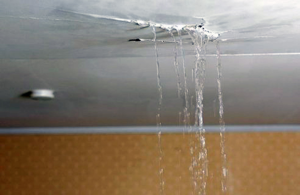
If you are seeing recurring but manageable leaks, worn surfaces, or aging sealant, restoration might be on the table. Roofs that are approaching the end of their expected service life but are not structurally failing are often ideal. On commercial buildings, that is frequently around the 15 to 20 year mark, depending on materials and maintenance history. The key is catching issues early, before moisture saturates insulation or damages the structural deck. A thorough inspection will confirm whether you are a good candidate or already in replacement territory.
What Does Roofing Restoration Involve? (Commercial & Residential Guide) benefits and ROI
For owners, the numbers are often what seal the deal. Done at the right time, restoration can cost 50 to 70 percent less than a full tear off and replacement while still adding a decade or more of service life. Reflective coatings applied as part of a roof rejuvenation can also lower cooling loads by reducing heat absorption through the roof surface, which is especially valuable on large commercial buildings. The result is a double payoff: immediate savings compared to replacement and ongoing operational savings through better efficiency. Because restoration usually involves less noise, debris, and disruption, it also keeps tenants happier and businesses operating while the work is completed.
Residential benefits of restoration
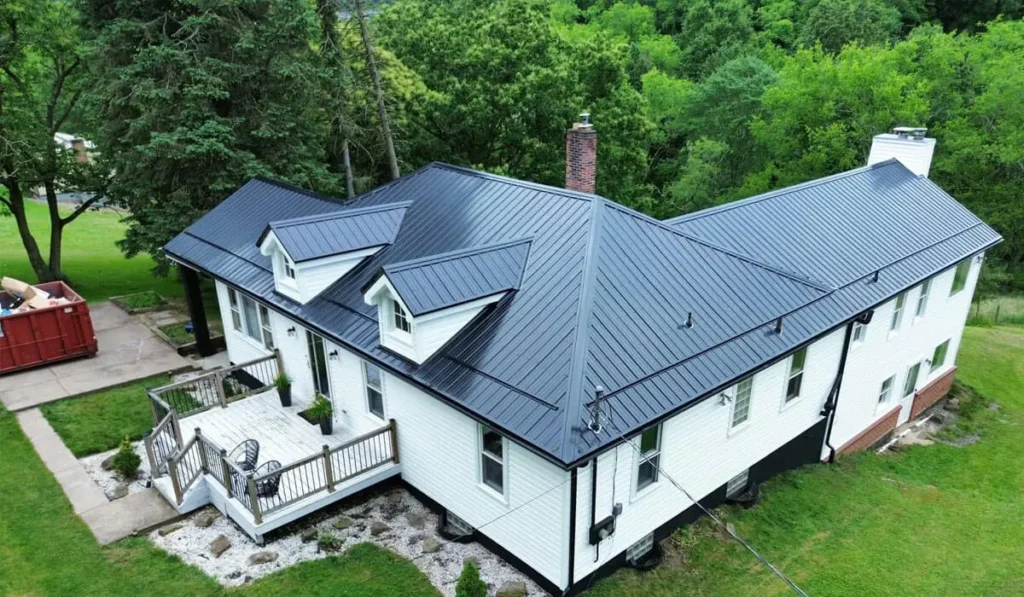
On homes, restoration often focuses on shingles, tiles, or metal panels that look tired but still have life left structurally. Contractors may replace localized problem areas, seal flashings, and add protective treatments that slow aging and improve appearance. A well planned roof rejuvenation can make an older home look freshly updated from the street, which matters for curb appeal and resale. It can also tighten vulnerable areas around chimneys, skylights, and valleys so you are less likely to deal with surprise leaks during the next heavy storm. For many homeowners, this middle path is the smartest way to extend value between full replacements.
Commercial benefits and ROI
For businesses, the financial benefits of commercial roof restoration go beyond the initial price tag. Work is typically completed from the exterior, so tenants and operations see minimal disruption. Coatings and upgrades can improve reflectivity and insulation performance, supporting energy management and ESG goals over time. If you want a deeper dive into how these projects fit into broader asset planning, resources like Mastering Commercial Roofing: A Pittsburgh Business Owner’s Guide break down local code, climate, and budgeting considerations in more detail. When you stack those long term benefits against repeated short term repairs, restoration often wins on total cost of ownership.
How does roof restoration work?
Most projects follow a predictable roadmap, even though every building is different. First comes the inspection, including moisture testing on commercial roofs to find trapped water that may not be visible on the surface. Next, the roof is deep cleaned so new primers and coatings can bond properly. Crews then complete repairs, from replacing damaged shingles or tiles to reinforcing seams, flashings, and penetrations on flat roofs. Finally, they apply coatings or sealants that complete the roof rejuvenation and protect the system from UV exposure, ponding water, and temperature swings.
What is a commercial roofing technician?
In the commercial world, restoration is usually led by a commercial roofing technician or project manager who understands complex flat and low slope systems. These professionals work with EPDM, TPO, PVC, metal, and built up roofs every day, so they can spot subtle signs that a system is still restorable. They plan the sequence of cleaning, repairs, and coatings around weather, building use, and safety constraints. Many are also trained to use diagnostic tools like infrared imaging and moisture testing to confirm conditions below the surface. When you combine that expertise with a structured roof restoration process, you get consistent results instead of guesswork.
What is roof restoration coverage?
From an insurance and warranty perspective, coverage can get confusing quickly. Some manufacturer warranties allow certain types of restoration or coating systems but require pre approval and specific products. Insurers may cover eligible repairs that are part of a broader roof repair vs restoration strategy, especially when damage is caused by a storm or sudden event. Others may draw a line between routine maintenance, elective upgrades, and insurable damage. Before starting any major work, it is smart to have your contractor review warranties and talk with your agent so you understand what is and is not covered.
Roof repair vs restoration: how to decide
Owners often ask whether they should keep repairing small issues or move ahead with a planned restoration. If you are calling a roofer every season for new leaks, endless spot repairs may be costing more than a single, organized roof repair vs restoration project. A full condition assessment will look at age, leak history, moisture in the system, and code requirements for your building type. If the deck is dry and structurally sound and problems are mostly at the surface, restoration is often the better value. When decay, saturation, or structural issues show up, a replacement conversation becomes unavoidable.
What Does Roofing Restoration Involve? (Commercial & Residential Guide) for different roof types
The details of commercial roof restoration change based on the system on the building. Single ply membranes like TPO and EPDM often receive cleaning, seam and flashing repairs, then acrylic or silicone coatings tailored to ponding and UV exposure. Metal roofs may need rust treatment, fastener replacement, and seam encapsulation before a coating goes down. On shingle or tile roofs, crews focus on replacing broken components, securing loose pieces, and applying sealants or breathable treatments that slow further wear. In every case, the goal is the same: extend life, prevent leaks, and improve performance without ripping everything off.
Flat and low slope systems
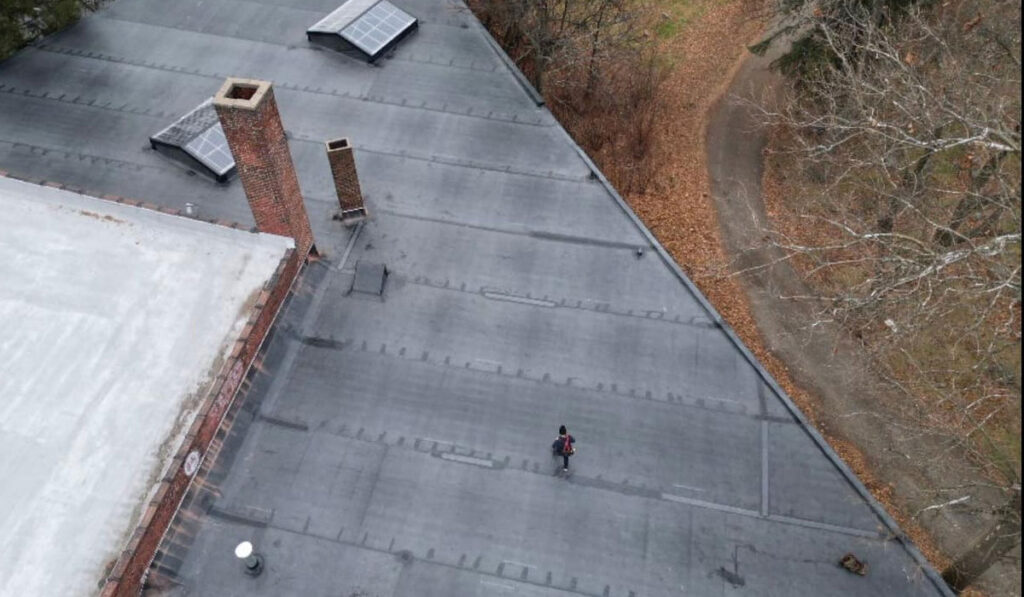
On flat and low slope commercial roofs, the roof restoration process often targets drainage and seams first. Technicians clear and re establish positive drainage so water does not sit on the surface after storms. They reinforce problem areas around HVAC curbs, skylights, and parapet walls, then install high performance coatings designed for standing water and UV. When paired with reflective products, this kind of commercial roof restoration can contribute to noticeable cooling cost reductions, something independent studies on reflective coatings have documented for large buildings.
Steep slope residential systems
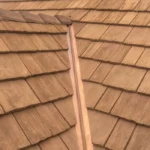
Steep slope systems, such as asphalt shingle or tile roofs, call for a different sequence. Crews replace cracked or missing shingles or tiles, re secure loose hip and ridge details, and refresh flashings around penetrations. They may also apply sealants or treatments that support a gentle form of roof rejuvenation without trapping moisture. The end result is a roof that sheds water more reliably and presents a cleaner, more uniform appearance from the street. For many homeowners, that combination of function and aesthetics is exactly what What Does Roofing Restoration Involve? (Commercial & Residential Guide) is meant to deliver.
Choosing the right partner for your roof restoration process
Because restoration is a specialized service, contractor choice is just as important as product choice. Look for teams with proven experience in the systems you own, strong local references, and manufacturer relationships for the coatings being installed. Ask how they inspect, document, and test existing roofs before recommending commercial roof restoration. I also recommend reviewing sample reports or photos from prior projects so you understand how they communicate on progress and issues.
When restoration is not enough
There are moments when a responsible contractor will advise against restoration, even if you are hoping to avoid replacement. If testing finds saturated insulation or decayed decking over large areas, covering it with coatings will only hide a growing problem. Older roofs that have already been recovered once may also be at or over the number of layers allowed by building code. In these cases, replacement becomes the safer path for both the building and its occupants. A good contractor will still look for phasing options and value engineering so the project is manageable instead of overwhelming.