Table of Contents
Commercial roofing is one of those topics that sounds straightforward until you start digging into the details. At its core, the commercial roofing definition refers to roofing systems designed specifically for non-residential buildings. We are talking about offices, warehouses, retail centers, and industrial facilities. These structures have unique demands that residential homes simply do not share.
I have seen business owners make costly mistakes by assuming their building’s roof works just like their home’s. It does not. Commercial roofs protect larger investments, house expensive equipment, and often support heavy HVAC units on their surfaces. Understanding what qualifies as commercial roofing helps you make smarter decisions about maintenance, repairs, and replacements.
What Is Considered a Commercial Roof?
A commercial roof is any roofing system installed on a non-residential structure. This includes office buildings, shopping centers, hospitals, schools, factories, and warehouses. The key distinction lies in the building’s purpose and the roofing requirements that follow from it.
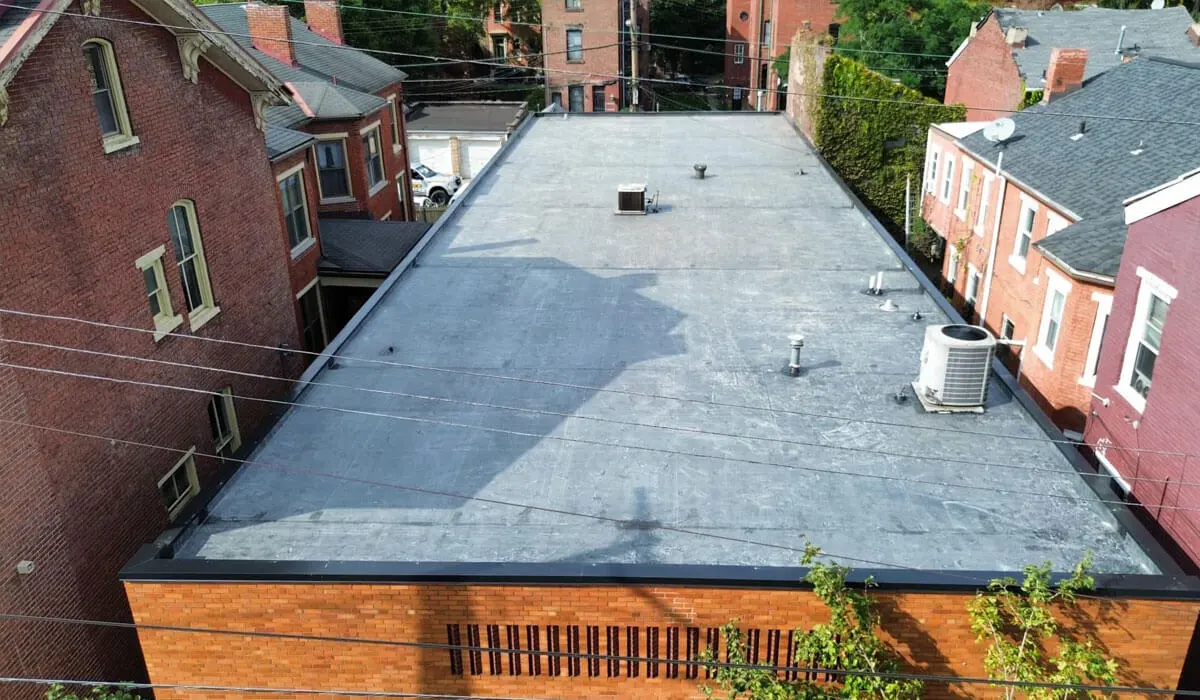
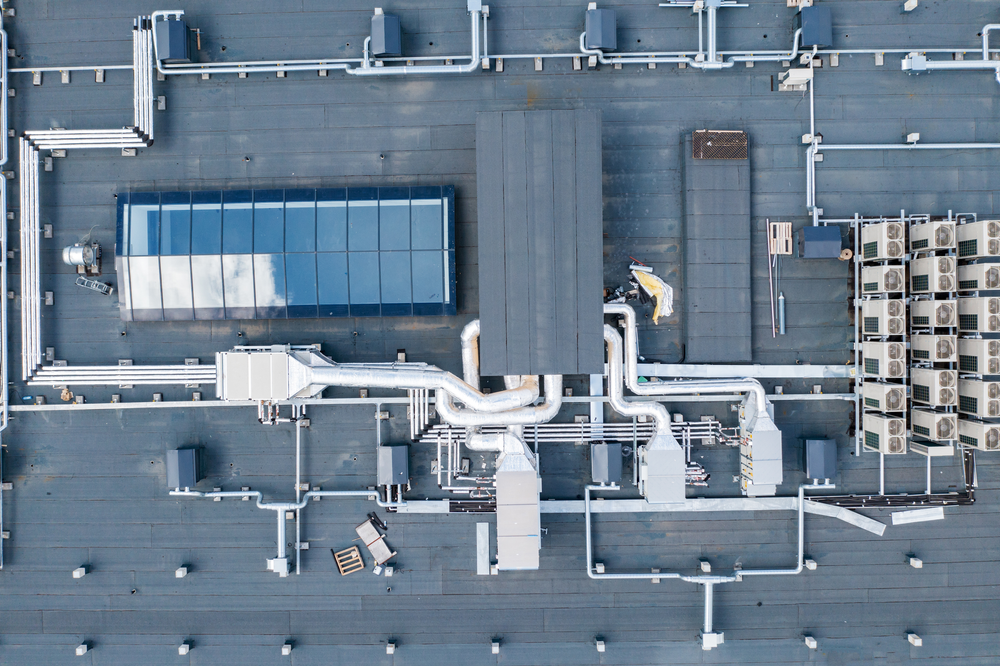
Most commercial roofs feature flat or low-slope designs. This is not an aesthetic choice. Flat roofs maximize usable interior space, accommodate rooftop equipment, and simplify drainage across large surface areas. They also make inspections and maintenance more accessible for facility managers.
The materials used on commercial buildings differ significantly from residential options. Single-ply membranes, built-up roofing systems, and metal panels dominate the commercial landscape. These materials must withstand foot traffic, support heavy loads, and resist environmental damage over decades of use.
What Is the Difference Between Commercial and Residential Roofing?
The difference between commercial and residential roofing extends far beyond building size. Residential roofs typically feature steep slopes designed to shed water and snow quickly. Commercial roofs prioritize horizontal space and structural load capacity instead.
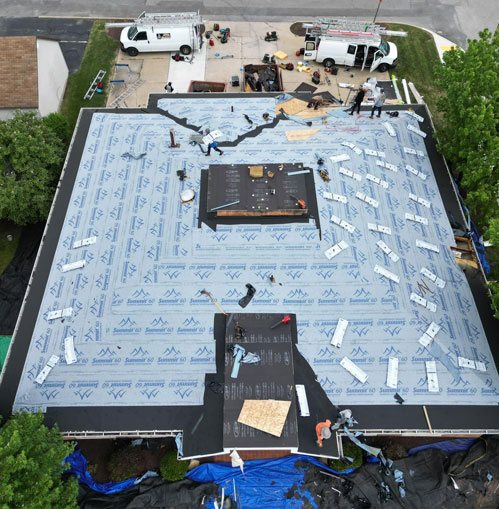
Installation complexity also differs dramatically. Commercial roofing projects require specialized equipment, larger crews, and extensive safety protocols. A residential roof replacement might take a few days. A commercial installation can span weeks depending on the building’s footprint and the system chosen.
Materials tell another part of the story. Homeowners commonly choose asphalt shingles, clay tiles, or wood shakes for their aesthetic appeal. Commercial property owners select TPO, EPDM, PVC, or metal roofing based on performance specifications, longevity, and energy efficiency ratings.
Maintenance schedules vary as well. Commercial roofs demand regular inspections to catch minor issues before they disrupt business operations. The stakes are higher when a leak could damage inventory, equipment, or interrupt customer service.
What Are the Different Types of Commercial Roofing?
The types of commercial roofing systems available today offer solutions for virtually every building type and climate condition. Each system brings specific advantages depending on your facility’s needs.
Single-Ply Membrane Systems
Single-ply membranes represent the most popular choice in modern commercial roofing. TPO and PVC membranes offer excellent waterproofing, UV resistance, and energy efficiency. These materials reflect sunlight, reducing cooling costs during hot months. EPDM, a synthetic rubber membrane, provides exceptional durability and weather resistance at a competitive price point.
Built-Up Roofing
Built-up roofing, often called BUR, has protected commercial buildings for over a century. This system layers asphalt and reinforcing fabrics to create a thick, durable surface. BUR excels at waterproofing and can withstand heavy foot traffic. Many facility managers appreciate its proven track record and straightforward repair process.
Metal Roofing
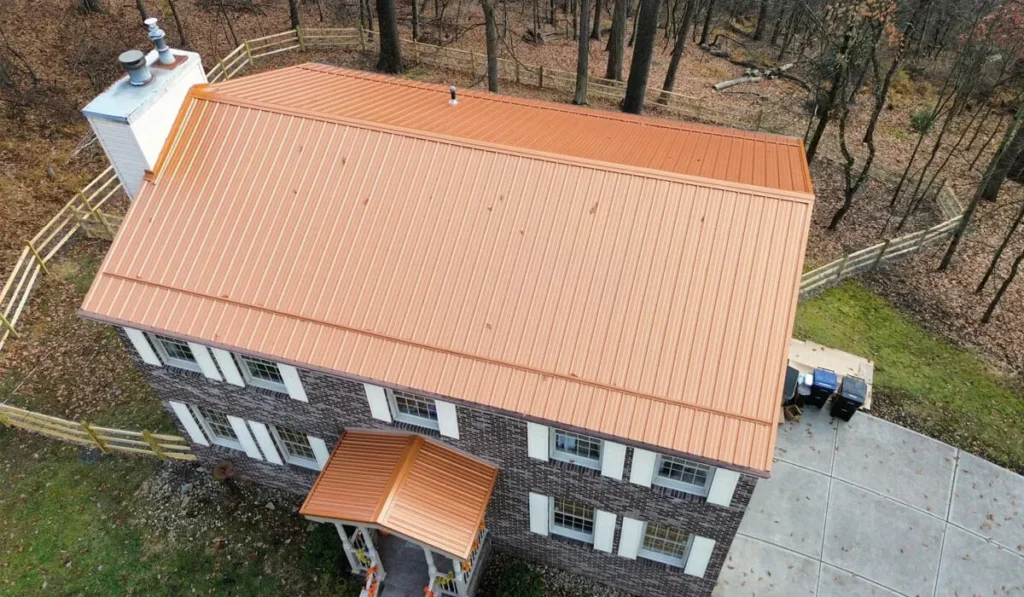
Metal roofing continues gaining popularity in commercial applications. According to industry research from SFS, metal roofs offer durability, low maintenance requirements, and reduced leak risks compared to other materials. They can last 50 years or longer with proper installation and minimal upkeep.
Common Materials Used in Commercial Roofing
Understanding the materials available helps you evaluate contractor proposals and budget effectively. Here is a breakdown of the most common options:
| Material | Lifespan | Best For | Key Benefits |
|---|---|---|---|
| TPO | 20-30 years | Energy-conscious buildings | Reflective, cost-effective, chemical resistant |
| PVC | 20-30 years | Restaurants, chemical facilities | Grease resistant, fire retardant, durable |
| EPDM | 25-30+ years | Harsh climates | Weather resistant, affordable, flexible |
| Metal | 40-50+ years | Industrial, warehouses | Long-lasting, recyclable, low maintenance |
| Modified Bitumen | 15-20 years | Variable climates | Flexible, easy repairs, good waterproofing |
Why Commercial Roofing Matters for Your Business
Your roof does more than keep rain out. It affects your energy bills, insurance premiums, and even employee comfort. A poorly maintained commercial roof can lead to interior damage, mold growth, and operational disruptions that cost far more than proactive maintenance.
Energy efficiency deserves special attention here. Modern commercial roofing systems can significantly reduce cooling costs through reflective surfaces and improved insulation. Cool roofing technology offers higher solar reflectance than traditional materials, keeping interior temperatures more stable year-round.
Property value also connects directly to roof condition. Potential buyers and tenants evaluate roofing systems during due diligence. A well-maintained roof signals responsible ownership and reduces negotiation leverage for price reductions.
Selecting the Right Commercial Roofing System
Choosing the appropriate roofing system requires evaluating several factors specific to your building and business. Climate plays a major role. Buildings in hurricane-prone regions need systems rated for high wind uplift. Facilities in northern states require materials that handle freeze-thaw cycles without cracking.
Consider your building’s purpose as well. Restaurants often choose PVC for its grease resistance. Warehouses may prioritize metal for its durability and minimal maintenance requirements. Office buildings frequently select TPO or EPDM for their balance of performance and cost-effectiveness.
Budget constraints matter, but think long-term. A cheaper installation today might cost more over the roof’s lifetime through repairs, energy waste, and premature replacement. For detailed guidance on matching systems to specific business needs, read How to Choose the Right Commercial Roofing System for Your Business.
Maintenance and Inspection Best Practices
Regular inspections prevent small problems from becoming expensive emergencies. I recommend scheduling professional inspections at least twice annually, plus after any severe weather events. Catching a minor membrane tear early costs a fraction of repairing water damage to your building’s interior.
Keep drainage systems clear. Clogged drains cause water to pool on flat roofs, accelerating material degradation and increasing leak risks. This simple maintenance task extends roof life significantly.
Document everything. Maintain records of inspections, repairs, and contractor visits. This documentation supports warranty claims, helps track recurring issues, and provides valuable information if you ever sell the property.
Industry Trends Shaping Commercial Roofing
The commercial roofing industry continues evolving with new technologies and sustainability priorities. Green roofs are gaining traction among building owners seeking LEED certification and improved energy performance. These living roof systems provide natural insulation while managing stormwater runoff.
Smart roof technology represents another emerging trend. Sensors embedded in roofing systems can detect leaks, monitor temperature fluctuations, and alert facility managers to maintenance needs before visible damage occurs. This proactive approach minimizes downtime and repair costs.
Solar integration is becoming increasingly common on commercial flat roofs. The large, unobstructed surfaces typical of commercial buildings make them ideal candidates for photovoltaic installations that reduce utility expenses and support sustainability goals.
Final Thoughts on Commercial Roofing
Understanding commercial roofing fundamentals empowers you to make informed decisions about your building’s most critical protective system. Whether you manage a small retail space or a sprawling industrial complex, the right roofing solution protects your investment for decades.
Take time to evaluate your current roof’s condition, research material options appropriate for your region, and partner with qualified contractors who specialize in commercial applications. Your roof deserves the same attention you give to every other aspect of your business operations.