If you own a home or building in Pittsburgh, you have probably noticed that roofing costs have climbed over the past few years. The question we hear most right now is simple: will prices finally level off in 2026, or keep rising? The honest answer is that nobody can promise a number, but the pressures that pushed prices up have not gone away. If a roof replacement in Pittsburgh is on your list, the smartest move is to understand what drives the price and get a free written estimate before you are forced into a rushed decision.
Several forces are working together to keep costs firm: materials, tariffs, labor, insurance and the surge in demand that follows every big storm. None of that is a reason to panic. It is a reason to plan.
What Is Driving Pittsburgh Roofing Costs in 2026?
Roofing sits where global supply chains, local labor and weather meet. When any one of them shifts, the price of a roof follows. In 2026 all of them are still pushing in the same direction.
Materials
Asphalt shingles are made from petroleum based products, so the price of oil and asphalt feeds straight into the price of a bundle of shingles. Underlayment, ice and water shield, flashing, vents and fasteners have all followed the same path. Manufacturers announce price changes during the year, and suppliers pass them along.
Tariffs
Steel and aluminum carry tariffs, and that touches more of a roof than most people expect: metal roofing panels, drip edge, flashing, nails and gutters. When tariffs change, manufacturers adjust their price lists, and contractors see those changes on their next supply order.
Labor
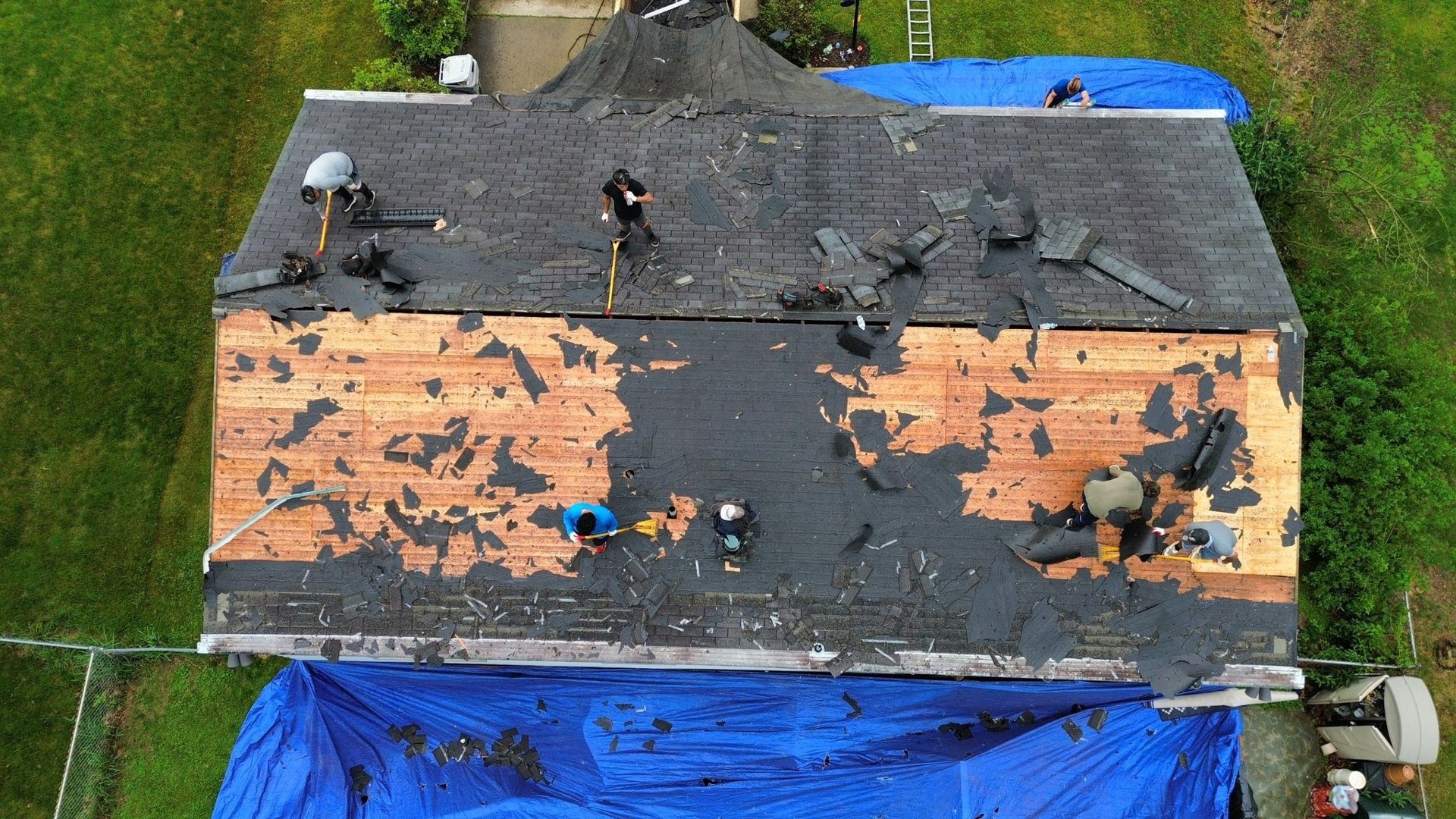
Skilled roofers are in short supply. Experienced installers are retiring and fewer young workers are entering the trade. Safety training, fall protection and insurance for crews all cost more than they used to, and every one of those costs is part of a fair price for a roof done safely and correctly.
Insurance
Contractor liability and workers compensation coverage keep getting more expensive, and that is built into every bid from a properly insured company. On the homeowner side, insurers are looking harder at older roofs, and some policies now treat an aging roof differently at renewal. That pushes more people to replace roofs on their own schedule rather than wait.
Demand After Storms
The wildcard is always weather. A single strong wind or hail event across Allegheny County can fill contractor schedules for weeks and drain local supplier stock of popular shingle colors. When demand jumps all at once, homeowners who need help fast have fewer choices and longer waits.
Will Roofing Prices Go Down in 2026?
Roofing prices rarely fall in any meaningful way. They can hold steady for a stretch, but the long term direction has been upward. Basic asphalt shingles and standard metal panels may see some stability as production catches up. Premium materials like slate and copper tend to hold their price because they serve a smaller, specialized market.
We would not advise anyone to wait for a price drop. A roof that is already leaking or losing shingles gets more expensive to fix the longer it waits, because water damage spreads into decking, insulation and drywall.
What About Commercial Roofing?
Commercial property owners face the same drivers. Membrane systems like EPDM and TPO, insulation board and adhesives are all tied to petroleum and manufacturing costs. Industry coverage such as Roofing Contractor Magazine's 2026 State of the Industry Report describes the year ahead as steady but tight for contractors.
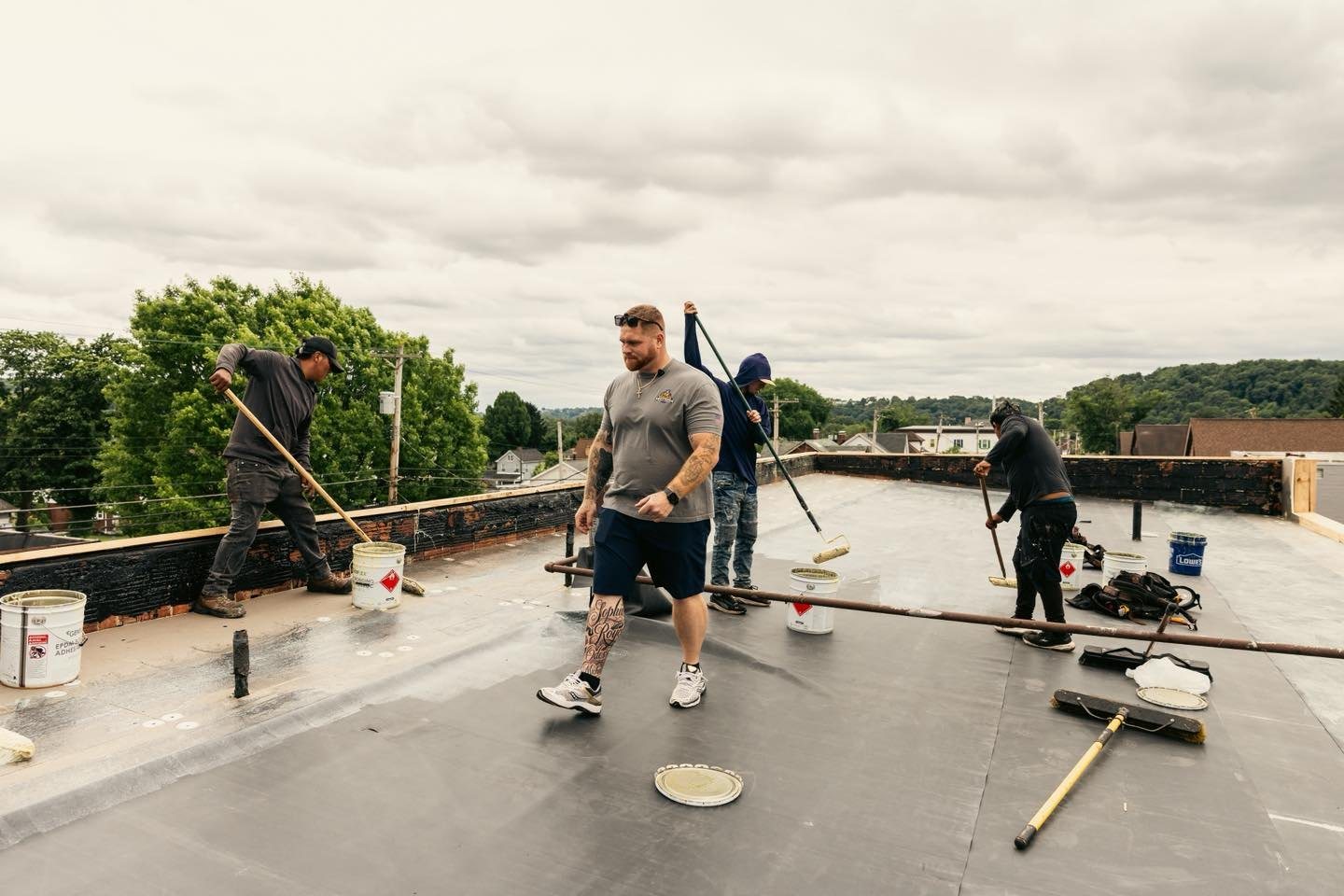
For Pittsburgh building owners, that means good crews book up early. Planning a commercial roofing project well ahead of the busy season gives you more scheduling options. As a MuleHide certified contractor, we install EPDM, two ply low slope systems and silicone coatings on commercial and low slope roofs.
Do All Roofing Materials Rise at the Same Rate?
No. Each material has its own supply chain, so they move differently.
- Asphalt shingles remain the most common choice on Pittsburgh homes. Architectural shingles offer a strong balance of durability and value.
- Metal roofing is affected most directly by steel and aluminum tariffs, but it offers a very long service life.
- Slate is a premium material with a small, specialized supply. Many older Pittsburgh homes have slate that can be repaired rather than replaced.
The right material depends on your house, how long you plan to stay and your budget. You can compare options on our roof materials page.
What Is the 25 Percent Rule in Roofing?
The 25 percent rule is a guideline used by some building officials and insurers. When damage or repairs affect more than about a quarter of a roof, different requirements can apply. In Pennsylvania the Uniform Construction Code sets construction standards, and larger roofing projects may need a permit and may need portions of the roof brought up to current code. Local rules vary by municipality, so we check what applies to your address before work begins.
Insurers sometimes use a similar threshold when deciding between a repair and a full replacement after storm damage. If you are dealing with a claim, an independent inspection and written estimate from your own contractor helps you understand what the adjuster is looking at.
How to Manage Your 2026 Roofing Budget
Planning ahead is the most effective way to control what you spend. A roof replaced on your schedule almost always costs less than one replaced in an emergency.
- Get your free written estimate early. Knowing your real number gives you time to budget and compare.
- Book before the busy season. Late winter and early spring scheduling gives you more choice of dates than the weeks right after a storm.
- Fix small problems now. A loose flashing or a few missing shingles is a far smaller job than rotted decking.
- Compare written bids line by line. Make sure every bid includes the same tear off, underlayment, ventilation and warranty.
- Ask about financing. If the timing is not ideal for your budget, our roof financing options can spread the cost out.
What Should Pittsburgh Homeowners Do Now?
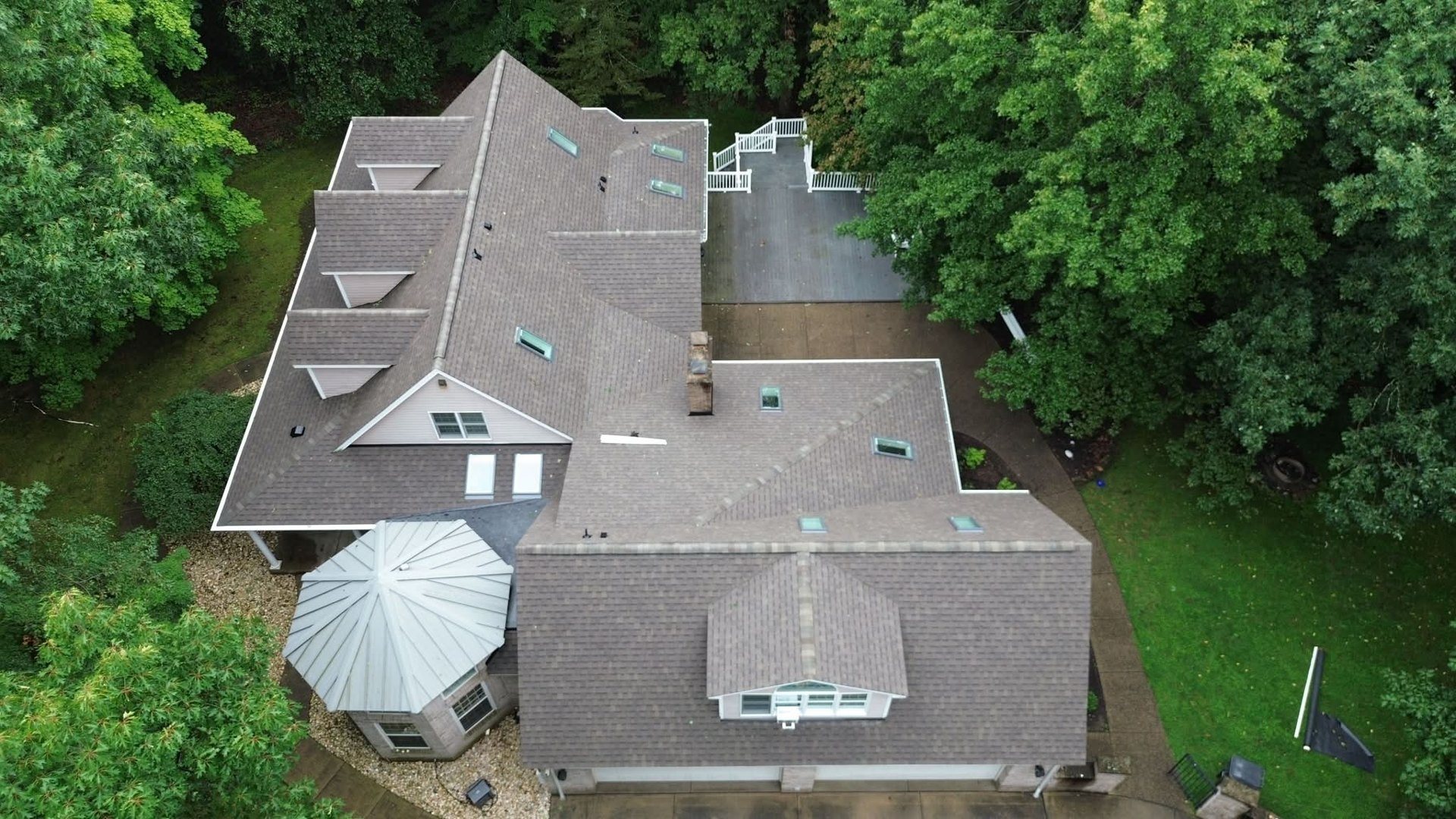
Pittsburgh has a lot of older housing, and our freeze and thaw winters are hard on roofs. If your asphalt shingle roof is approaching 15 to 20 years old, now is the time to start planning. Signs to watch for include curling or missing shingles, granules in the gutters, stains on upstairs ceilings and soft spots on the roof deck.
When you call us, we inspect the roof, take photos, and give you a free written estimate that spells out the materials, the scope and the warranty. As an AtlasPro+ Platinum Select contractor, we can offer the Atlas 50 year warranty on complete Atlas roof systems. We are family owned, BBB A+ accredited and licensed under PA HIC PA174918.
Frequently Asked Questions
Will roofing prices in Pittsburgh go up in 2026?
The forces that raised prices in recent years, including materials, tariffs, labor and insurance, are still in place, so most homeowners should plan for prices to stay firm or rise rather than fall. Your free written estimate is the only number that applies to your home.
Should I wait for roofing prices to drop?
We do not recommend it. Roofing prices rarely fall, and a failing roof gets more expensive to fix as water damage spreads.
What affects the price of my roof the most?
Roof size, pitch, the number of layers to tear off, the condition of the decking, the material you choose and how easy the roof is to access all affect the final price.
Is the estimate really free?
Yes. We inspect the roof and give you a free written estimate with no obligation.
Get Your Free Written Estimate
If you are wondering what your roof will cost this year, the best answer is a real inspection, not a national average. Contact Malick Brothers Exteriors to schedule your free written estimate from our team in West View.