Moving into a new home comes with plenty of questions. One that often gets overlooked until it really matters is the age of your roof. Maybe you noticed a few worn shingles during a storm. Perhaps your insurance company is asking for documentation. Whatever the reason, knowing when your roof was replaced can save you from unexpected expenses and help you plan for future maintenance.
The good news is that tracking down this information is easier than most homeowners expect. You just need to know where to look. In this guide, I will walk you through five reliable methods to determine your roof's installation date, plus a few additional tips that can help you piece together the puzzle.
Why Knowing Your Roof Age Matters
Your roof is one of the most critical components of your home. It protects everything underneath it from the elements. Most asphalt shingle roofs last between 20 and 30 years, while metal or tile roofs can last significantly longer. Understanding how old your roof is helps you anticipate when repairs or replacement might be necessary.
Insurance companies often require this information when issuing or renewing policies. Some carriers will not insure homes with roofs older than a certain age. Knowing your roof's history also adds value if you decide to sell your home, as buyers appreciate documentation.
How to Find Out When a Roof Was Installed
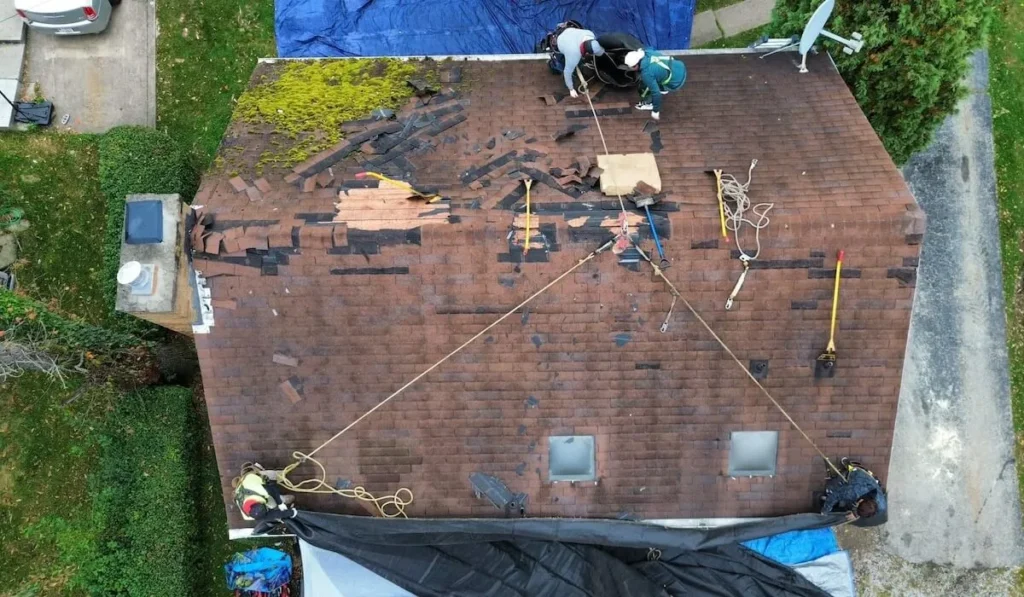
The most straightforward way to find out when a roof was installed is through your local building department. Most municipalities require permits for roofing work. These permits create a paper trail that includes the date the project was completed and often the name of the contractor who performed the work.
Start by contacting your city or county building department. You can typically search by your property address. Many jurisdictions now offer online permit databases, making this process even simpler. The permit records will show not just the installation date but also confirm that the work passed inspection.
How to Find Records of Roof Replacement
If permits do not yield results, dig into your homeowner documents. When you purchased your home, the closing paperwork likely included disclosures about major improvements. Sellers are generally required to disclose significant repairs, including roof work. Check your closing documents, home inspection report, and any seller disclosures.
Warranty documents are another goldmine. Roofing materials typically come with manufacturer warranties that clearly state the installation date. If the previous owner kept good records, you might find these in a home maintenance file. For a comprehensive look at roof replacement records, contact the roofing company that performed the original installation if you can identify them.
How to Find Out How Old a Roof Is
Sometimes records simply do not exist. In these cases, a professional roof inspection becomes invaluable. Experienced roofers can estimate a roof's age by examining specific wear indicators. They look at granule loss on shingles, the condition of flashing around vents and chimneys, and signs of weathering.
A qualified inspector can usually narrow down the installation timeframe to within a few years. This method also gives you insight into how much life your roof has left. If you are concerned about your roof's condition, check out this helpful guide on How to Know It is Time for a Roof Replacement in Pittsburgh for additional guidance.
How to Find Proof of Roof Replacement
Documentation matters, especially for insurance purposes. If you need official proof of roof age lookup, building permits serve as the gold standard. Insurance companies accept these as legitimate evidence because they include inspection dates and contractor information.
Contractor invoices and warranty cards also serve as proof. If you cannot locate these documents yourself, the roofing company may have records on file. Many contractors keep installation records for decades. A simple phone call could solve your documentation needs quickly.
Using Technology to Track Your Roof's History
Google Earth offers a surprisingly useful feature for homeowners investigating their roof's past. The historical imagery tool lets you view satellite photos of your property from different years. By scrolling through the timeline, you can often spot when a roof color changed, indicating a replacement.
This method works particularly well for drastic color changes. If your roof went from brown to gray shingles, the satellite images will show exactly when that transition occurred. While not as precise as permit records, this approach provides a solid estimate when other methods fail.
Asking Neighbors and Previous Owners
Never underestimate the value of neighborhood knowledge. Long-time neighbors often remember when major work happened on nearby homes. This is especially true in subdivisions where homes were built around the same time. If several neighbors had their roofs replaced together, someone likely remembers the approximate year.
Reaching out to the previous owner can also prove helpful. If you purchased your home recently, the seller or their real estate agent may have documentation or at least recall when the roof was installed. A quick email or phone call might provide exactly the information you need.
When Was My Roof Replaced? 5 Easy Ways to Find Out at a Glance
| Method | What You Will Find | Best For |
|---|---|---|
| Building Permits | Exact installation date, contractor info | Official documentation needs |
| Homeowner Records | Warranties, invoices, disclosures | Recent home purchases |
| Professional Inspection | Age estimate based on condition | When no records exist |
| Google Earth | Visual confirmation of replacement year | Approximate timeframes |
| Neighbors/Previous Owner | Firsthand knowledge of the work | Community-built homes |
What to Do Once You Know Your Roof's Age
Once you determine when your roof was replaced, use that information wisely. If your roof is approaching the 15 to 20 year mark, start budgeting for eventual replacement. Schedule regular inspections to catch small problems before they become expensive repairs.
Keep all documentation in a dedicated home maintenance file. This includes permits, warranties, inspection reports, and contractor contact information. Future buyers will appreciate this organization, and you will have everything ready if your insurance company ever asks. According to the National Roofing Contractors Association, regular maintenance can extend your roof's lifespan significantly.
Final Thoughts on Roof Age and Maintenance
Determining your roof's age does not have to be complicated. Start with permit records and homeowner documents. If those avenues come up empty, technology and professional inspections can fill in the gaps. The key is being proactive rather than waiting until a problem forces your hand.
Your roof protects your entire investment. Knowing its history empowers you to make informed decisions about maintenance, insurance, and future planning. Take the time to track down this information now. Your future self will thank you when the next big storm rolls through.