If you have ever tried to get homeowners insurance with a rolled roof, you know it can feel like an uphill battle. Insurers seem to have a particular aversion to this material. It is not personal. There are legitimate reasons why carriers view rolled roofing as a red flag, and understanding those reasons can help you make smarter decisions about your property.
Rolled roofing is one of the cheapest materials on the market, which makes it attractive for sheds, garages, and low slope additions. But that low price comes with trade offs. Insurance companies are in the business of assessing risk. When they see a material prone to frequent failure, they respond accordingly. We see the result on Pittsburgh homes every week: a rolled roof on a back porch or a flat rear addition, a renewal letter from the carrier, and a homeowner asking what to do next. In most of those cases the answer is a proper EPDM rubber roof, which is the low slope material insurers are used to seeing and underwriting.
Understanding Rolled Roofing and Its Common Applications
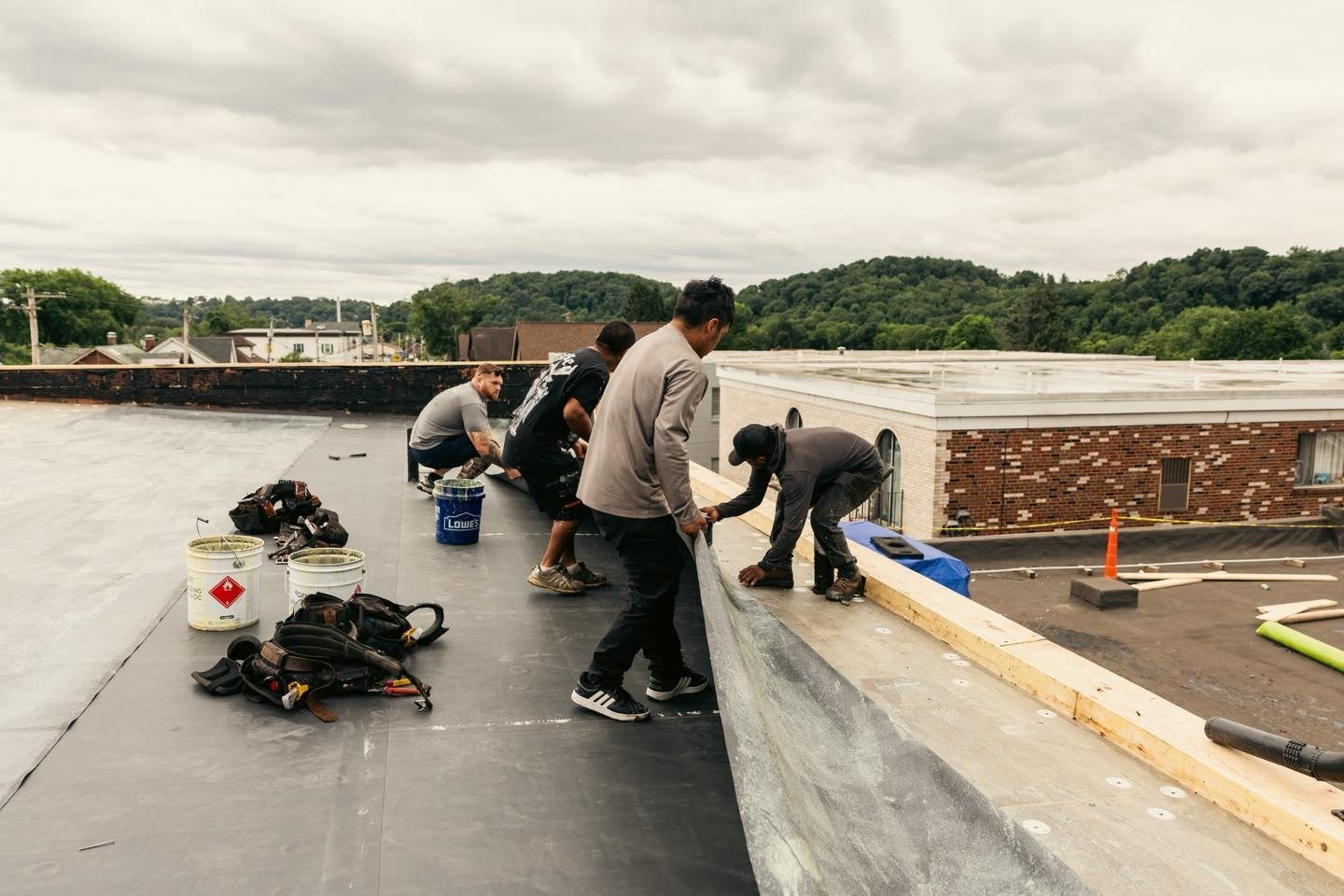
Rolled roofing consists of large rolls of asphalt based material, typically around 36 inches wide and 36 feet long. Installation is quick. You roll out the material and secure it with adhesive, torch heat, or nails, then lap the next course over the first. For budget conscious property owners, that simplicity is the main selling point.
The material works best on flat or low slope roofs, which is why you often see it on outbuildings, workshops, detached garages, and small commercial structures. Using rolled roofing on your primary residence raises eyebrows with insurers. They read it as a signal that the property owner prioritized cost over durability, and in older Pittsburgh neighborhoods it often marks a roof that was patched rather than replaced.
Why Do Insurance Companies Not Like Rolled Roofing on Residential Properties?
The core issue is risk. Insurance companies assess every component of your home, and the roof is one of the most critical. Rolled roofing presents several problems that make underwriters uncomfortable. The material is thin, it is prone to damage, and it has a short service life compared with every other roofing product a carrier is likely to encounter.
When insurers write a policy, they are essentially betting that your home will not require significant claims. A roof that might fail in five to eight years dramatically increases those odds. That is a gamble many carriers refuse to take, and the ones that do take it price it in.
The Short Rolled Roofing Lifespan Creates Coverage Challenges
One of the most significant factors is rolled roofing lifespan. Most manufacturers and roofers put it between five and ten years under ideal conditions. Compare that to asphalt shingles, which commonly last 20 to 30 years, or metal roofing, which often exceeds 50 years. A properly installed EPDM membrane on a flat roof is generally expected to last 20 to 30 years as well.
This shorter lifespan means more frequent replacements and more opportunities for claims. Insurers track these patterns closely. When they see a material that typically needs replacement within a decade, they factor that into their pricing and eligibility decisions.
Is a Roll Roof Hard to Insure?
In a word, yes. Many preferred insurance carriers will decline coverage outright for homes with rolled roofing. Others may offer policies with significant limitations, higher premiums, or increased deductibles. The disadvantages of rolled roofing make it a high risk proposition from an underwriting standpoint.
Some homeowners discover this the hard way. They purchase a property, apply for insurance, and receive a rejection notice citing the roofing material. Others have had policies cancelled at renewal when an inspector identified rolled roofing during a routine drive by or aerial review. Carriers now use aerial imagery regularly, so a rolled roof on a rear addition that cannot be seen from the street is no longer hidden.
What Are the Disadvantages of Roll Roofing?
Beyond the insurance implications, rolled roofing has several inherent weaknesses. Understanding these helps explain why insurance companies deny rolled roofing applications.
Vulnerability to Weather: The material is susceptible to damage from hail, high winds, and heavy rain. It cracks under the freeze and thaw swings a Pittsburgh winter delivers and degrades quickly under summer UV exposure. Western Pennsylvania can see dozens of freeze and thaw cycles in a single season, and each one works on the seams.
Installation Challenges: While rolled roofing is marketed as easy to install, improper work around vents, edges, chimneys, and seams creates leak points. Those defects often do not show up until water has already damaged the ceiling below.
Poor Drainage: Because rolled roofing is typically used on flat or low slope roofs, water ponding is a serious concern. Standing water accelerates material breakdown and increases the likelihood of leaks at the laps.
Limited Aesthetic Options: The material offers few color choices and lacks the dimensional appearance of other roofing products, which can affect property value.
Rolled Roofing Insurance Problems: A Closer Look at Claim Risks
Insurance companies are not being arbitrary when they express concerns about rolled roofing. The data supports their caution. According to Roofing Contractor magazine, roof losses have been climbing for several years and roof related claims now make up a large share of all residential claim value. Carriers have responded by tightening roof age limits and material requirements across the board.
Materials that fail quickly or sustain damage easily contribute disproportionately to those losses. When insurers analyze their loss ratios, rolled roofing stands out as a material associated with higher claim frequency. That drives their reluctance to provide coverage.
Is There a 25 Percent Rule in Pennsylvania?
Homeowners sometimes ask about the 25 percent rule. That rule comes from Florida building code, where repairing more than a quarter of a roof within a year can trigger a full replacement to current code. Pennsylvania has no equivalent statewide rule. Here, roofing falls under the Uniform Construction Code as adopted by each municipality, and most Allegheny County boroughs require a permit for a full replacement but not for a small repair.
What matters more for a Pittsburgh homeowner is the carrier's own threshold. Many insurers will not pay to patch a rolled roof that is already past its expected life, and some require a replacement with an approved material before they will renew. Ask your agent what your policy says about roof condition before you spend money on another patch.
Why Do Insurance Companies Not Insure Flat Roofs?
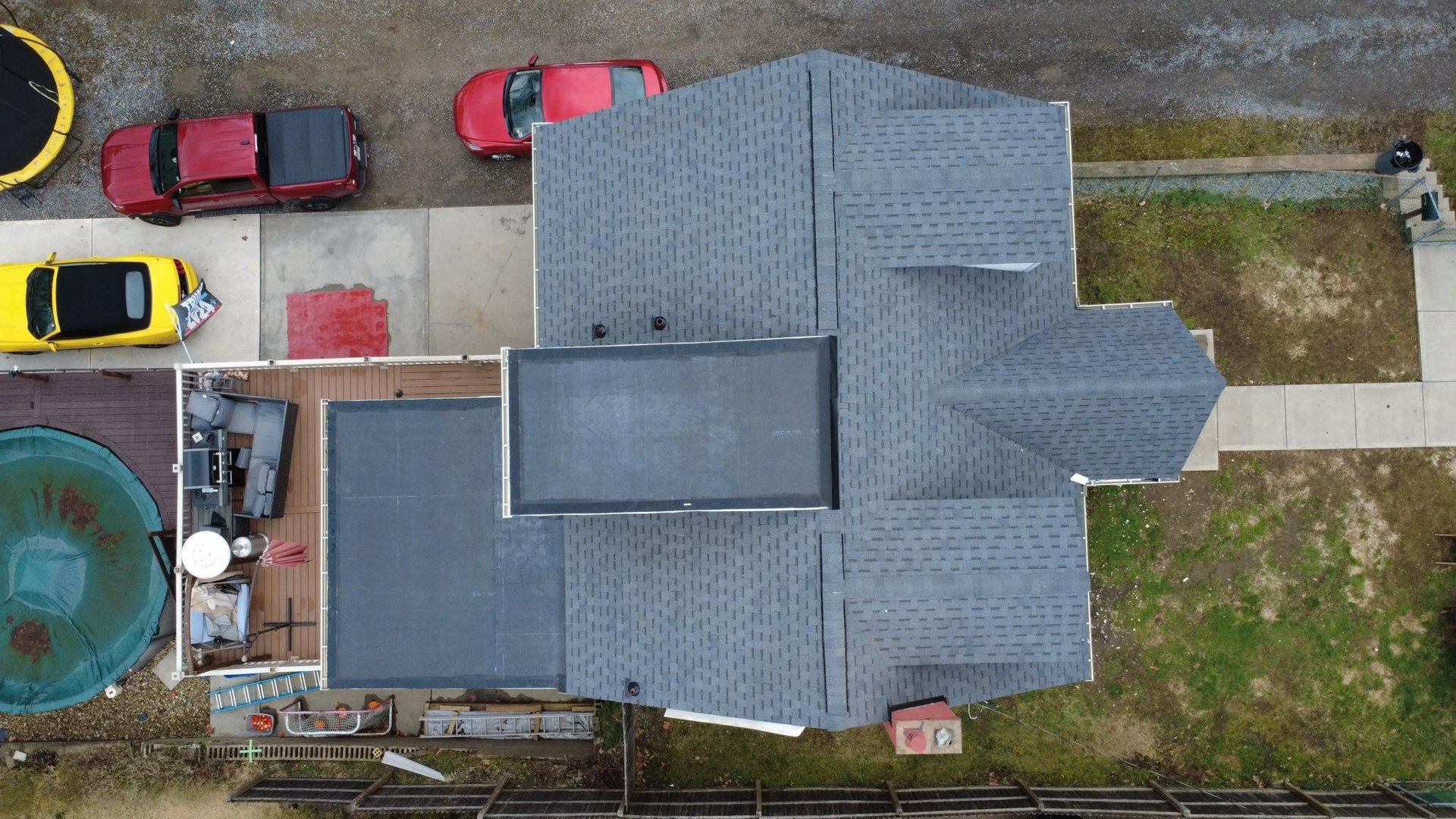
Rolled roofing problems intersect with broader concerns about flat and low slope roofs. These roof styles present their own challenges that make insurers cautious. Water drainage is the primary issue. Unlike pitched roofs that naturally shed rain and snowmelt, flat roofs can allow water to pool, increasing the risk of leaks and structural damage.
Flat roof membranes are also vulnerable to punctures from falling branches, foot traffic during maintenance, and hail. Some insurance companies cancel or restrict coverage on flat roofs after only ten years, whereas sloped roofs often remain insurable for 20 years or more. If your flat roof also uses rolled roofing, the challenges compound.
The good news is that a flat roof is not uninsurable. Carriers routinely write policies on homes with EPDM, TPO, or modified bitumen roofs that were installed by a licensed contractor and documented. The material and the paperwork are what move the needle.
How Roof Age Affects Your Insurance Options
Beyond the material itself, roof age plays a crucial role in insurance decisions. Many carriers have implemented stricter guidelines around roof condition and age. If you are wondering how old a roof may be before insurance claims it is too old, the answer varies by carrier and material type.
For rolled roofing, the timeline is particularly compressed. A ten year old rolled roof may be approaching the end of its useful life, while a ten year old asphalt shingle roof is still in its prime. Some insurers require inspections for roofs older than 15 years, and rolled roofs face scrutiny much sooner.
What You Can Do If You Have Rolled Roofing
If you currently have rolled roofing on your property or are considering a purchase, there are steps you can take. First, be proactive about documentation. Keep records of installation dates, repairs, and any inspection reports. That paperwork supports insurance applications and claims.
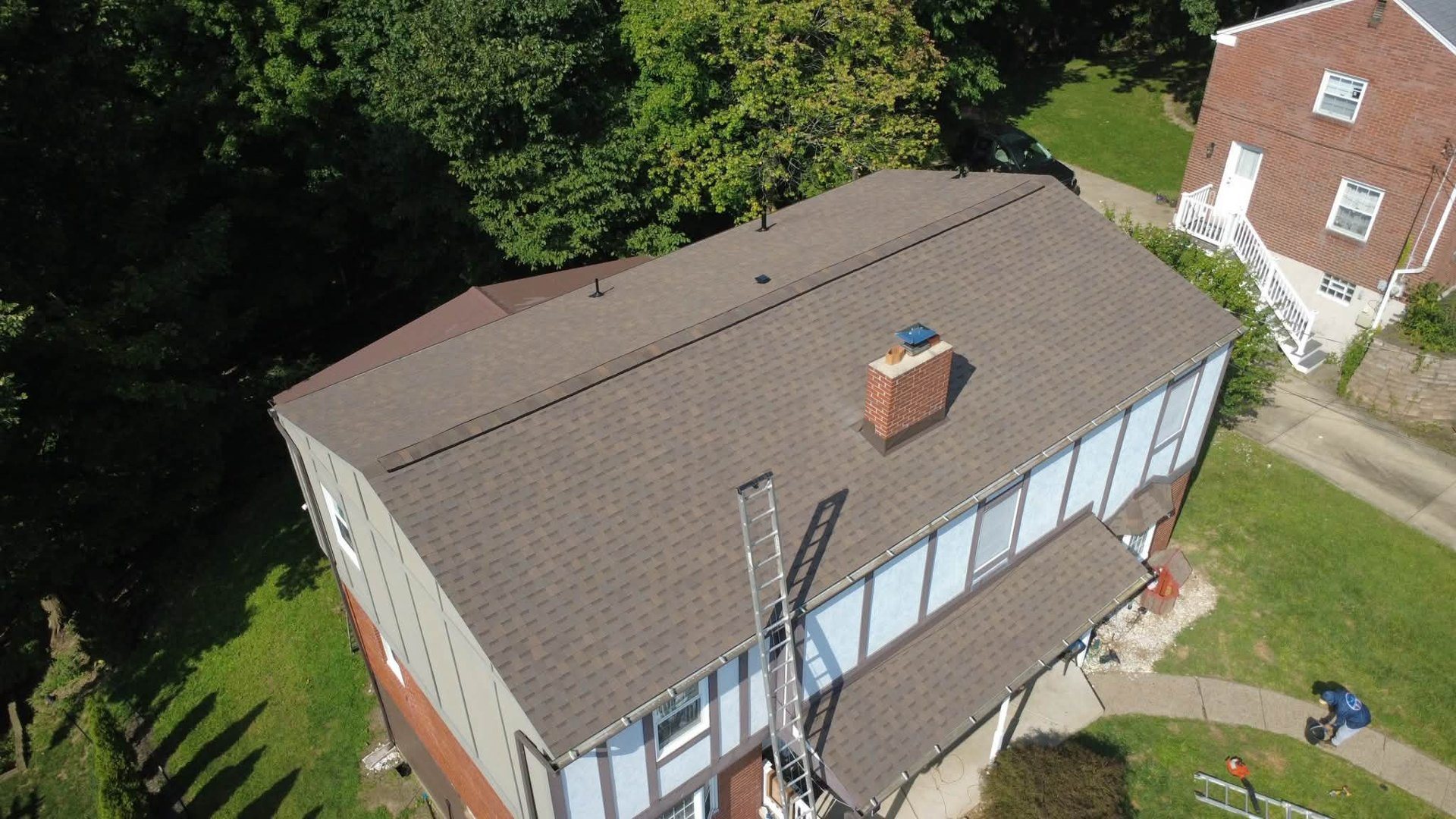
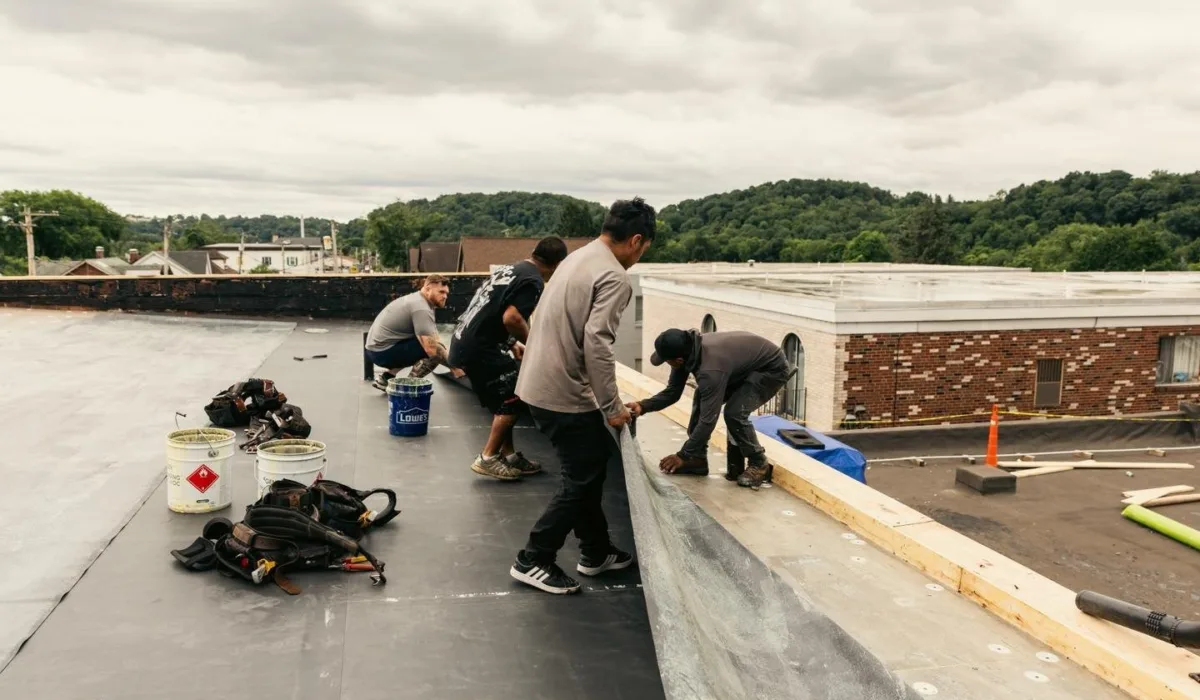
Second, consider upgrading to a more durable material. Modified bitumen, TPO, EPDM, or metal roofing offer significantly longer lifespans and better insurance prospects. On Pittsburgh homes we usually recommend a .060 EPDM membrane for flat porches and additions. We are MuleHide certified for EPDM and two ply low slope systems, and a documented installation from a licensed contractor is exactly what an underwriter wants to see. Most of the disadvantages of rolled roofing disappear once a real membrane is in place.
Third, shop around for insurance. Some carriers specialize in harder to insure properties or offer surplus lines coverage for non standard risks. An independent insurance agent can help you navigate those options while you plan the replacement.
Roofing Material Comparison for Insurance Purposes
| Material | Typical Lifespan | Insurance Difficulty | Best Use |
|---|---|---|---|
| Rolled Roofing | 5 to 10 years | High | Sheds and outbuildings |
| Asphalt Shingles | 20 to 30 years | Low | Sloped residential roofs |
| Metal Roofing | 40 to 70 years | Very Low | Sloped roofs, long term ownership |
| EPDM or TPO | 20 to 30 years | Moderate | Flat and low slope sections |
Rolled roofing is the cheapest of the four to buy, but the price of any roof depends on its size, pitch, the number of layers to tear off, flashing and decking condition, and the material you choose. We provide a free written estimate so you know the real number for your home before you decide.
Frequently Asked Questions
Will my insurance company drop me because of a rolled roof?
It can happen, most often at renewal after an inspection or aerial review. Carriers vary. Some add a surcharge or an exclusion for the roof, others decline to renew until the roof is replaced with an approved material.
Can I put EPDM over existing rolled roofing?
Sometimes, but we rarely recommend it. Rolled roofing traps moisture and hides rotten decking. On most Pittsburgh jobs we strip the old material, replace any bad plywood, and install the membrane on a clean deck so the warranty and the insurance paperwork are solid.
Does a new roof lower my premium?
A new roof usually improves your eligibility and often lowers the premium or the deductible, because the carrier's exposure drops. Send your agent the invoice and the warranty once the job is finished.
Is rolled roofing ever the right choice?
For a detached shed or a workshop that is not covered by your homeowners policy, it can be a reasonable short term choice. For anything attached to the house, a membrane or shingles are the better investment.
Making Informed Roofing Decisions
Your roof is one of your home's most important protective barriers. The material you choose affects everything from energy efficiency to resale value. Most importantly for this discussion, it affects your ability to secure and maintain adequate insurance coverage.
Rolled roofing might make sense for a detached shed where the stakes are low. For your primary residence, the insurance problems typically outweigh the initial savings. A somewhat larger investment in a real roofing system saves you headaches with carriers and gives your home better protection through Pittsburgh winters.
The bottom line is straightforward. Insurance companies dislike rolled roofing because their loss data tells them to. The material fails faster, sustains damage more easily, and leads to more claims. Understanding that reality helps you make better choices for your property and your financial protection.
If your carrier has flagged a rolled roof on your home, we can inspect it, explain your options, and put a written estimate in your hands for a replacement that insurers accept. Malick Brothers Exteriors is family owned, BBB A+ accredited, and based in the North Hills. Contact us to schedule your free inspection.