
Choosing a roof for your commercial building involves more than picking a durable material. The type of roof you install directly affects your insurance premiums, coverage options, and long-term costs. If you want to save money and protect your investment, understanding what type of commercial roof is best for insurance should be at the top of your list.
I have seen building owners overlook this connection far too often. They focus on upfront costs, then end up paying thousands more in premiums over the years. The right insurance-friendly roofing choice can reduce your annual costs significantly while providing superior protection.
What Type of Roof Do Commercial Insurance Carriers Prefer?
Insurance companies favor roofs that minimize their risk exposure. They want materials that resist damage from wind, hail, fire, and UV degradation. Metal roofing consistently ranks as the top choice among insurers because of its exceptional durability and fire resistance. A well-installed metal roof can last 40 to 70 years.
Beyond metal, carriers also look favorably on impact-rated roofing systems. These include Class 4 rated shingles designed to withstand severe hail impacts. The rating comes from Underwriters Laboratories, which tests materials by dropping steel balls from various heights. Class 4 represents the highest rating.
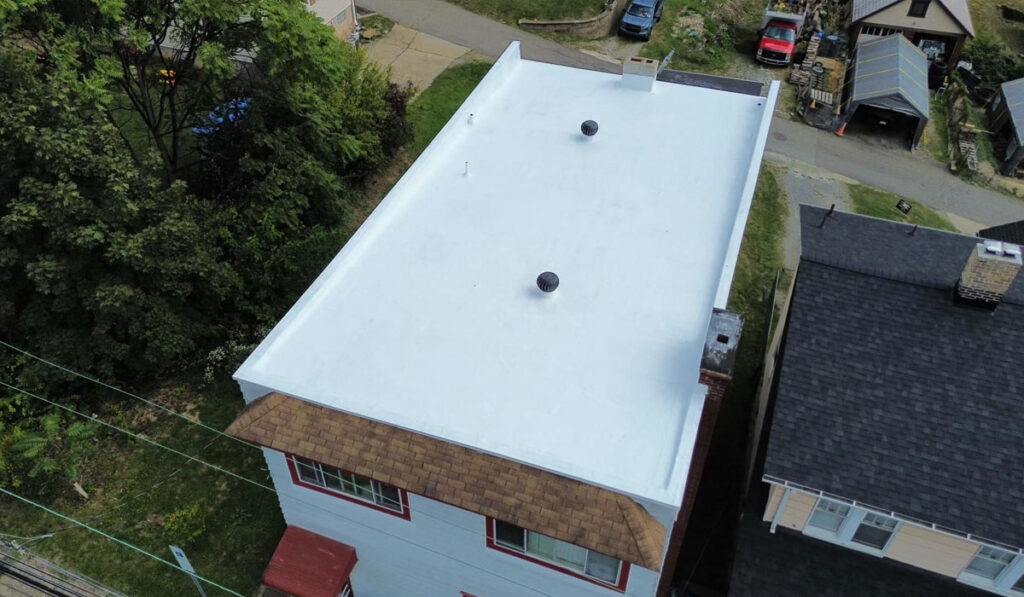
Single-ply membranes like TPO and PVC are also viewed positively when properly installed. Their reflective properties and chemical resistance make them reliable options for flat commercial roofs.
What Is the Best Roof for Insurance?
The best roof for insurance depends on your building type, location, and specific risk factors. Metal roofing and high-performance synthetic materials consistently earn the most favorable treatment. Metal roofs achieve Class A fire ratings, resist wind uplift, and rarely sustain serious hail damage.
For steep-slope commercial buildings, hail-resistant roofs using Class 4 impact-rated shingles offer excellent protection. These shingles cost more upfront but can save you 10% to 30% on annual premiums. Over a decade, those savings add up to thousands of dollars.
What Is the Most Common Commercial Roof Type?
Single-ply membrane roofing dominates the commercial market. TPO holds approximately 40% to 50% of the market share according to industry data. Its popularity stems from affordability, energy efficiency, and straightforward installation.
TPO comes in white, which reflects sunlight and reduces cooling costs. The seams are heat-welded together, creating a watertight bond. For building owners seeking commercial insurance roofing that satisfies carrier requirements, TPO offers a solid middle ground.
Understanding Insurance Ratings and Classifications
Insurance companies use several rating systems to evaluate roofs. Understanding these classifications helps you make smarter decisions.
| Rating Type | What It Measures | Best Rating |
|---|---|---|
| Impact Resistance (UL 2218) | Hail and debris resistance | Class 4 |
| Fire Resistance | Flame spread and combustion | Class A |
| Wind Uplift | Resistance to high winds | Varies by code |
Class 4 impact-resistant materials must survive two impacts from a 2-inch steel ball dropped from 20 feet without cracking. This Old House provides additional details on how impact-resistant roofing protects buildings and reduces insurance costs.
Fire ratings range from Class A to Class C. Metal roofs automatically achieve Class A ratings. In wildfire-prone areas, this rating becomes essential for obtaining coverage at reasonable rates.
What Makes a Roof Uninsurable?
Several factors can push a commercial roof into uninsurable territory. Age stands as the primary concern. Most insurers consider roofs over 20 years old as high-risk. This threshold exists because 20 years represents the average lifespan of standard roofing materials.
Poor maintenance creates another red flag. Visible damage like missing materials, ponding water, or sagging sections signals neglect. Insurers may refuse coverage entirely or exclude the roof from your policy.
Certain materials also face scrutiny. Wood shakes present fire risks unless treated with retardants. Flat roofs without proper drainage invite water damage concerns. Some carriers specifically exclude flat roofs from standard policies.

Factors That Affect Commercial Roof Insurance Premiums
Your premium involves multiple variables beyond roofing material. Geographic location plays a major role. Buildings in hail-prone regions like Texas and Oklahoma face higher base rates. Hurricane zones carry elevated premiums as well.
The age and condition of your roof directly impact costs. A newer roof in excellent condition qualifies for lower rates. Some insurers require inspections for buildings with roofs over 15 years old.
Roof design matters too. Hip roofs resist wind better than gable roofs. Flat roofs often cost more to insure due to water infiltration risks.
How Commercial Roof Type Impacts Long-Term Value
The relationship between roofing and insurance extends beyond premium savings. A quality roof protects your entire building investment. Water intrusion damages interiors, inventory, and structural components. These secondary losses often exceed roof replacement costs.
For a deeper comparison of material options, I recommend reading Which Commercial Roofing Materials Offer the Best Long-Term Value? to understand how different systems perform over their lifespans.
Metal Roofing: The Insurance Favorite
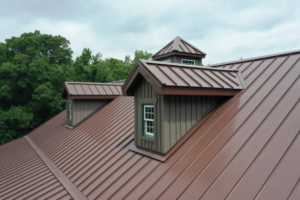
Metal roofing earns top marks from insurers across nearly every category. Standing seam metal systems provide superior wind resistance. The interlocking panels create a continuous barrier that remains intact during severe storms.
Fire resistance represents another major advantage. Metal does not ignite or spread flames. This can qualify buildings for significant premium reductions.
The longevity of metal also appeals to carriers. A roof lasting 50 years presents fewer claim opportunities than one requiring replacement every two decades. Insurers reward this reduced risk with lower rates.
Taking Action: Optimizing Your Roof for Insurance
If you currently own a commercial building, several steps can improve your insurance position. Start with a professional inspection to document conditions. This establishes a baseline and identifies issues needing attention.
Implement regular maintenance programs. Clean drainage systems, repair minor damage promptly, and keep documentation. This history demonstrates responsible ownership to insurers.
When replacement becomes necessary, consider upgrading to better-rated materials. Investing in Class 4 impact-resistant products or insurance-friendly roofing costs more initially but generates ongoing savings. Calculate total ownership costs over 20 to 30 years rather than focusing solely on installation price.
Finally, communicate with your insurance provider before making roofing decisions. Ask specifically what type of commercial roof is best for insurance under your policy. Some carriers offer defined programs with guaranteed discounts. Getting this information in advance ensures you maximize your investment.